


GREAT TIT
Parus major
DESCRIPTION
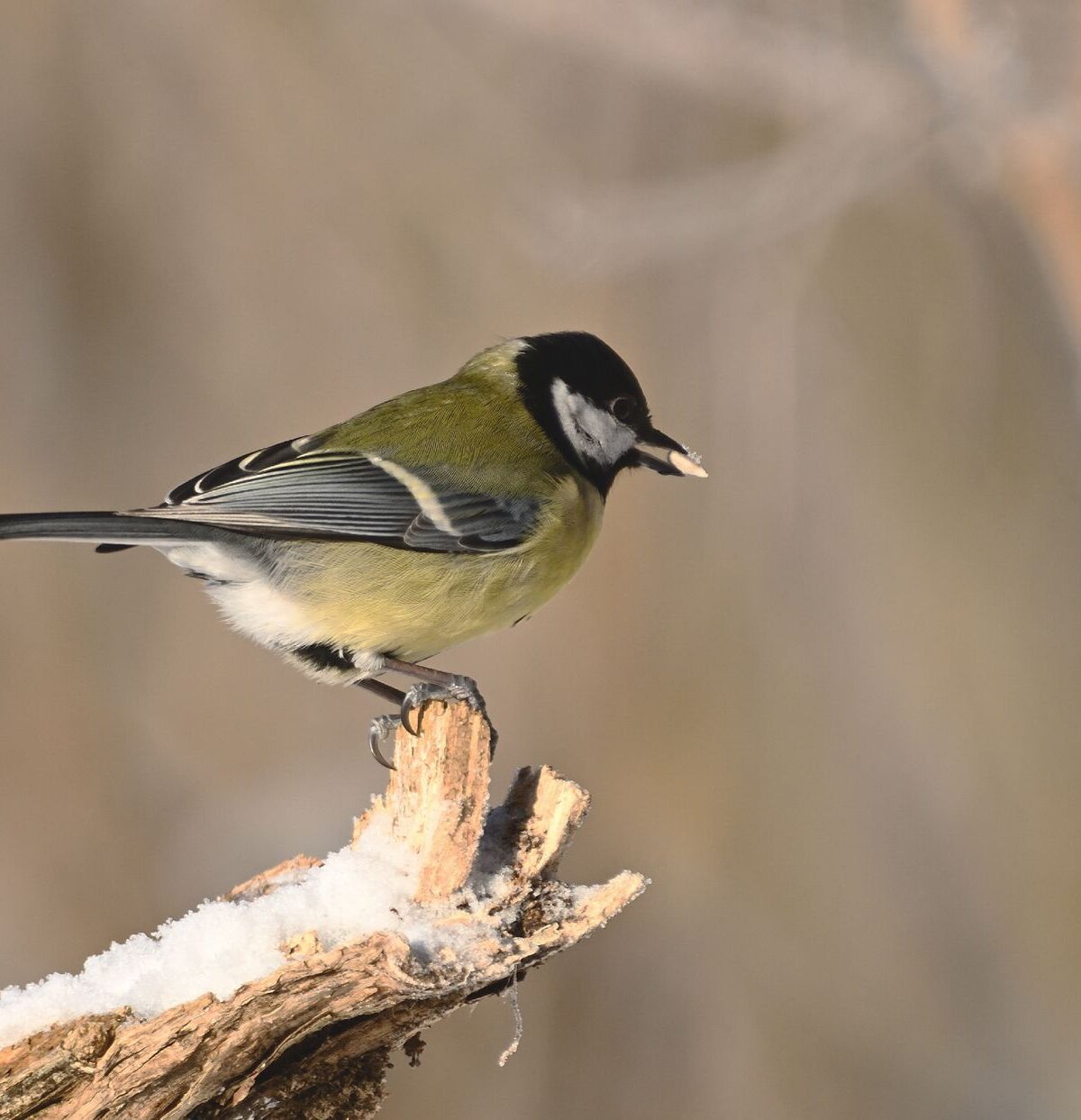
Great Tit (Parus major) is a widely recognized bird species known for its striking appearance and vocal abilities. It features a distinctive black cap, bright yellow underparts, and a greenish back, making it easily identifiable in various habitats. This adaptable bird exhibits a range of behaviors, including foraging for food in trees and shrubs, and is known for its complex songs and calls, which play a crucial role in communication and territory establishment.
FUN FACTS
- Great Tits are known for their impressive problem-solving skills, often using tools to access food
- They have been observed using twigs to extract insects from tree bark, showcasing their intelligence and adaptability.|These birds are also remarkable mimics, capable of imitating the calls of other bird species and even mechanical sounds
- This ability helps them communicate effectively and may play a role in attracting mates
QUICK INFO
Lifespan2-3 years in the wild, up to 13 years in captivity
Average Weight14-21 g
Average Length12-14 cm
Diet TypeOmnivore
Social Structurepair, often seen in small groups during foraging
Activity PatternDiurnal
Breeding SeasonSpring (April-June)
- Habitat
- Great Tits inhabit a variety of environments, including woodlands, parks, and gardens. They prefer areas with ample tree cover and are often found near human settlements.
- Biomes
- Temperate Forest, Urban
- Native Range
- Great Tits are native to Europe and parts of Asia, extending from the British Isles to the Himalayas.
- Continent
- Europe, Asia
- Countries
- United Kingdom, France, Germany, Italy, Russia
- Diet
- Great Tits primarily feed on insects, seeds, and nuts, showcasing their omnivorous diet. They are particularly fond of caterpillars and other small invertebrates during the breeding season.
- Diet Type
- Omnivore
- Favorite Food
- insects, seeds, nuts
- Social Structure
- pair, often seen in small groups during foraging
- Activity Pattern
- Diurnal
- Group Size
- 2-10
- Territorial
- 1
 LC
LC
 LC
LC
 LC
LC
14-21 g
Weight
12-14 cm
Length
- Coloration
- black cap, yellow underparts, greenish back
- Sexual Dimorphism
- males are generally larger and more vibrant than females
- Lifespan
- 2-3 years in the wild, up to 13 years in captivity
- Offspring per Birth
- 5-12
- Sexual Maturity
- 1 year
- Breeding Season
- Spring (April-June)
LC
Least Concern
IUCN Red List Status
- Population Status
- The Great Tit population is currently stable and widespread across its range.
- Wild Population Estimate
- millions
- Population Trend
- Stable
- Endangered
- 0
- Threats
- Main threats include habitat loss and changes in agricultural practices. However, they are generally adaptable and can thrive in urban environments.
- Predators
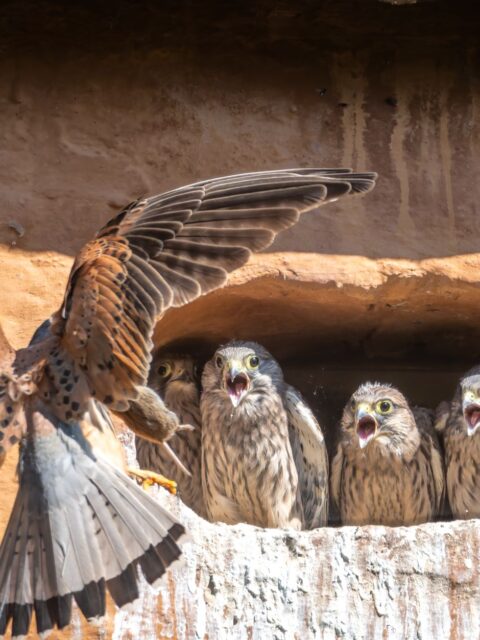
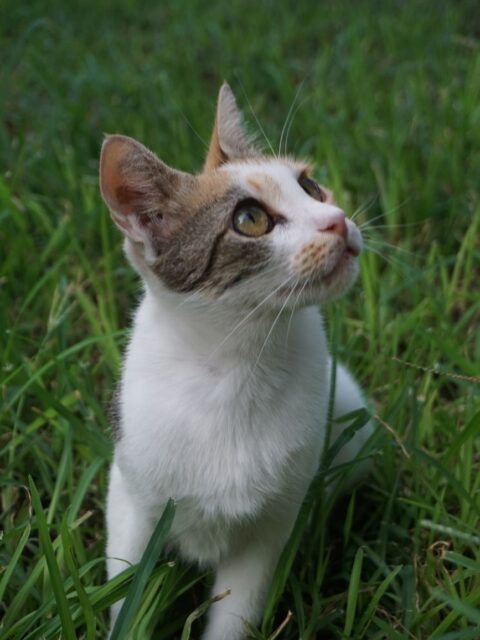
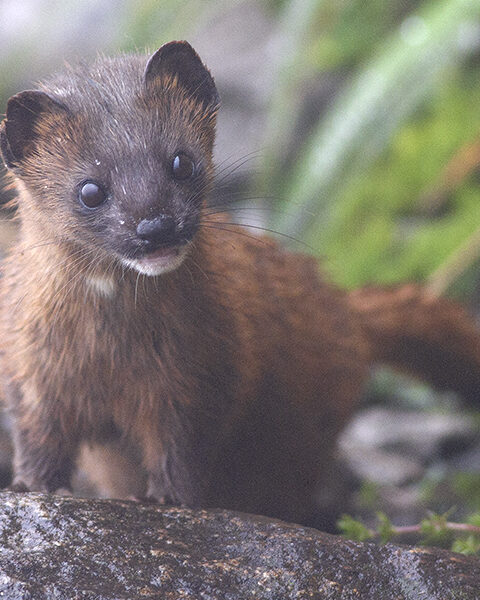
- sparrowhawks, domestic cats, weasels, and various raptors
- Defense Mechanisms
- Great Tits use alarm calls to warn others of predators and can also engage in mobbing behavior to deter threats.
- Compatible Animals
- other small birds like finches and sparrows
- Found in Zoos
- Common