


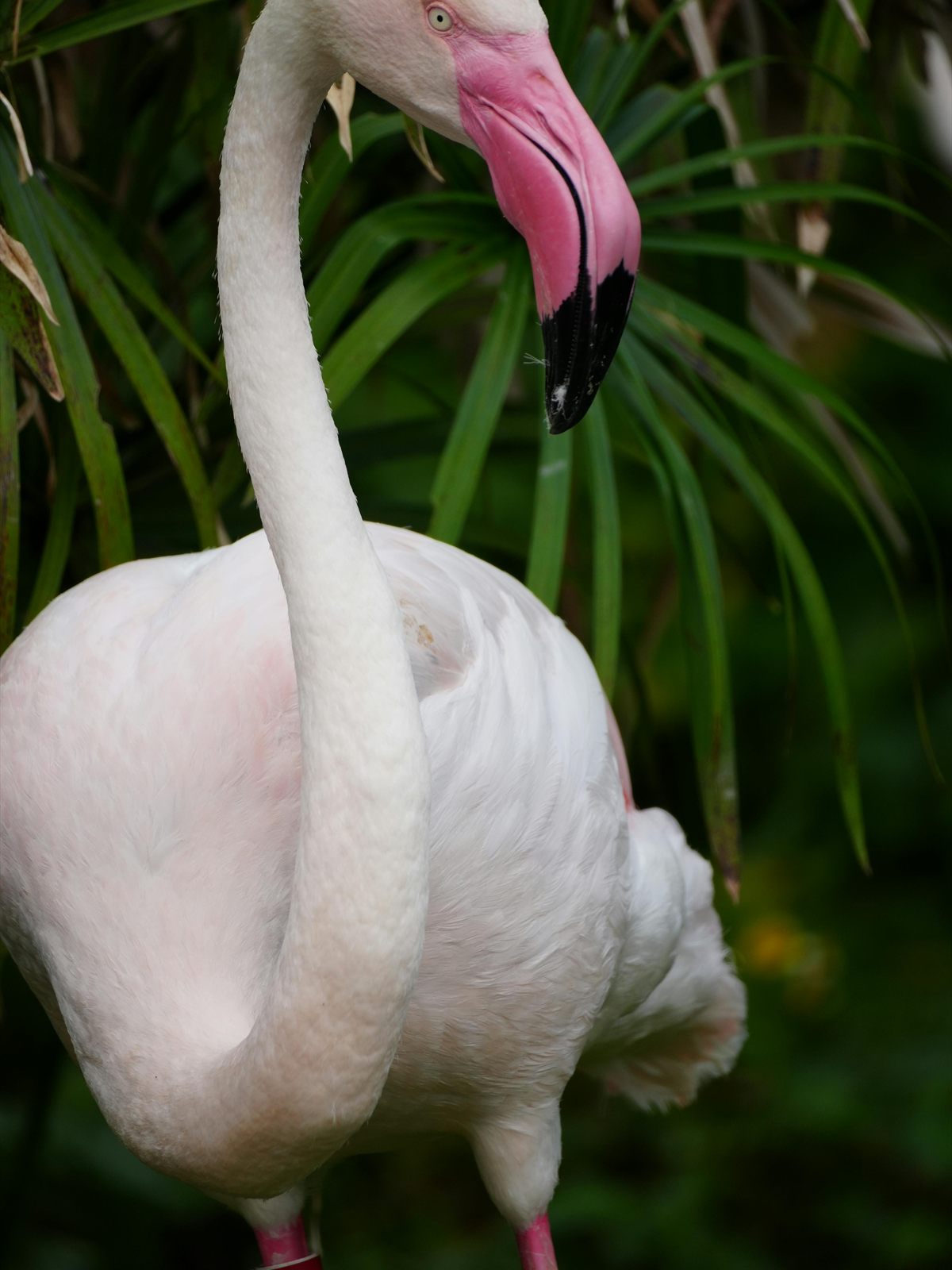
GREATER FLAMINGO
Phoenicopterus roseus
DESCRIPTION
The Greater Flamingo is the largest species of flamingo, known for its striking pink plumage and long legs. They are social birds that often gather in large colonies, creating a stunning spectacle in their natural habitats.
FUN FACTS
- Greater Flamingos can filter up to 20 gallons of water a day for food | Their pink coloration comes from carotenoid pigments in their diet | They can stand on one leg for extended periods, which helps conserve body heat
QUICK INFO
Lifespan20-30 years in the wild, up to 50 in captivity
Average Weight3-4 kg
Average Length1.2-1.5 m
Diet TypeOmnivore
Social StructureThey are typically found in large groups, which can number in the thousands, providing safety in numbers.
Activity PatternDiurnal
Breeding SeasonSpring to early summer
- Habitat
- They inhabit shallow lakes, lagoons, and estuaries, often in saline or alkaline environments. These habitats provide the necessary food sources and nesting sites for the species.
- Biomes
- Wetlands, Coastal
- Native Range
- Found across parts of Africa, southern Europe, and South Asia.
- Continent
- Africa, Europe, Asia
- Countries
- Spain, India, Kenya, Tanzania, Greece
- Diet
- Greater Flamingos primarily feed on algae, crustaceans, and small invertebrates found in shallow waters. Their unique feeding technique involves filtering food from the water using their specialized beaks.
- Diet Type
- Omnivore
- Favorite Food
- algae, crustaceans
- Social Structure
- They are typically found in large groups, which can number in the thousands, providing safety in numbers.
- Activity Pattern
- Diurnal
- Group Size
- 50-1000
- Territorial
- 0
 LC
LC

3-4 kg
Weight
1.2-1.5 m
Length
- Coloration
- Pale pink to bright pink feathers with long necks and legs.
- Sexual Dimorphism
- Males are generally larger than females.
- Lifespan
- 20-30 years in the wild, up to 50 in captivity
- Offspring per Birth
- 1
- Sexual Maturity
- 3-5 years
- Breeding Season
- Spring to early summer
LC
Least Concern
IUCN Red List Status
- Population Status
- The population is currently stable, but local declines have been noted in some areas.
- Wild Population Estimate
- 1,000,000+
- Population Trend
- Stable
- Endangered
- 0
- Threats
- Main threats include habitat loss due to human encroachment and pollution. Climate change also poses a risk to their breeding sites.
- Predators
- Eggs and chicks are vulnerable to predation by birds of prey and mammals.
- Defense Mechanisms
- They rely on their large group size for protection and can also use their long legs to escape quickly.
- Compatible Animals
- Other waterfowl, such as ducks and geese
- Found in Zoos
- Common