


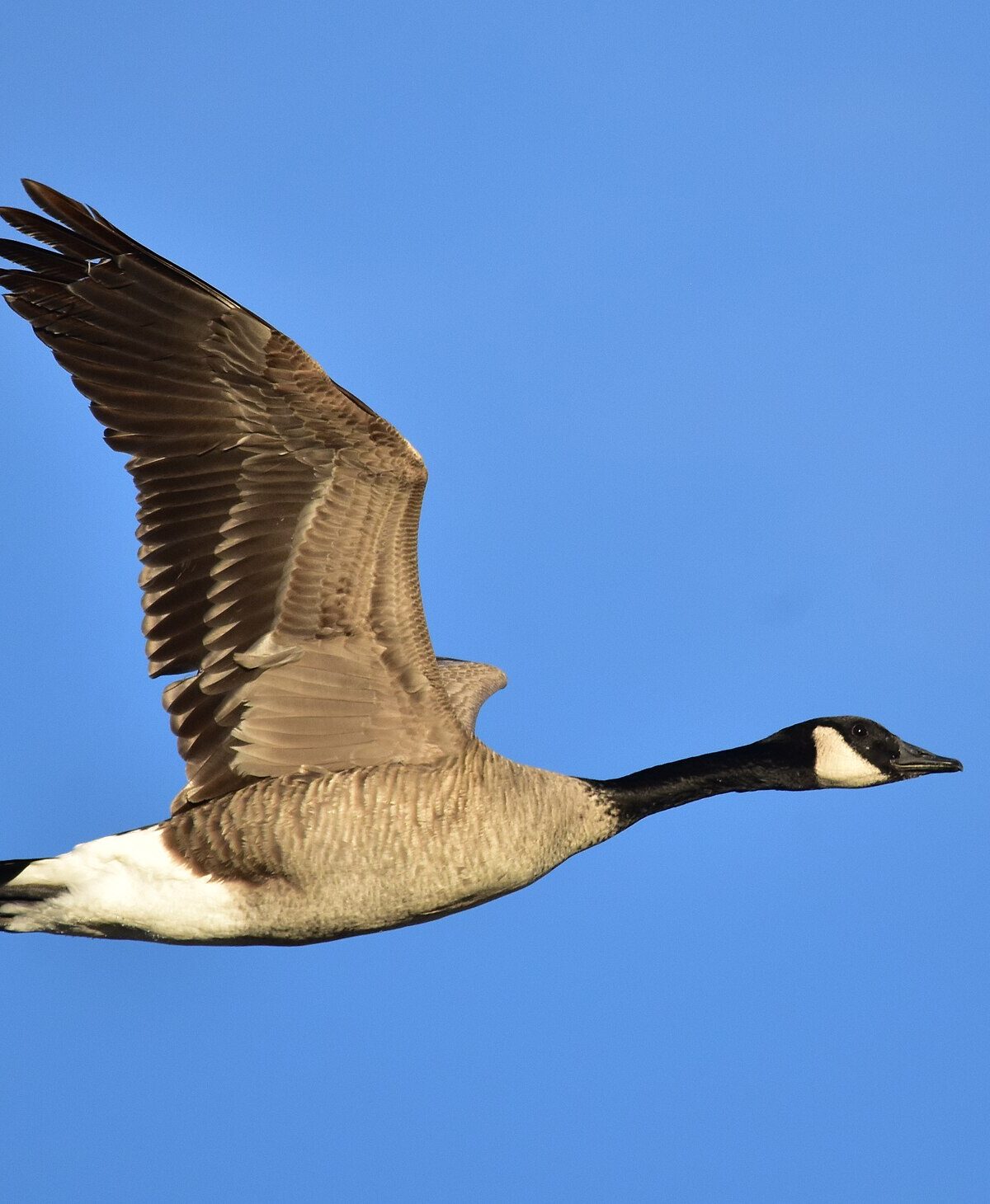
GREATER GOOSE
DESCRIPTION
Greater Goose is a large waterfowl known for its robust body and long neck. It typically exhibits a grayish-brown plumage with a lighter head and neck, making it easily recognizable among other geese. These birds are social and often found in flocks, displaying strong migratory behavior during seasonal changes.
FUN FACTS
- Greater Goose is known for its impressive migratory journeys, often traveling thousands of kilometers between breeding and wintering grounds
- They are also highly social animals, often seen engaging in synchronized movements and vocalizations while in flocks
QUICK INFO
Lifespan10-15 years in the wild, up to 20 years in captivi
Average Weight3-5 kg
Average Length75-90 cm
Diet TypeHerbivore
Social StructureThey are typically found in groups, often forming large flocks during migration and foraging.
Activity PatternDiurnal
Breeding SeasonSpring (March-May)
- Habitat
- Greater Goose inhabits wetlands, lakes, and riverbanks, often favoring areas with abundant vegetation. They are also commonly found in agricultural fields during foraging.
- Biomes
- Wetlands, Grasslands
- Native Range
- The Greater Goose is native to parts of Europe and Asia, with migratory populations traveling to various regions during the breeding season.
- Continent
- Europe, Asia
- Countries
- United Kingdom, Germany, Russia, China
- Diet
- Greater Goose primarily feeds on grasses, grains, and aquatic plants, foraging in fields and wetlands. They are known to graze extensively in agricultural areas, which can sometimes lead to conflicts with farmers.
- Diet Type
- Herbivore
- Favorite Food
- grasses, grains, aquatic plants
- Social Structure
- They are typically found in groups, often forming large flocks during migration and foraging.
- Activity Pattern
- Diurnal
- Group Size
- 20-100
- Territorial
- 0

 LC
LC
3-5 kg
Weight
75-90 cm
Length
- Coloration
- Grayish-brown with a lighter head and neck
- Sexual Dimorphism
- Males and females are similar in appearance, with slight size differences.
- Lifespan
- 10-15 years in the wild, up to 20 years in captivi
- Offspring per Birth
- 3-8
- Sexual Maturity
- 2-3 years
- Breeding Season
- Spring (March-May)
LC
Least Concern
IUCN Red List Status
- Population Status
- The population of Greater Goose is currently stable, with some local fluctuations due to habitat changes.
- Wild Population Estimate
- 50,000-100,000
- Population Trend
- Stable
- Endangered
- 0
- Threats
- Main threats include habitat loss due to agricultural expansion and wetland drainage. Additionally, hunting and climate change can impact their migratory patterns and breeding success.
- Conservation Program
- Various local conservation efforts are in place to protect wetland habitats.
- Predators
- Foxes, eagles, and large birds of prey are known to prey on Greater Goose, especially the young and vulnerable individuals.
- Defense Mechanisms
- They often rely on their strong flight capabilities to escape predators and can also exhibit aggressive behavior when threatened.
- Found in Zoos
- Uncommon