



GREATER MARA
DESCRIPTION
The Greater Mara, also known as the Mara or the Mara deer, is a large species of deer characterized by its impressive antlers and robust body. Males typically have larger antlers that can span up to a meter in width, while females are smaller and lack antlers. These deer are known for their social behavior, often forming herds that graze together in open grasslands and savannas.
FUN FACTS
- The Greater Mara is known for its impressive migration patterns, often moving in search of food and water during the dry season
- This migration can involve thousands of individuals, showcasing their adaptability to changing environments
- | Interestingly, the Greater Mara has a unique social structure where females often lead the herd, demonstrating a matriarchal system
- This behavior is crucial for the survival of the group, as experienced females can better navigate threats and find resources
QUICK INFO
Lifespan10-15 years in the wild, up to 20 in captivity
Average Weight90-150 kg
Average Length1.5-2.0 m
Diet TypeHerbivore
Social Structuregroup — they often live in herds that provide safety in numbers.
Activity PatternDiurnal
Breeding SeasonYear-round, with peaks during the rainy season
- Habitat
- The Greater Mara inhabits open grasslands and savannas, where they can easily find food and evade predators. They prefer areas with abundant vegetation and access to water sources.
- Biomes
- Savanna, Grassland
- Native Range
- The Greater Mara is native to the eastern regions of Africa, particularly in Kenya and Tanzania.
- Continent
- Africa
- Countries
- Kenya, Tanzania
- Diet
- The Greater Mara primarily feeds on grasses, leaves, and shrubs. They are known to graze in the early morning and late afternoon, taking advantage of cooler temperatures.
- Diet Type
- Herbivore
- Favorite Food
- grasses, leaves
- Social Structure
- group — they often live in herds that provide safety in numbers.
- Activity Pattern
- Diurnal
- Group Size
- 10-30
- Territorial
- 0
 LC
LC
 VU
VU
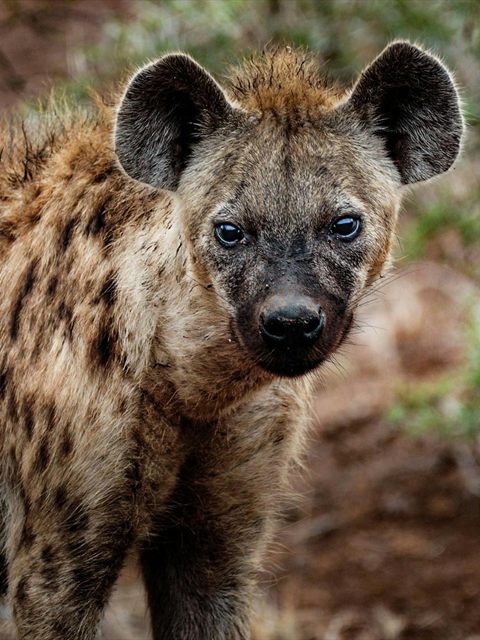 LC
LC
90-150 kg
Weight
1.5-2.0 m
Length
1.0 m at shoulder
Height (Shoulder)
- Coloration
- They have a reddish-brown coat with lighter underparts and distinctive white markings on their face and legs.
- Sexual Dimorphism
- Males are larger and have antlers, while females are smaller and antlerless.
- Lifespan
- 10-15 years in the wild, up to 20 in captivity
- Gestation Period
- 210 days
- Offspring per Birth
- 1
- Sexual Maturity
- 1-2 years
- Breeding Season
- Year-round, with peaks during the rainy season
LC
Least Concern
IUCN Red List Status
- Population Status
- The population of Greater Maras is currently stable, but they face threats from habitat loss.
- Wild Population Estimate
- 50,000-70,000
- Population Trend
- Stable
- Endangered
- 0
- Threats
- Main threats include habitat destruction due to agriculture and poaching. Additionally, competition with livestock can impact their populations.
- Predators
- Lions, leopards, hyenas, and crocodiles are known predators of the Greater Mara.
- Defense Mechanisms
- They rely on their speed and agility to escape predators, often fleeing in groups to confuse attackers.
- Compatible Animals
- Zebras, wildebeests, gazelles
- Found in Zoos
- Uncommon