


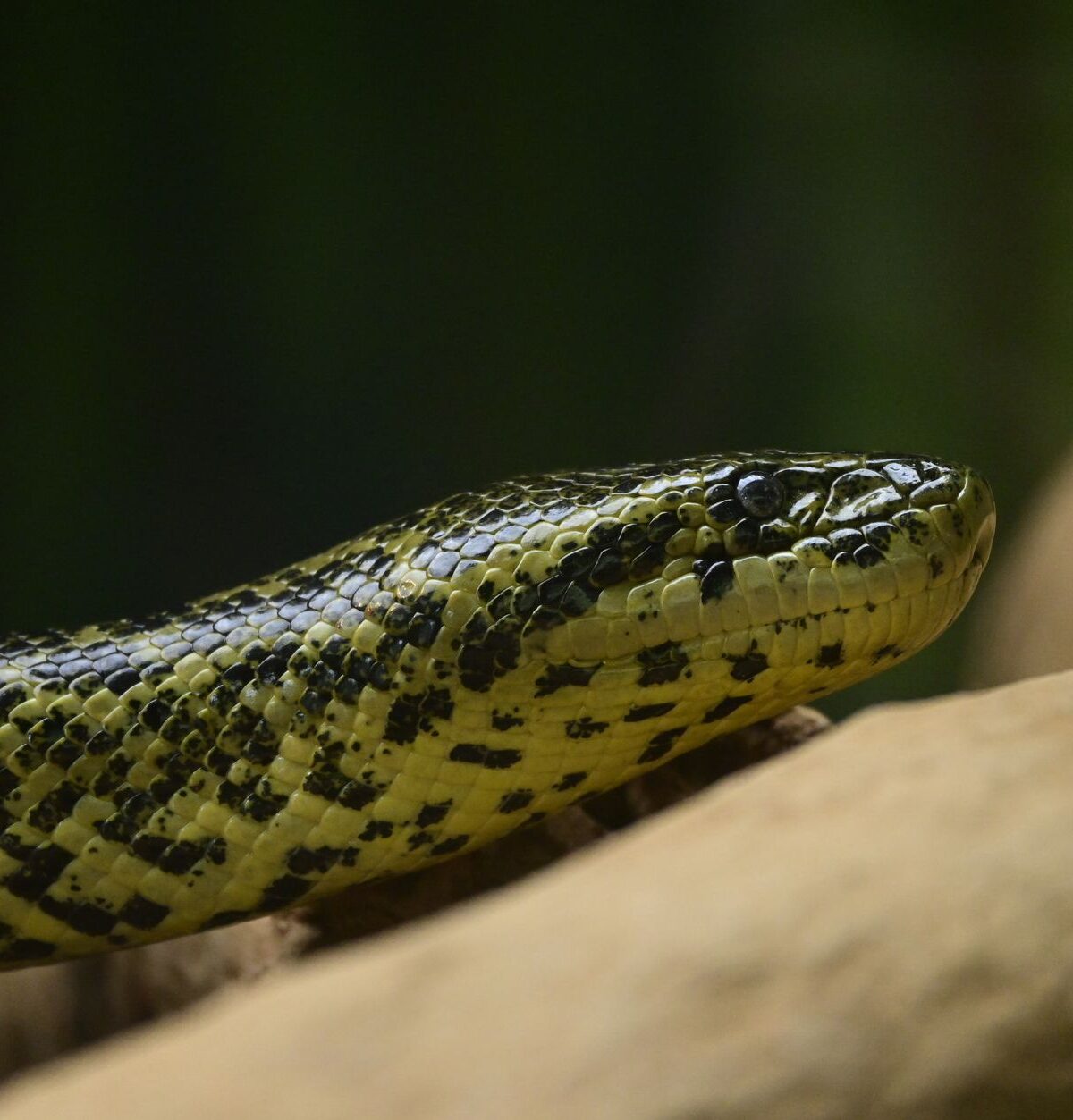
GREEN ANACONDA
DESCRIPTION
Also called Water Boa and Giant Anaconda, the Green Anaconda is one of the largest and heaviest snakes in the world. It has a robust body with a distinctive pattern of dark green and black markings, which provides excellent camouflage in its aquatic habitat. This semi-aquatic snake is known for its powerful constriction abilities and is primarily found in swamps, marshes, and slow-moving streams in South America.
FUN FACTS
- Green Anacondas are known for their incredible size, with some individuals reaching lengths of over 9 meters, making them the heaviest snakes in the world
- They are also capable of consuming prey much larger than themselves, thanks to their highly flexible jaws, which can stretch to accommodate large meals.| Despite their size, Green Anacondas are often elusive and spend much of their time submerged in water, making them difficult to spot in the wild
- They are also known to be strong swimmers, using their muscular bodies to propel themselves through the water with ease
QUICK INFO
Lifespan10-15 years in the wild, up to 30 years in captivi
Average Weight150-250 kg
Average Length4.5-5.5 m
Diet TypeCarnivore
Social Structuresolitary
Activity PatternNocturnal
Breeding SeasonSpring (March-May)
- Habitat
- Green Anacondas inhabit tropical rainforests, swamps, and wetlands, often found in or near water bodies. They prefer slow-moving waters where they can easily hunt and hide.
- Biomes
- Tropical Rainforest, Wetlands
- Native Range
- The native range of the Green Anaconda includes the Amazon Basin and surrounding areas in South America.
- Continent
- South America
- Countries
- Brazil, Colombia, Venezuela, Peru, Ecuador
- Diet
- Green Anacondas are carnivorous and primarily feed on a variety of prey, including fish, birds, mammals, and even other reptiles. They are known to consume large animals, such as capybaras and deer, by ambushing them in the water.
- Diet Type
- Carnivore
- Favorite Food
- Capybara, deer, fish
- Social Structure
- solitary
- Activity Pattern
- Nocturnal
- Group Size
- 1
- Territorial
- 0
 NT
NT
 LC
LC
150-250 kg
Weight
4.5-5.5 m
Length
- Coloration
- Dark green with black or brown splotches
- Sexual Dimorphism
- Females are generally larger than males.
- Lifespan
- 10-15 years in the wild, up to 30 years in captivi
- Gestation Period
- 6 months
- Offspring per Birth
- 20-40
- Sexual Maturity
- 3-4 years
- Breeding Season
- Spring (March-May)
LC
Least Concern
IUCN Red List Status
- Population Status
- The population of Green Anacondas is currently stable, but they face threats from habitat destruction and hunting.
- Wild Population Estimate
- Unknown
- Population Trend
- Stable
- Endangered
- 0
- Threats
- Main threats include habitat loss due to deforestation and hunting for their skin. Additionally, they are sometimes killed by humans out of fear or misunderstanding.
- Predators
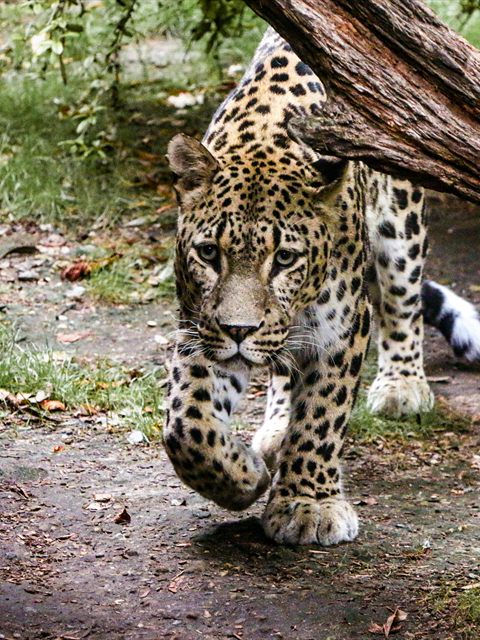
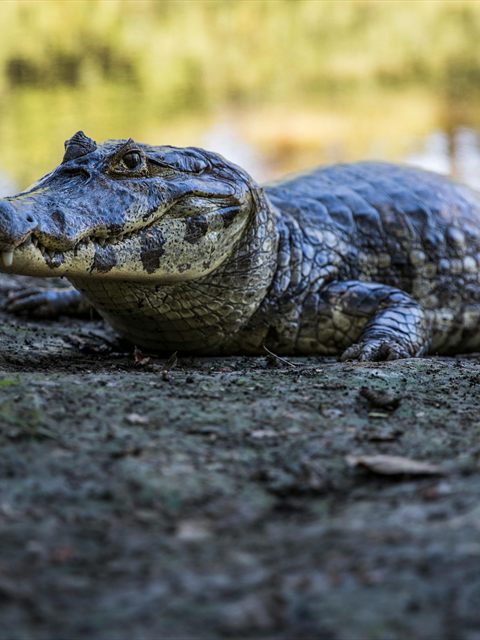
- Jaguar, caiman, and large birds of prey are known to prey on juvenile Green Anacondas.
- Defense Mechanisms
- Green Anacondas rely on their camouflage to avoid detection and can also submerge themselves in water to escape threats.
- Found in Zoos
- Common