



GREEN HERON
Butorides virescens
DESCRIPTION
The Green Heron is a small, stocky wading bird characterized by its short neck and long legs. It has a distinctive plumage with a dark greenish-black cap, a chestnut-colored neck, and a grayish body. This species is known for its stealthy hunting techniques, often seen standing motionless at the water's edge or stalking prey with slow, deliberate movements.
FUN FACTS
- Green Herons are known for their unique hunting technique of using bait, such as bread or insects, to attract fish
- This behavior showcases their intelligence and adaptability in foraging strategies
- | They have a distinctive call that sounds like a harsh 'skeow,' which is often heard during the breeding season
- This vocalization plays a crucial role in establishing territory and attracting mates
QUICK INFO
Lifespan5-10 years in the wild
Average Weight200-300 g
Average Length56-61 cm
Diet TypePiscivore
Social Structuresolitary, pairs during breeding season
Activity PatternDiurnal
Breeding SeasonSpring to early summer
- Habitat
- Green Herons inhabit freshwater wetlands, marshes, and the edges of lakes and rivers. They prefer areas with dense vegetation for cover and nesting.
- Biomes
- Wetlands, Freshwater, Temperate Forest
- Native Range
- The Green Heron is found throughout North America, from southern Canada to the northern parts of South America.
- Continent
- North America, South America
- Countries
- United States, Canada, Mexico, Colombia, Venezuela
- Diet
- The Green Heron primarily feeds on fish, amphibians, and invertebrates. It employs a unique hunting strategy, sometimes using tools like bait to lure fish.
- Diet Type
- Piscivore
- Favorite Food
- small fish, frogs, and crustaceans
- Social Structure
- solitary, pairs during breeding season
- Activity Pattern
- Diurnal
- Group Size
- 1-5
- Territorial
- 1
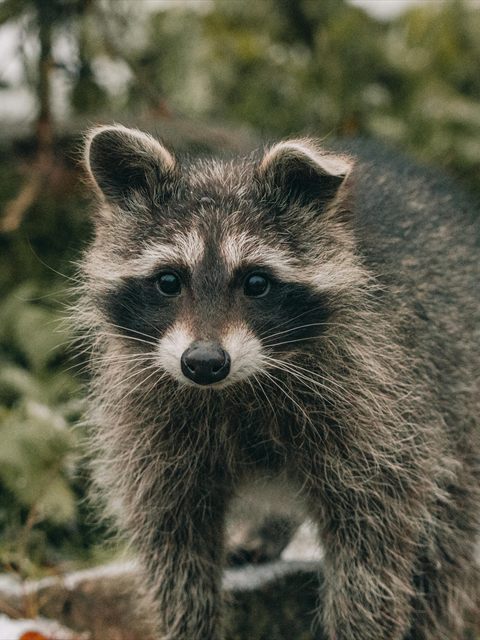 LC
LC
 LC
LC
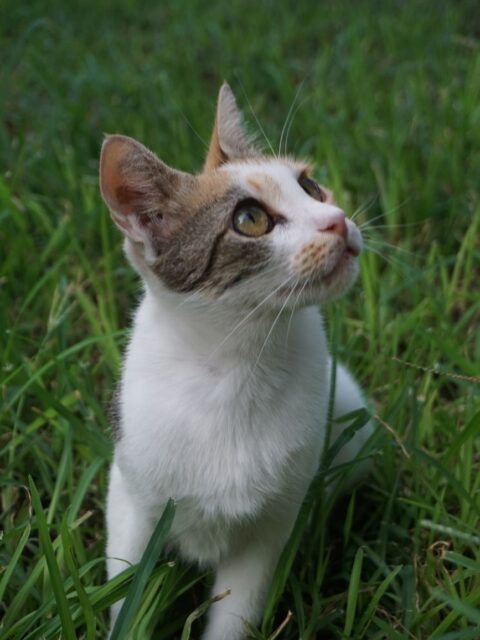 LC
LC
200-300 g
Weight
56-61 cm
Length
- Coloration
- dark greenish-black cap, chestnut neck, grayish body
- Lifespan
- 5-10 years in the wild
- Offspring per Birth
- 3-6
- Sexual Maturity
- 1 year
- Breeding Season
- Spring to early summer
LC
Least Concern
IUCN Red List Status
- Population Status
- The population is currently stable, but local declines may occur due to habitat loss.
- Wild Population Estimate
- 100,000-1,000,000
- Population Trend
- Stable
- Endangered
- 0
- Threats
- Main threats include habitat destruction, pollution, and human disturbance. These factors can significantly impact their breeding success and food availability.
- Predators
- Raccoons, snakes, larger birds of prey, and domestic cats.
- Defense Mechanisms
- Green Herons rely on their camouflage and stealth to avoid predators, often remaining motionless in dense vegetation.
- Found in Zoos
- Uncommon