



GREVY'S ZEBRA
Equus grevyi
DESCRIPTION
Grevy's Zebra is the largest and most endangered species of zebra, characterized by its unique narrow stripes and large ears. It is primarily found in the semi-arid grasslands of East Africa.
FUN FACTS
- Grevy's Zebras are the largest of all zebra species | Each Grevy's Zebra has a unique stripe pattern, much like human fingerprints | They can run at speeds of up to 40 miles per hour
QUICK INFO
Lifespan20-25 years in the wild, up to 30 in captivity
Average Weight350-450 kg
Average Length2.3-2.5 m
Diet TypeHerbivore
Social Structuregroup — they often form small herds or family groups, but can also be seen alone.
Activity PatternDiurnal
Breeding SeasonYear-round, with peaks depending on environmental conditions
- Habitat
- Grevy's Zebras inhabit open grasslands and savannas, often near water sources. They prefer areas with a mix of grass and shrubs for foraging.
- Biomes
- Savanna, Grassland
- Native Range
- They are native to the arid and semi-arid regions of Kenya and Ethiopia.
- Continent
- Africa
- Countries
- Kenya, Ethiopia
- Diet
- Grevy's Zebras are herbivores that primarily graze on grasses and browse on leaves and shrubs. They are known to be selective feeders, often choosing the most nutritious plants available.
- Diet Type
- Herbivore
- Favorite Food
- grasses, leaves
- Social Structure
- group — they often form small herds or family groups, but can also be seen alone.
- Activity Pattern
- Diurnal
- Group Size
- 2-20
- Territorial
- 0
 LC
LC
 LC
LC
 VU
VU
350-450 kg
Weight
2.3-2.5 m
Length
1.4-1.5 m at shoulder
Height (Shoulder)
- Coloration
- distinctive narrow stripes that are unique to each individual, with a lighter belly.
- Sexual Dimorphism
- males are generally larger than females
- Lifespan
- 20-25 years in the wild, up to 30 in captivity
- Gestation Period
- 390-400 days
- Offspring per Birth
- 1
- Sexual Maturity
- 3-4 years
- Breeding Season
- Year-round, with peaks depending on environmental conditions
EN
Endangered
IUCN Red List Status
- Population Status
- The population of Grevy's Zebras is currently declining due to habitat loss and poaching.
- Wild Population Estimate
- 2,500-3,000
- Population Trend
- Decreasing
- Endangered
- 1
- Threats
- Main threats include habitat loss due to agriculture and human settlement, as well as poaching for their skins.
- Conservation Program
- Various conservation programs are in place, including habitat protection and anti-poaching efforts.
- Predators
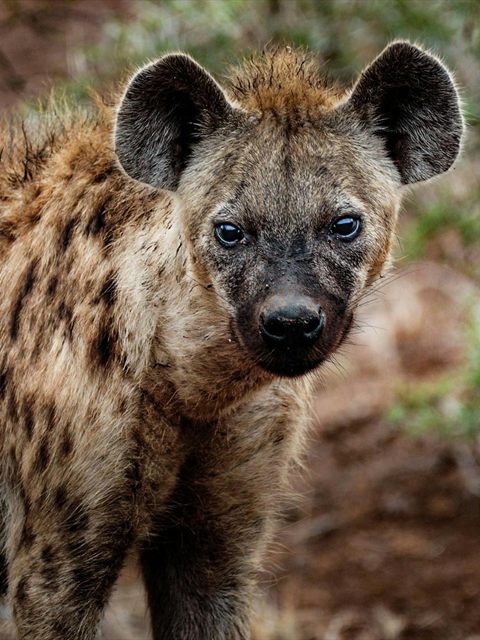
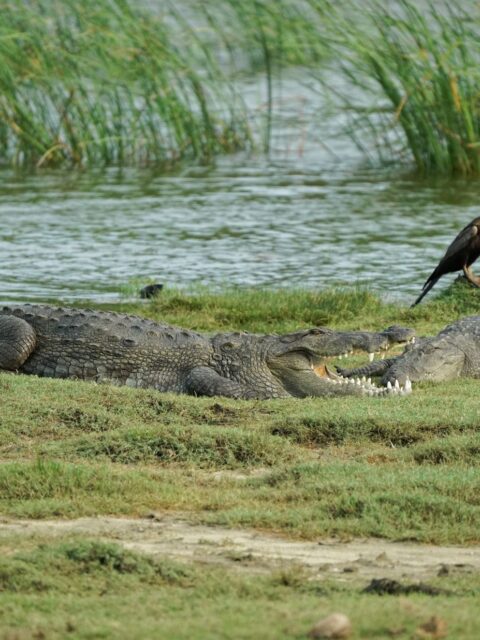
- lions, hyenas, and crocodiles
- Defense Mechanisms
- They rely on their speed and agility to escape predators, and they can also form defensive circles when threatened.
- Compatible Animals
- none
- Found in Zoos
- Uncommon