


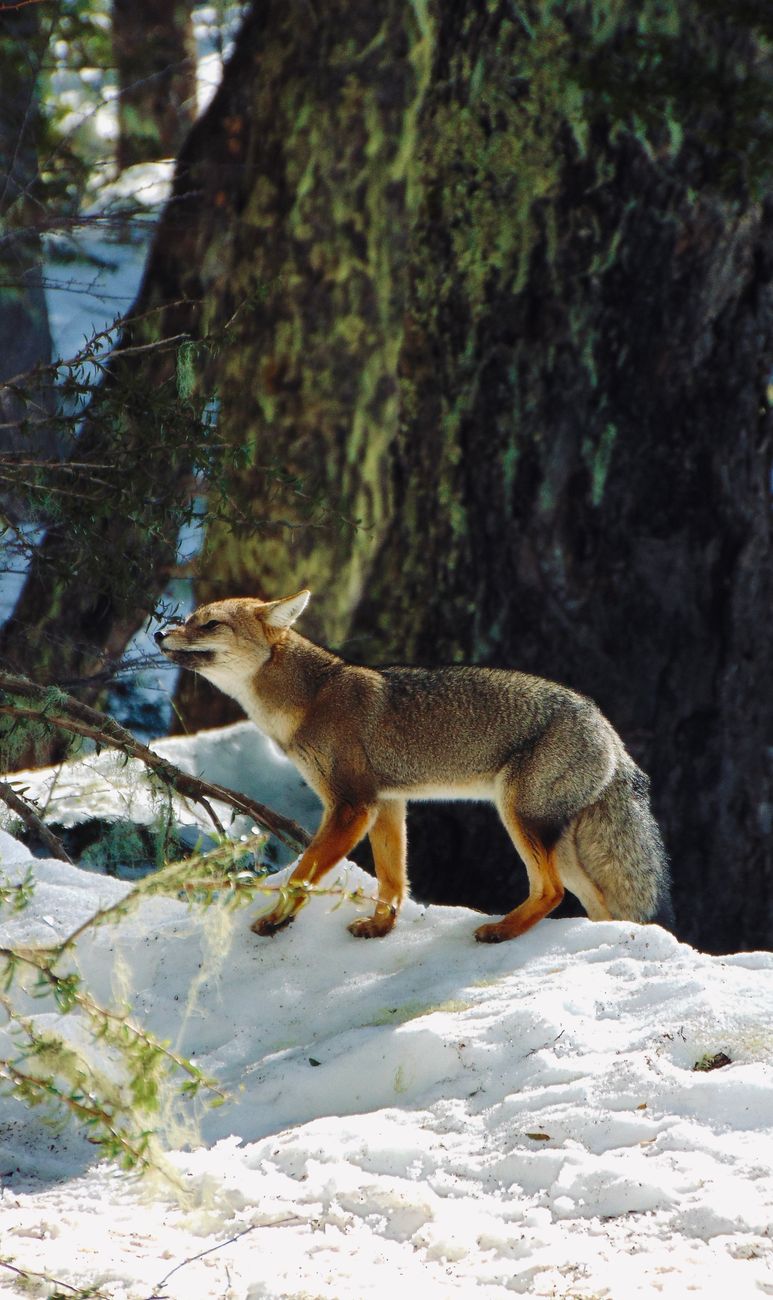
GREY FOX
Urocyon cinereoargenteus
DESCRIPTION
Grey Fox (Urocyon cinereoargenteus) is a small canid known for its distinctive grizzled gray fur and black-tipped tail. Unlike other fox species, it has the unique ability to climb trees, which it uses to escape predators and find food. This species is primarily nocturnal and is known for its adaptability to various habitats, including forests, grasslands, and urban areas.
FUN FACTS
- Grey Foxes are unique among canids for their ability to climb trees, which they do to escape danger or to hunt for food
- This climbing ability is attributed to their flexible ankle joints and sharp claws, allowing them to navigate branches with ease
- | Unlike many other fox species, Grey Foxes have a more varied diet that includes a significant amount of plant material, particularly fruits and berries, which they forage for in their habitats
- This omnivorous diet helps them thrive in diverse environments
QUICK INFO
Lifespan3-6 years in the wild, up to 12 years in captivity
Average Weight3.6-6.4 kg
Average Length60-90 cm
Diet TypeOmnivore
Social Structuresolitary, occasionally forming pairs during breeding
Activity PatternNocturnal
Breeding SeasonWinter (January-March)
- Habitat
- Grey Foxes inhabit a range of environments, from wooded areas to open fields. They prefer habitats with dense cover for hunting and denning.
- Biomes
- Temperate Forest, Grassland, Urban
- Native Range
- The Grey Fox is native to North America, ranging from southern Canada to northern Argentina.
- Continent
- North America, South America
- Countries
- United States, Canada, Mexico, Argentina
- Diet
- Grey Foxes are omnivorous, feeding on a variety of foods including fruits, small mammals, birds, and insects. They are opportunistic feeders and will adjust their diet based on seasonal availability.
- Diet Type
- Omnivore
- Favorite Food
- fruits, small mammals, birds
- Social Structure
- solitary, occasionally forming pairs during breeding
- Activity Pattern
- Nocturnal
- Group Size
- 1-2
- Territorial
- 1

 LC
LC
3.6-6.4 kg
Weight
60-90 cm
Length
- Coloration
- grizzled gray fur with reddish-brown patches and a black-tipped tail
- Sexual Dimorphism
- males are generally larger than females
- Lifespan
- 3-6 years in the wild, up to 12 years in captivity
- Gestation Period
- 53-63 days
- Offspring per Birth
- 2-7
- Sexual Maturity
- 10-12 months
- Breeding Season
- Winter (January-March)
LC
Least Concern
IUCN Red List Status
- Population Status
- The Grey Fox population is currently stable, with a wide distribution across its range.
- Wild Population Estimate
- unknown
- Population Trend
- Stable
- Endangered
- 0
- Threats
- Main threats to Grey Foxes include habitat loss due to urban development and road mortality. They are also susceptible to diseases such as rabies and distemper.
- Predators
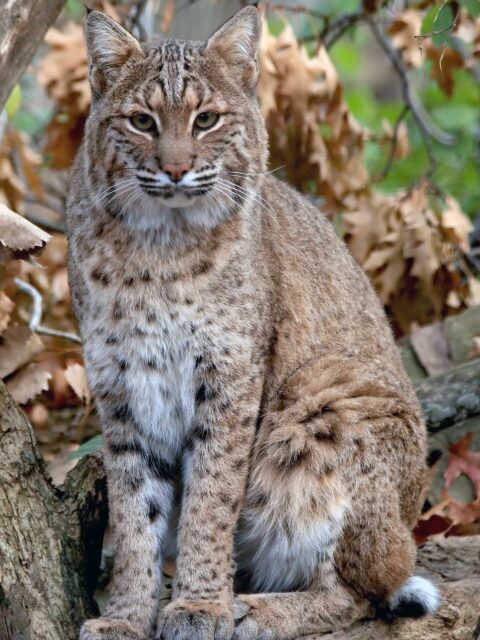
- Coyotes, bobcats, and larger birds of prey can pose threats to Grey Foxes, especially to young or injured individuals.
- Defense Mechanisms
- Grey Foxes use their climbing ability to escape from predators and can also rely on their agility and stealth.
- Found in Zoos
- Uncommon