


GREY-HEADED LEMUR
Eulemur cinereiceps
DESCRIPTION
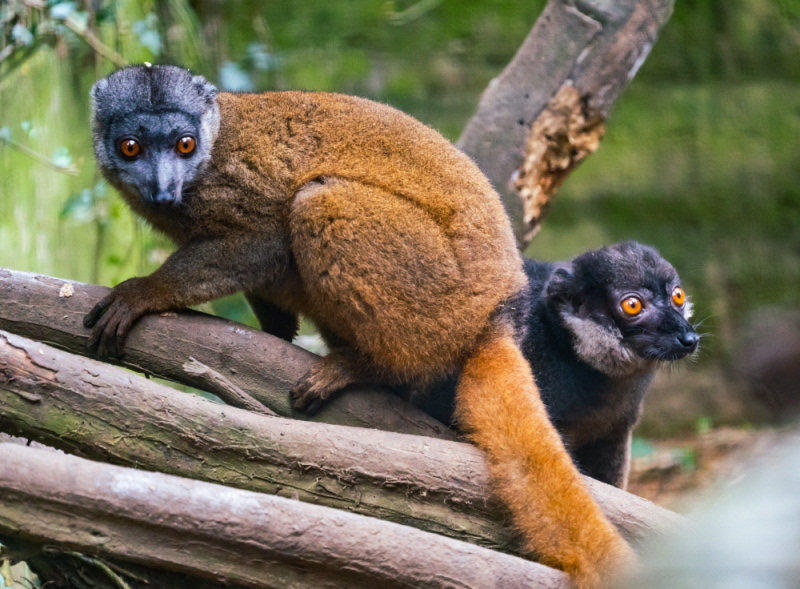
Grey-headed Lemur (Eulemur cinereiceps) is a medium-sized primate characterized by its distinctive grey head and dark brown body. This species is known for its social behavior, often found in small groups, and exhibits a range of vocalizations to communicate with one another. Inhabiting the forests of Madagascar, they play a crucial role in their ecosystem as seed dispersers, contributing to forest regeneration.
FUN FACTS
- Grey-headed Lemurs are known for their unique social structures, often forming strong bonds within their groups
- They are also highly vocal, using a variety of calls to communicate different messages, from alerting others to danger to coordinating group movements.|These lemurs have a fascinating reproductive strategy, where females often mate with multiple males, leading to a diverse genetic pool among offspring
- This behavior is thought to enhance the survival of the species in their challenging environment
QUICK INFO
Lifespan15-20 years in the wild, up to 25 in captivity
Average Weight2.5-3.5 kg
Average Length40-50 cm
Diet TypeHerbivore
Social StructureThey typically live in small groups, often consisting of a few females and their offspring, with males sometimes joining during the breeding season.
Activity PatternDiurnal
Breeding SeasonSpring (September-November)
- Habitat
- They inhabit tropical and subtropical forests, often preferring areas with dense vegetation for foraging and nesting.
- Biomes
- Tropical Rainforest
- Native Range
- Endemic to Madagascar, specifically found in the eastern rainforests.
- Continent
- Africa
- Countries
- Madagascar
- Diet
- Grey-headed Lemurs primarily consume fruits, leaves, and flowers, showcasing their adaptability to seasonal food availability.
- Diet Type
- Herbivore
- Favorite Food
- fruits and leaves
- Social Structure
- They typically live in small groups, often consisting of a few females and their offspring, with males sometimes joining during the breeding season.
- Activity Pattern
- Diurnal
- Group Size
- 3-10
- Territorial
- 1
 LC
LC

2.5-3.5 kg
Weight
40-50 cm
Length
- Coloration
- Grey head with a dark brown body and a long tail.
- Sexual Dimorphism
- Males are generally slightly larger than females.
- Lifespan
- 15-20 years in the wild, up to 25 in captivity
- Gestation Period
- 120 days
- Offspring per Birth
- 1-2
- Sexual Maturity
- 2-3 years
- Breeding Season
- Spring (September-November)
EN
Endangered
IUCN Red List Status
- Population Status
- The population is currently declining due to habitat loss and hunting.
- Wild Population Estimate
- Less than 10,000
- Population Trend
- Decreasing
- Endangered
- 1
- Threats
- Main threats include deforestation due to agriculture and logging, as well as hunting for bushmeat. These pressures have significantly impacted their habitat and population numbers.
- Conservation Program
- Conservation efforts include habitat protection and restoration initiatives in Madagascar.
- Predators
- Main predators include Madagascar's native raptors and snakes, as well as introduced species like domestic cats and dogs.
- Defense Mechanisms
- They use vocalizations to warn others of danger and can also flee quickly into the trees.
- Found in Zoos
- Uncommon