


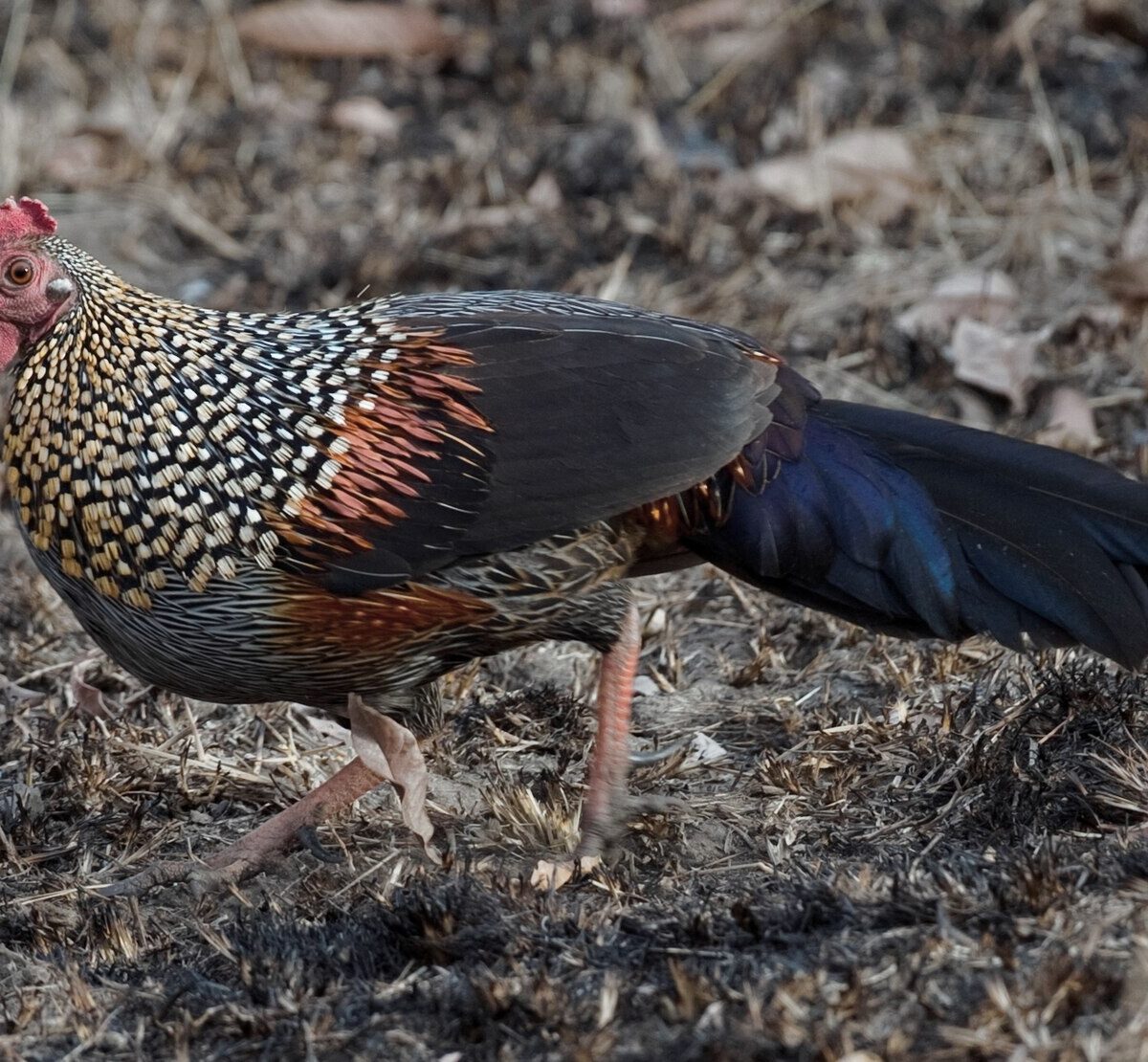
GREY JUNGLEFOWL
Gallus sonneratii
DESCRIPTION
Grey Junglefowl (Gallus sonneratii) is also known as Sonnerat's Junglefowl, a species native to the Indian subcontinent. This bird is characterized by its striking plumage, featuring a mix of grey, black, and brown feathers, with a distinctive red comb and wattles. Grey Junglefowl are known for their ground-dwelling behavior, often foraging in dense underbrush and exhibiting a range of vocalizations that play a crucial role in their social interactions.
FUN FACTS
- Grey Junglefowl are considered the wild ancestors of domestic chickens, showcasing a fascinating link between wild and domesticated species
- They exhibit complex social behaviors, including elaborate courtship displays and vocalizations that vary by region, highlighting their adaptability and communication skills
QUICK INFO
Lifespan5-10 years in the wild, up to 15 in captivity
Average Weight1-1.5 kg
Average Length60-70 cm
Diet TypeOmnivore
Social StructureThey are typically found in small groups or pairs, with males often displaying territorial behavior during the breeding season.
Activity PatternDiurnal
Breeding SeasonSpring (March-May)
- Habitat
- This species inhabits forest edges, scrublands, and agricultural areas, often preferring dense vegetation for cover. They are adaptable and can thrive in various environments as long as there is sufficient ground cover.
- Biomes
- Tropical Rainforest, Savanna, Grassland
- Native Range
- Grey Junglefowl are native to India, Nepal, and parts of Sri Lanka.
- Continent
- Asia
- Countries
- India, Nepal, Sri Lanka
- Diet
- Grey Junglefowl primarily feed on seeds, fruits, and insects, showcasing their omnivorous diet. They forage on the ground, scratching the soil to uncover hidden food sources.
- Diet Type
- Omnivore
- Favorite Food
- seeds, fruits, insects
- Social Structure
- They are typically found in small groups or pairs, with males often displaying territorial behavior during the breeding season.
- Activity Pattern
- Diurnal
- Group Size
- 2-10
- Territorial
- 1
 LC
LC

 VU
VU
 LC
LC
1-1.5 kg
Weight
60-70 cm
Length
- Coloration
- The plumage is predominantly grey with black and brown markings, and males have a bright red comb and wattles.
- Sexual Dimorphism
- Males are larger and more colorful than females, with distinct red facial features.
- Lifespan
- 5-10 years in the wild, up to 15 in captivity
- Offspring per Birth
- 5-10 eggs
- Sexual Maturity
- 6-7 months
- Breeding Season
- Spring (March-May)
LC
Least Concern
IUCN Red List Status
- Population Status
- The population of Grey Junglefowl is currently stable, though habitat loss poses a potential threat.
- Wild Population Estimate
- 50,000-100,000
- Population Trend
- Stable
- Endangered
- 0
- Threats
- Main threats include habitat destruction due to agriculture and urbanization, as well as hunting in some areas. These factors can lead to localized declines in their populations.
- Predators
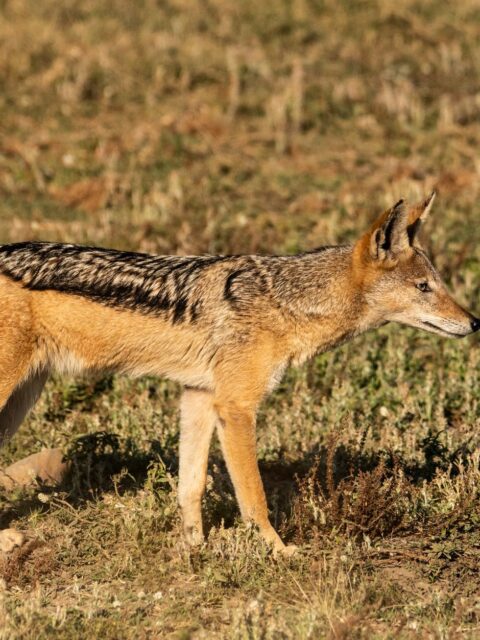
- Jackals, foxes, birds of prey, snakes
- Defense Mechanisms
- Grey Junglefowl rely on their camouflage and ability to hide in dense vegetation to evade predators.
- Found in Zoos
- Uncommon