


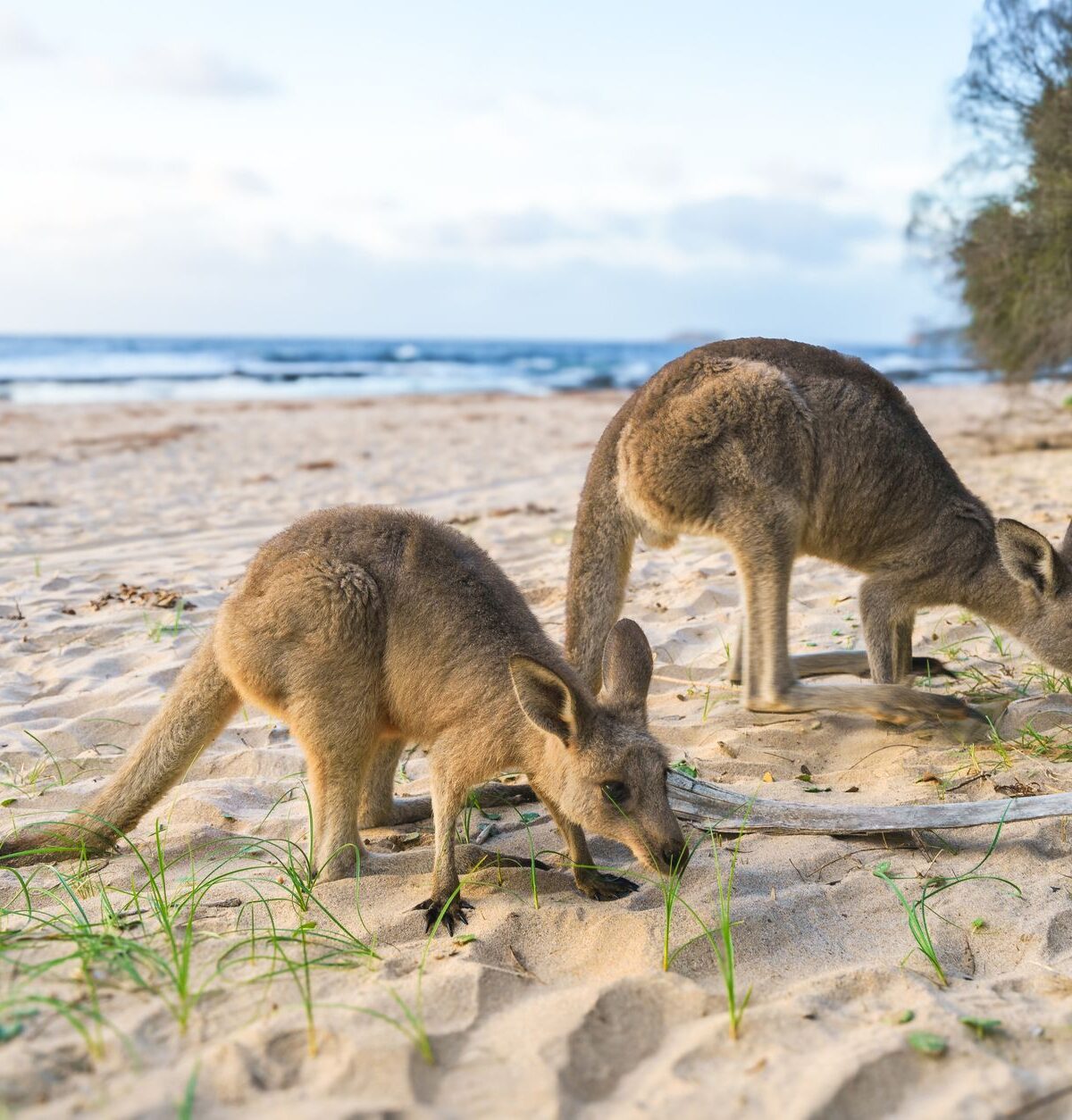
GREY KANGAROO
Macropus giganteus
DESCRIPTION
Grey Kangaroo (Macropus giganteus) is commonly known as the Great Grey Kangaroo and the Forester Kangaroo. This large marsupial is characterized by its powerful hind legs, long tail, and a robust body covered in grey fur, which can vary in shade. They are social animals often seen in groups, known as mobs, and are primarily active during the day, foraging for food in open grasslands and forests.
FUN FACTS
- Grey Kangaroos can leap over 3 meters in a single bound, using their strong hind legs to cover large distances quickly
- They are also known for their unique method of locomotion, hopping, which is energy-efficient and allows them to travel long distances in search of food and water.|A female Grey Kangaroo can give birth to a tiny joey that is about the size of a grape, which then crawls into her pouch to continue developing
- The joey will stay in the pouch for several months before emerging, and even after leaving the pouch, it will continue to nurse for some time
QUICK INFO
Lifespan8-12 years in the wild, up to 20 years in captivit
Average Weight40-66 kg
Average Length1.3-1.6 m
Diet TypeHerbivore
Social Structuregroup — they typically live in mobs that can consist of several individuals, providing safety in numbers.
Activity PatternDiurnal
Breeding SeasonYear-round, with peaks in spring and summer
- Habitat
- Grey Kangaroos inhabit a variety of environments, including open grasslands, woodlands, and scrublands. They prefer areas with ample vegetation for grazing and shelter.
- Biomes
- Grassland, Savanna, Woodland
- Native Range
- They are native to eastern Australia, ranging from Queensland to Tasmania.
- Continent
- Australia
- Countries
- Australia
- Diet
- Grey Kangaroos are herbivores, primarily grazing on grasses, leaves, and shoots. They have a specialized digestive system that allows them to efficiently process fibrous plant material.
- Diet Type
- Herbivore
- Favorite Food
- grasses
- Social Structure
- group — they typically live in mobs that can consist of several individuals, providing safety in numbers.
- Activity Pattern
- Diurnal
- Group Size
- 5-30
- Territorial
- 0
 LC
LC
 LC
LC
40-66 kg
Weight
1.3-1.6 m
Length
1.0-1.5 m at shoulder
Height (Shoulder)
- Coloration
- grey fur with lighter underparts
- Sexual Dimorphism
- males are generally larger than females
- Lifespan
- 8-12 years in the wild, up to 20 years in captivit
- Gestation Period
- 30-36 days
- Offspring per Birth
- 1
- Sexual Maturity
- 2-3 years
- Breeding Season
- Year-round, with peaks in spring and summer
LC
Least Concern
IUCN Red List Status
- Population Status
- The population of Grey Kangaroos is currently stable, with large numbers in the wild.
- Wild Population Estimate
- over 1 million
- Population Trend
- Stable
- Endangered
- 0
- Threats
- Main threats include habitat loss due to agriculture and urban development, as well as hunting in some areas. However, they are not currently considered endangered.
- Predators
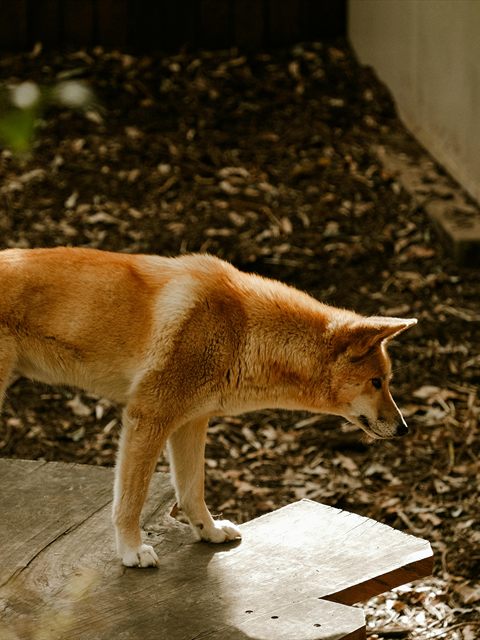
- Dingoes, eagles, and humans are the primary predators of Grey Kangaroos.
- Defense Mechanisms
- They use their powerful legs to kick and can also flee quickly to escape predators.
- Compatible Animals
- none
- Found in Zoos
- Common