


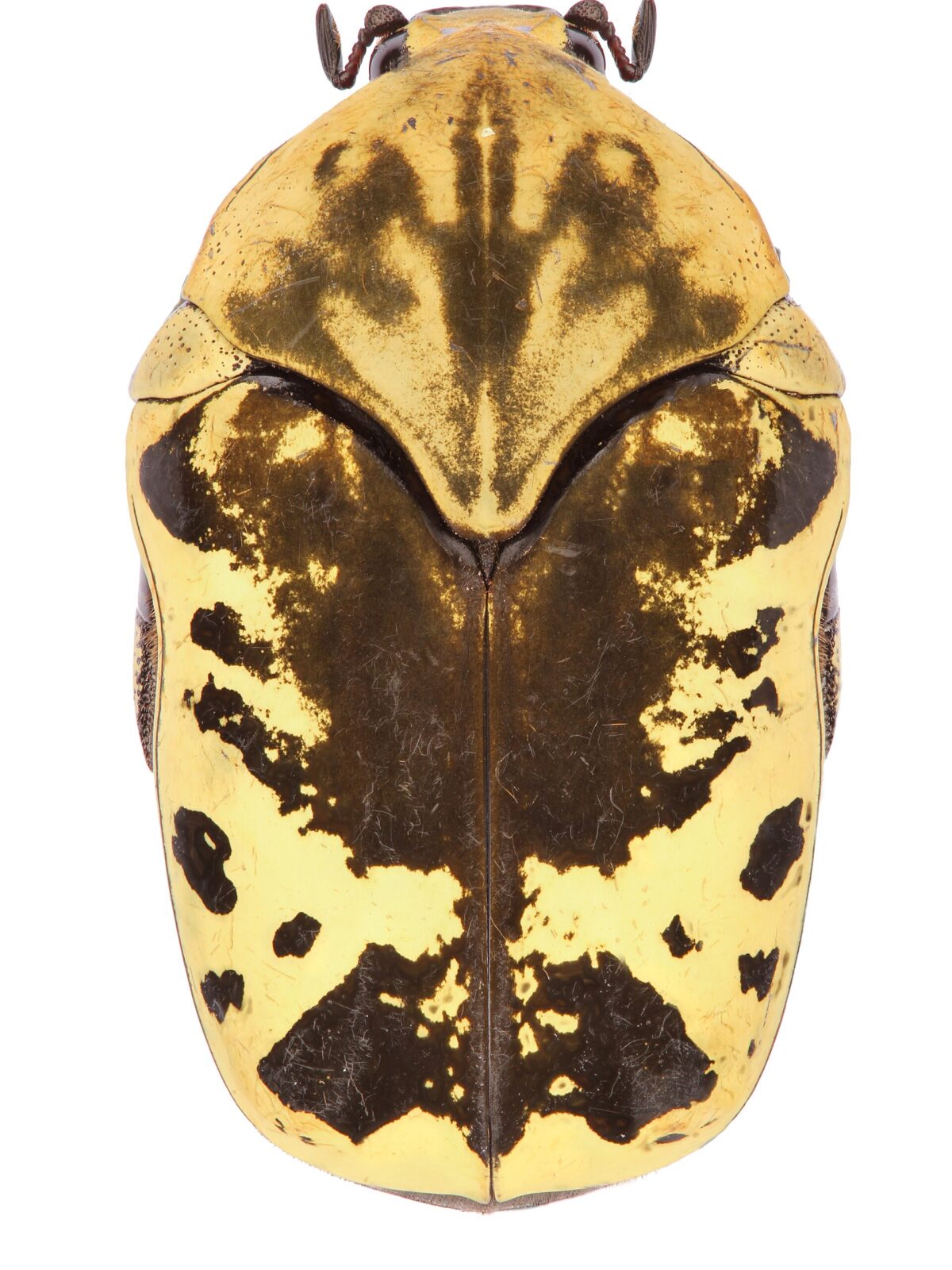
HARLEQUIN FLOWER BEETLE
DESCRIPTION
Harlequin Flower Beetle is a strikingly colorful insect known for its vibrant patterns and unique coloration. It typically exhibits a combination of bright yellow, orange, and black hues, making it easily recognizable among other beetles. This species is often found in gardens and flower-rich areas, where it plays a role in pollination and contributes to the ecosystem's health.
FUN FACTS
- Harlequin Flower Beetles are not only beautiful but also play a crucial role in pollination, helping to sustain the ecosystems they inhabit
- Their vibrant colors serve as a warning to predators about their potential toxicity, making them less likely to be eaten
- | These beetles are often attracted to gardens and floral displays, making them a favorite among gardeners and entomologists alike
- Their presence can indicate a healthy garden ecosystem, as they contribute to the pollination of many flowering plants
QUICK INFO
Lifespan1-2 years
Average Length1-2 cm
Diet TypeHerbivore
Social Structuresolitary, typically found alone or in small numbers
Activity PatternDiurnal
Breeding SeasonSpring to early summer
- Habitat
- This beetle thrives in areas abundant with flowers, such as gardens, meadows, and open woodlands. It prefers habitats that provide ample food sources and shelter.
- Biomes
- Temperate Forest, Grassland
- Native Range
- Harlequin Flower Beetle is native to regions in North America, particularly in the eastern United States.
- Continent
- North America
- Countries
- United States
- Diet
- Harlequin Flower Beetle primarily feeds on nectar and pollen from various flowering plants. This diet not only sustains the beetle but also aids in the pollination of the plants it visits.
- Diet Type
- Herbivore
- Favorite Food
- nectar and pollen
- Social Structure
- solitary, typically found alone or in small numbers
- Activity Pattern
- Diurnal
- Group Size
- 1-5
- Territorial
- 0
 VU
VU

 LC
LC
1-2 cm
Length
- Coloration
- bright yellow, orange, and black patterns
- Sexual Dimorphism
- males and females exhibit similar coloration but may differ slightly in size
- Lifespan
- 1-2 years
- Sexual Maturity
- approximately 6 months
- Breeding Season
- Spring to early summer
LC
Least Concern
IUCN Red List Status
- Population Status
- The population of Harlequin Flower Beetles is currently stable, with no significant declines reported.
- Wild Population Estimate
- unknown
- Population Trend
- Stable
- Endangered
- 0
- Threats
- Main threats include habitat loss due to urbanization and pesticide use, which can reduce their food sources and overall population. Climate change may also impact their habitats and food availability.
- Predators
- birds, small mammals, and other insects
- Defense Mechanisms
- Harlequin Flower Beetles can exhibit aposematic coloration, warning potential predators of their unpalatability.
- Found in Zoos
- Rare