


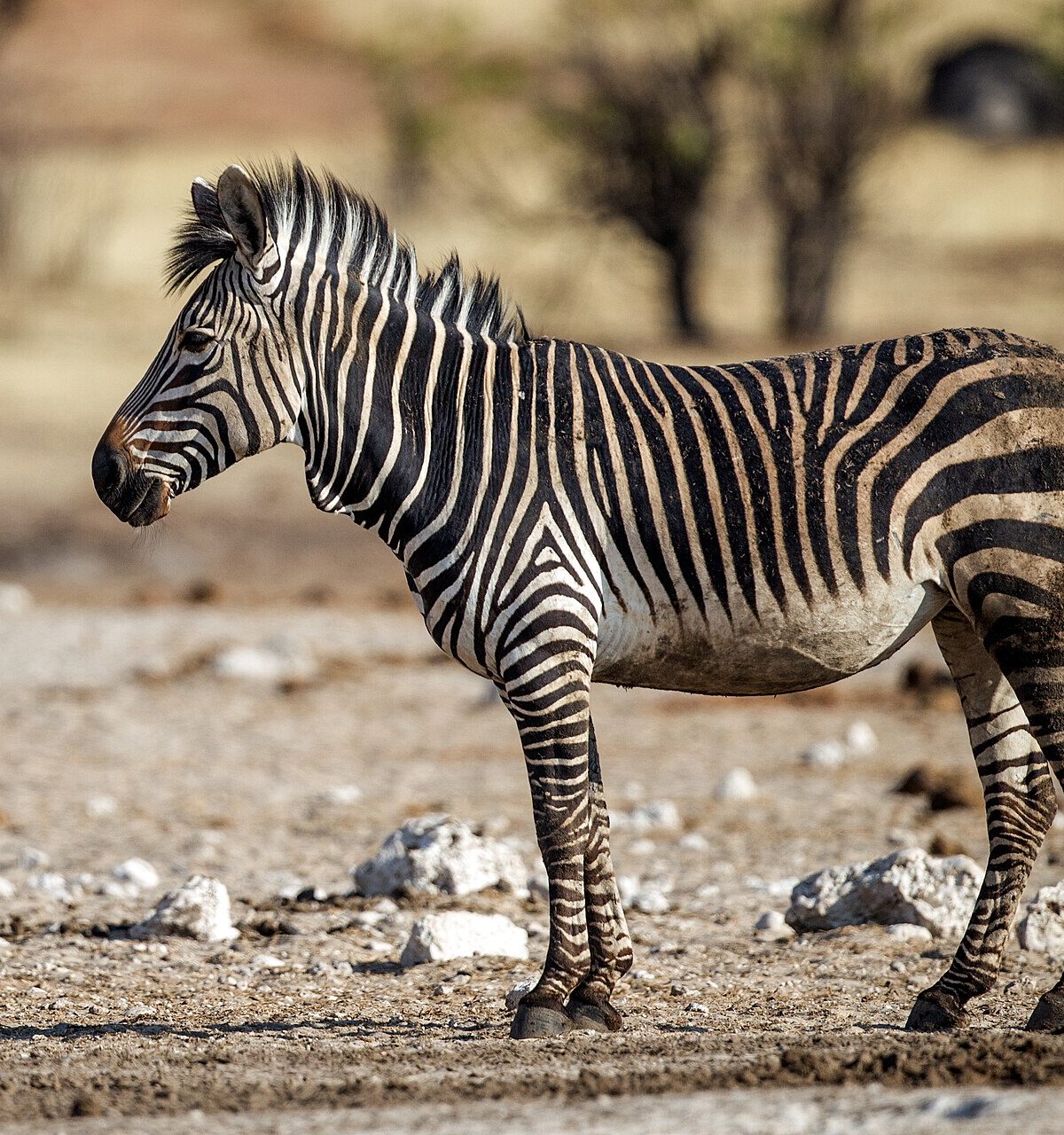
HARTMANN'S ZEBRA
Equus zebra hartmannae
DESCRIPTION
Hartmann's Zebra (Equus zebra hartmannae) is commonly known as the Mountain Zebra, distinguished by its unique vertical stripes that extend down to its belly. This species exhibits a robust build with a mane that stands erect and a tufted tail, giving it a distinctive appearance among zebras. Hartmann's Zebra is social and often found in small groups, displaying complex behaviors such as grooming and vocalizations to communicate with one another.
FUN FACTS
- Hartmann's Zebra is unique among zebras for its ability to thrive in mountainous terrains, showcasing remarkable adaptability to harsh environments
- Additionally, their stripes are not just for camouflage; they also play a role in social interactions and temperature regulation, making them fascinating creatures in the animal kingdom
QUICK INFO
Lifespan15-20 years in wild, up to 30 in captivity
Average Weight150-250 kg
Average Length1.8-2.5 m
Diet TypeHerbivore
Social Structuregroup — typically found in small herds of 5-20 individuals, consisting mainly of females and their young.
Activity PatternDiurnal
Breeding SeasonYear-round, with peaks depending on environmental conditions
- Habitat
- Hartmann's Zebra inhabits mountainous and hilly regions, often favoring areas with access to water and abundant vegetation. They are adapted to live in arid environments, where they can find shelter in rocky outcrops.
- Biomes
- Savanna, Grassland, Mountain
- Native Range
- Hartmann's Zebra is native to the mountainous regions of Namibia and South Africa.
- Continent
- Africa
- Countries
- Namibia, South Africa
- Diet
- Hartmann's Zebra primarily feeds on grasses, leaves, and shrubs, utilizing its strong teeth to graze effectively. They are known to be selective feeders, often choosing the most nutritious parts of the vegetation.
- Diet Type
- Herbivore
- Favorite Food
- grasses, leaves
- Social Structure
- group — typically found in small herds of 5-20 individuals, consisting mainly of females and their young.
- Activity Pattern
- Diurnal
- Group Size
- 5-20
- Territorial
- 1
 LC
LC
 LC
LC
150-250 kg
Weight
1.8-2.5 m
Length
1.2 m at shoulder
Height (Shoulder)
- Coloration
- distinctive black and white stripes, with a more pronounced stripe pattern on the face and neck
- Sexual Dimorphism
- males are generally larger than females
- Lifespan
- 15-20 years in wild, up to 30 in captivity
- Gestation Period
- 11 months
- Offspring per Birth
- 1
- Sexual Maturity
- 3-4 years
- Breeding Season
- Year-round, with peaks depending on environmental conditions
VU
Vulnerable
IUCN Red List Status
- Population Status
- The population of Hartmann's Zebra is currently stable, but they are still considered vulnerable due to habitat loss.
- Wild Population Estimate
- 20,000-25,000
- Population Trend
- Stable
- Endangered
- 0
- Threats
- Main threats include habitat loss due to agriculture and human encroachment, as well as competition with livestock for resources. Poaching for their skins also poses a risk to their population.
- Conservation Program
- Conservation efforts include habitat protection and management, as well as monitoring populations in protected areas.
- Predators
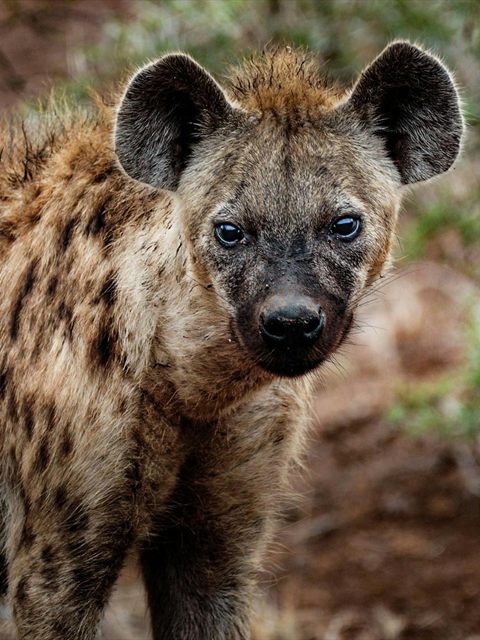
- Lions, hyenas, and leopards are known predators of Hartmann's Zebra.
- Defense Mechanisms
- Hartmann's Zebra uses its speed and agility to escape predators, and they often rely on their social structure to alert each other of danger.
- Compatible Animals
- none
- Found in Zoos
- Uncommon