


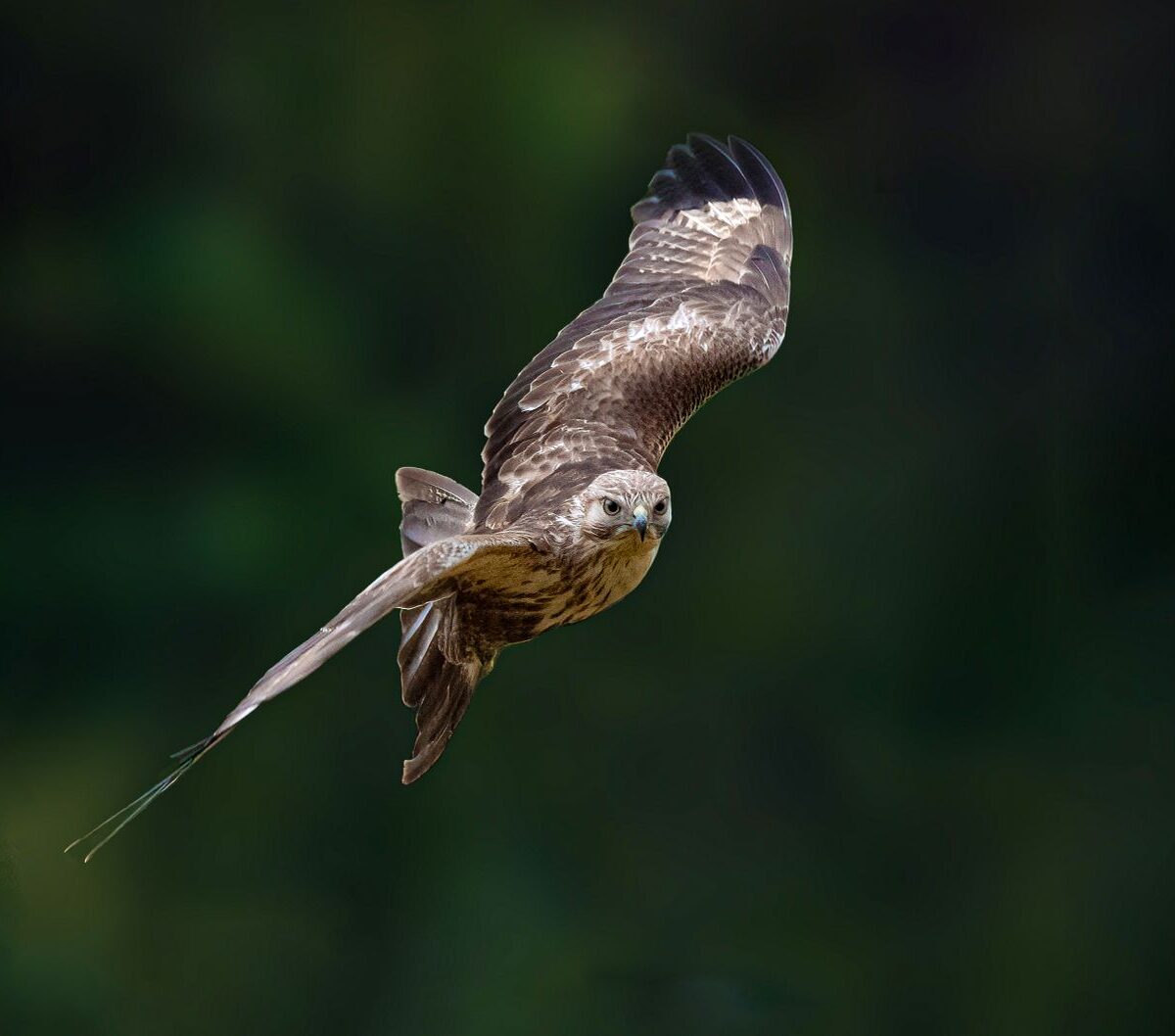
HAWK
DESCRIPTION
Hawk is commonly known as Buteo and Accipiter, which refer to different genera within the family Accipitridae. These birds of prey are characterized by their sharp talons, hooked beaks, and keen eyesight, which make them formidable hunters. Hawks are often seen soaring in the sky or perched on trees, where they scan the ground for potential prey, showcasing their adaptability to various environments.
FUN FACTS
- Hawks have incredible eyesight, allowing them to spot prey from great distances, up to a mile away
- They can see a wider spectrum of colors than humans, including ultraviolet light, which helps them detect urine trails left by small mammals
- | Some species of hawks, like the Red-tailed Hawk, are known for their distinctive calls, which can be heard over long distances
- These calls are often used to communicate with mates and establish territory, making them a familiar sound in many natural areas
QUICK INFO
Lifespan10-20 years in the wild, up to 30 in captivity
Average Weight0.5-3 kg
Average Length0.3-1.5 m
Diet TypeCarnivore
Social Structuresolitary, pair — typically solitary outside of breeding season
Activity PatternDiurnal
Breeding SeasonSpring (March-May)
- Habitat
- Hawks inhabit a variety of environments, including forests, grasslands, and urban areas. They prefer open spaces for hunting but require trees or cliffs for nesting and perching.
- Biomes
- Temperate Forest, Grassland, Urban
- Native Range
- Hawks are found across North America, Europe, Asia, and parts of Africa.
- Continent
- North America, Europe, Asia, Africa
- Countries
- United States, Canada, Mexico, United Kingdom, Germany, India
- Diet
- Hawks primarily feed on small mammals, birds, and reptiles, using their exceptional hunting skills to catch their prey. They are known for their ability to dive at high speeds to capture food.
- Diet Type
- Carnivore
- Favorite Food
- small mammals, birds
- Social Structure
- solitary, pair — typically solitary outside of breeding season
- Activity Pattern
- Diurnal
- Group Size
- 1-2
- Territorial
- 1
 LC
LC
0.5-3 kg
Weight
0.3-1.5 m
Length
- Coloration
- varies by species, generally brown or gray with lighter underparts
- Sexual Dimorphism
- females are generally larger than males
- Lifespan
- 10-20 years in the wild, up to 30 in captivity
- Offspring per Birth
- 1-5
- Sexual Maturity
- 1-2 years
- Breeding Season
- Spring (March-May)
LC
Least Concern
IUCN Red List Status
- Population Status
- Hawk populations vary by species, with some being abundant while others are threatened.
- Wild Population Estimate
- varies widely by species
- Population Trend
- Stable
- Endangered
- 0
- Threats
- Main threats include habitat loss, poisoning from rodenticides, and collisions with vehicles. Some species are also affected by hunting and illegal trapping.
- Predators
- eagles, larger birds of prey, humans
- Defense Mechanisms
- Hawks use their sharp talons and beaks to defend themselves, and they can also perform evasive aerial maneuvers to escape predators.
- Compatible Animals
- none
- Found in Zoos
- Common