


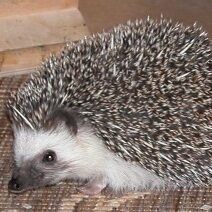
HEDGEHOG
Erinaceus europaeus
DESCRIPTION
The European hedgehog (Erinaceus europaeus) is a small, nocturnal mammal known for its distinctive spiny coat. It is commonly found in gardens, woodlands, and grasslands across Europe.
FUN FACTS
- Hedgehogs can run at speeds of up to 4 miles per hour | They have a unique ability to hibernate during winter months | Hedgehogs are known to consume up to 200 grams of insects in a single night
QUICK INFO
Lifespan3-7 years in the wild, up to 10 years in captivity
Average Weight0.5-1.5 kg
Average Length24-30 cm
Diet TypeInsectivore
Social Structuresolitary, typically live alone except during mating season
Activity PatternNocturnal
Breeding SeasonSpring (April-June)
- Habitat
- Hedgehogs thrive in a variety of habitats, including forests, hedgerows, and urban areas. They prefer environments with plenty of cover and food sources.
- Biomes
- Temperate Forest, Grassland, Urban
- Native Range
- Widespread across Europe, from the British Isles to the Mediterranean region.
- Continent
- Europe
- Countries
- United Kingdom, France, Germany, Italy, Spain
- Diet
- Hedgehogs primarily feed on insects, worms, and other small invertebrates. They may also consume fruits and vegetables occasionally.
- Diet Type
- Insectivore
- Favorite Food
- insects, worms
- Social Structure
- solitary, typically live alone except during mating season
- Activity Pattern
- Nocturnal
- Group Size
- 1
- Territorial
- 0

 LC
LC
 VU
VU
0.5-1.5 kg
Weight
24-30 cm
Length
- Coloration
- brown with lighter underbelly and spines
- Sexual Dimorphism
- males are generally larger than females
- Lifespan
- 3-7 years in the wild, up to 10 years in captivity
- Gestation Period
- 35 days
- Offspring per Birth
- 4-6
- Sexual Maturity
- 1 year
- Breeding Season
- Spring (April-June)
LC
Least Concern
IUCN Red List Status
- Population Status
- The population is currently stable in many areas, but some regions face declines due to habitat loss.
- Wild Population Estimate
- 1,000,000+
- Population Trend
- Stable
- Endangered
- 0
- Threats
- Main threats include habitat destruction, road traffic, and pesticide use. These factors contribute to declining food sources and increased mortality.
- Predators
- foxes, badgers, birds of prey
- Defense Mechanisms
- Hedgehogs can curl into a tight ball, using their spines as a defense against predators.
- Found in Zoos
- Uncommon