


HELMETED GUINEAFOWL
Numida meleagris
DESCRIPTION
The Helmeted Guineafowl (Numida meleagris) is a distinctive bird known for its striking appearance, characterized by a helmet-like casque on its head and a body covered in dark blue-gray feathers with white spots. These birds are social and often found in groups, foraging for food on the ground. They are also known for their loud, distinctive calls, which can be heard over long distances, making them a notable presence in their habitats.
FUN FACTS
- Helmeted Guineafowl are known for their unique vocalizations, which can sound like a series of loud honks and clucks, making them quite vocal in their natural habitat
- | These birds are also known for their ability to adapt to various environments, often seen foraging in agricultural fields, where they help control insect populations, benefiting farmers
QUICK INFO
Lifespan10-15 years in the wild, up to 20 years in captivi
Average Weight1.2-1.5 kg
Average Length50-60 cm
Diet TypeOmnivore
Social StructureThey are typically found in groups, often consisting of 10-20 individuals, which helps in foraging and predator avoidance.
Activity PatternDiurnal
Breeding SeasonSpring to early summer
- Habitat
- They inhabit open grasslands, savannas, and forest edges, often preferring areas with some cover for nesting. Their adaptability allows them to thrive in both wild and agricultural landscapes.
- Biomes
- Savanna, Grassland, Woodland
- Native Range
- Native to sub-Saharan Africa, particularly in regions from Senegal to Ethiopia and south to South Africa.
- Continent
- Africa
- Countries
- Senegal, Ethiopia, South Africa, Kenya, Tanzania, Uganda
- Diet
- Helmeted Guineafowl are omnivorous, feeding on a variety of seeds, fruits, insects, and small invertebrates. Their diet is diverse, allowing them to thrive in various environments.
- Diet Type
- Omnivore
- Favorite Food
- seeds, fruits, insects
- Social Structure
- They are typically found in groups, often consisting of 10-20 individuals, which helps in foraging and predator avoidance.
- Activity Pattern
- Diurnal
- Group Size
- 10-20
- Territorial
- 0
 LC
LC

 VU
LC
VU
LC
1.2-1.5 kg
Weight
50-60 cm
Length
- Coloration
- Dark blue-gray body with white spots and a distinctive helmet-like casque on the head.
- Sexual Dimorphism
- Males and females are similar in appearance, but males tend to be slightly larger.
- Lifespan
- 10-15 years in the wild, up to 20 years in captivi
- Offspring per Birth
- 6-12
- Sexual Maturity
- 6 months
- Breeding Season
- Spring to early summer
LC
Least Concern
IUCN Red List Status
- Population Status
- The population is generally stable, but local declines may occur due to habitat loss.
- Wild Population Estimate
- 1,000,000+
- Population Trend
- Stable
- Endangered
- 0
- Threats
- Main threats include habitat destruction due to agriculture and hunting. In some areas, they are also affected by predation from domestic animals.
- Predators
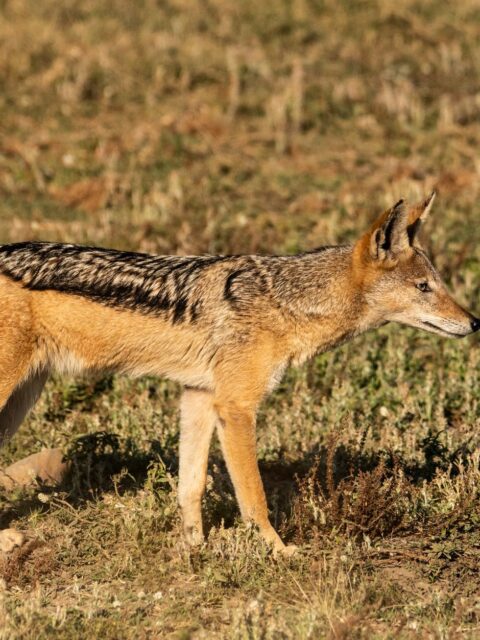
- Jackals, foxes, birds of prey, and domestic dogs.
- Defense Mechanisms
- They rely on their social structure for protection, using alarm calls to warn others of danger and fleeing to cover when threatened.
- Found in Zoos
- Common