


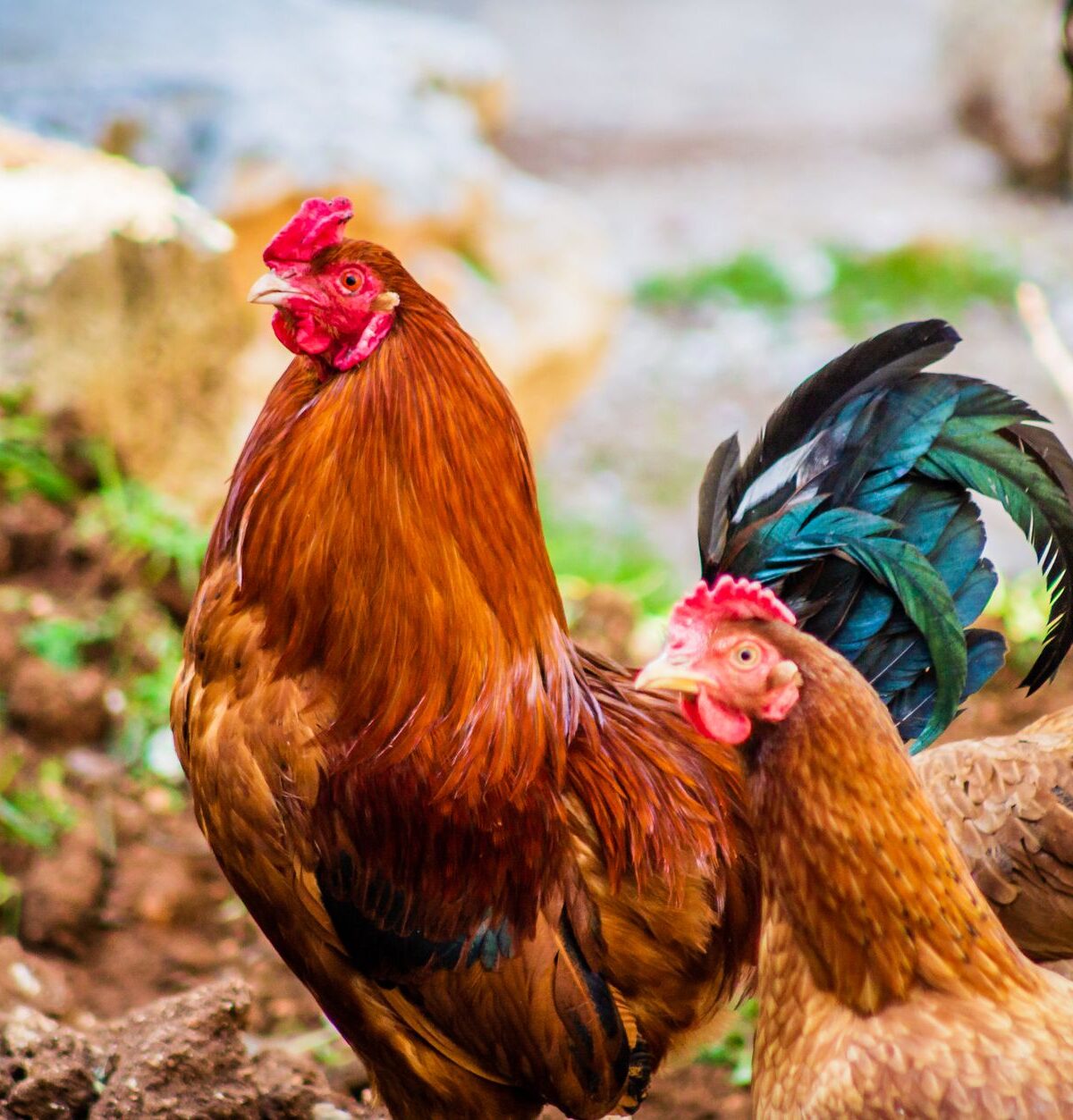
HEN AND ROOSTER
DESCRIPTION
Hen and Rooster, commonly known as Chicken and Rooster, are domesticated birds that have been bred for thousands of years for various purposes, including meat and egg production. They exhibit a wide range of colors and feather patterns, with roosters typically displaying more vibrant plumage than hens. These birds are social creatures, often found in flocks, and they communicate through a variety of vocalizations, including clucks, crows, and squawks.
FUN FACTS
- Chickens have a remarkable ability to recognize over 100 different faces, both human and animal, which helps them identify members of their flock and potential threats
- | Roosters are known for their crowing, which serves as a way to establish territory and communicate with hens, but they can also crow at any time of day, not just at dawn
QUICK INFO
Lifespan5-10 years in the wild, up to 15 years in captivit
Average Weight2-5 kg
Average Length0.5-0.9 m
Diet TypeOmnivore
Social StructureThey typically live in groups, with a defined social hierarchy known as the pecking order.
Activity PatternDiurnal
Breeding SeasonSpring (March-May)
- Habitat
- Chickens are highly adaptable and can thrive in various environments, including farms, backyards, and free-range settings. They prefer areas with access to shelter and foraging space.
- Biomes
- Grassland, Agricultural land
- Native Range
- Originally domesticated from wild junglefowl in Southeast Asia, they are now found worldwide.
- Continent
- Asia, Europe, North America, Africa, Australia
- Countries
- Worldwide
- Diet
- They are omnivorous, feeding on seeds, insects, and small animals. Their diet can vary significantly based on their environment and availability of food sources.
- Diet Type
- Omnivore
- Favorite Food
- grains, insects
- Social Structure
- They typically live in groups, with a defined social hierarchy known as the pecking order.
- Activity Pattern
- Diurnal
- Group Size
- 5-50
- Territorial
- 0

 LC
CR
LC
CR
 LC
LC
LC
LC
2-5 kg
Weight
0.5-0.9 m
Length
- Coloration
- Varies widely; common colors include white, brown, and black.
- Sexual Dimorphism
- Roosters are generally larger and more colorful than hens.
- Lifespan
- 5-10 years in the wild, up to 15 years in captivit
- Offspring per Birth
- 8-12 eggs per clutch
- Sexual Maturity
- 5-6 months
- Breeding Season
- Spring (March-May)
LC
Least Concern
IUCN Red List Status
- Population Status
- Chickens are one of the most populous domesticated animals globally, with billions raised each year.
- Population Trend
- Increasing
- Endangered
- 0
- Threats
- While domesticated chickens are not endangered, they face threats from disease, habitat loss, and intensive farming practices. Wild relatives may be threatened by habitat destruction and hunting.
- Predators
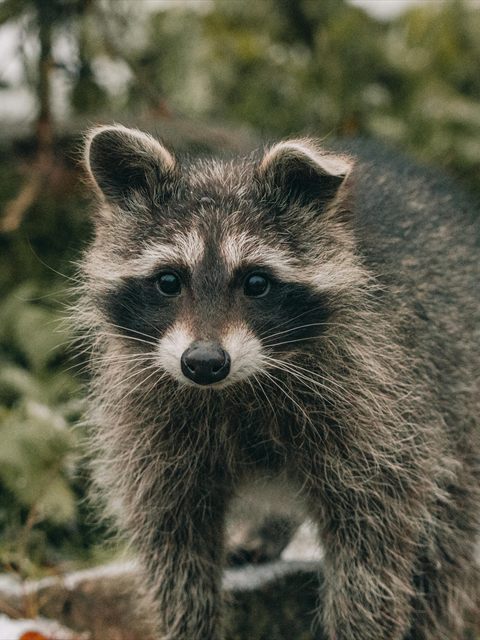
- Foxes, raccoons, hawks, snakes, and domestic dogs.
- Defense Mechanisms
- Chickens rely on flocking behavior for safety and can use their agility to escape predators.
- Compatible Animals
- Ducks, goats, rabbits
- Found in Zoos
- Uncommon