


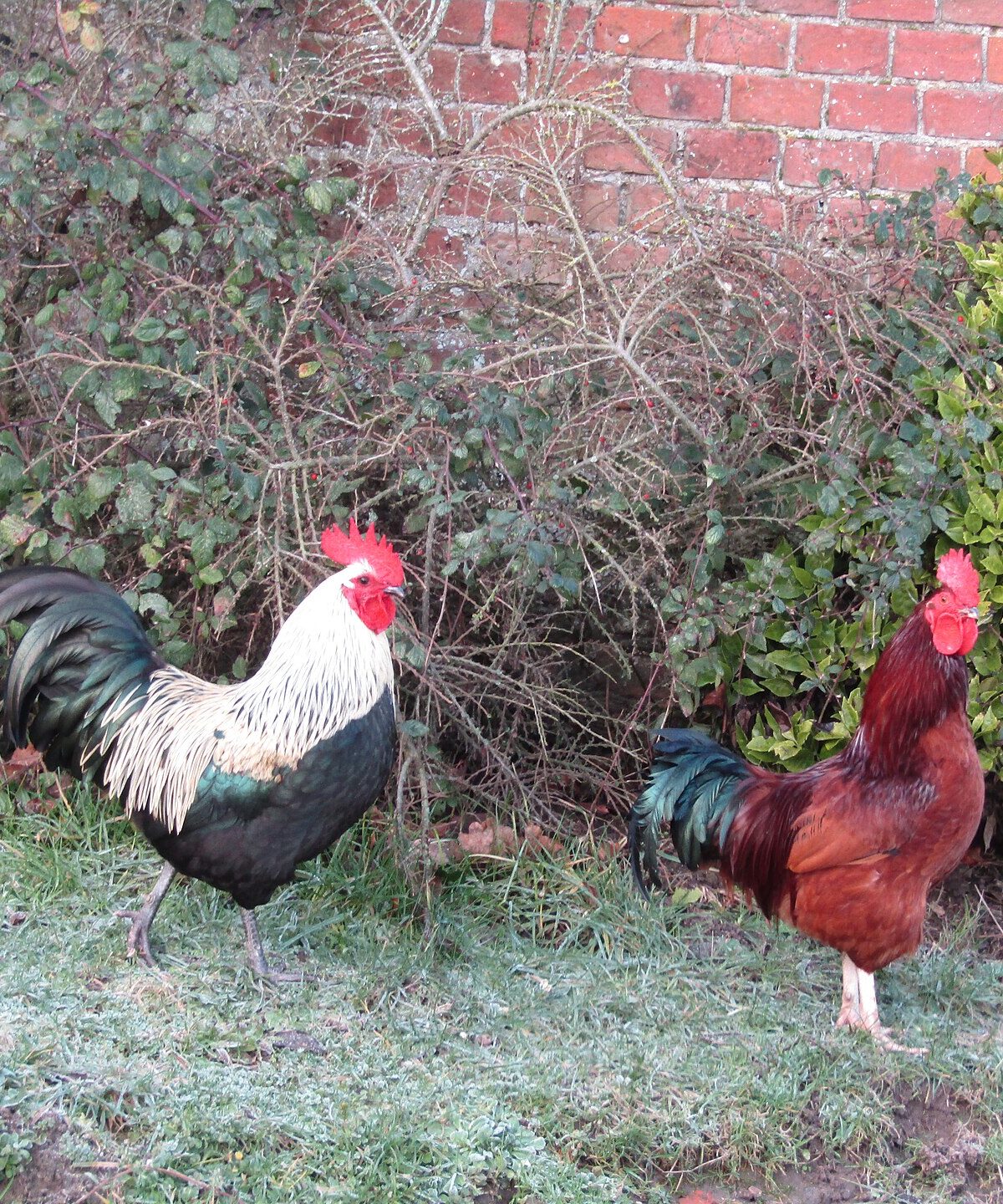
HERITAGE CHICKEN
DESCRIPTION
Heritage Chicken is commonly known as Heritage Breed Chicken and Traditional Chicken. These chickens are characterized by their diverse appearances, which can range from feather patterns to body shapes, reflecting their long history of breeding. They are known for their hardiness, adaptability to various environments, and ability to thrive in free-range conditions, making them a popular choice among small-scale farmers and backyard poultry enthusiasts.
FUN FACTS
- Heritage Chickens are often raised for their unique flavors and higher nutritional value compared to commercial breeds
- They are also known for their ability to adapt to various climates and conditions, making them a sustainable choice for small-scale farming
- | Many Heritage Chicken breeds have fascinating histories, with some dating back hundreds of years and being associated with specific regions or cultures
- Their genetic diversity is crucial for maintaining resilient poultry populations in the face of disease and environmental changes
QUICK INFO
Lifespan5-10 years in domestic settings
Average Weight2-4 kg
Diet TypeOmnivore
Social Structuregroup — they typically live in flocks, which provide social interaction and protection.
Activity PatternDiurnal
Breeding SeasonSpring (March-May)
- Habitat
- Heritage Chickens are typically found in domestic settings, often in backyards or small farms where they have access to outdoor spaces. They thrive in environments that allow for foraging and natural behaviors.
- Biomes
- Temperate Forest, Grassland
- Native Range
- Heritage Chickens originated from various regions around the world, with many breeds tracing their lineage back to ancient domesticated fowl.
- Continent
- North America, Europe, Asia
- Countries
- United States, United Kingdom, France, Italy
- Diet
- Heritage Chickens are omnivorous, feeding on a varied diet that includes grains, seeds, insects, and plants. They also forage for greens and small invertebrates, which contribute to their overall health and well-being.
- Diet Type
- Omnivore
- Favorite Food
- grains, seeds, insects
- Social Structure
- group — they typically live in flocks, which provide social interaction and protection.
- Activity Pattern
- Diurnal
- Group Size
- 5-15
- Territorial
- 0

 LC
CR
LC
CR
 LC
LC
2-4 kg
Weight
- Coloration
- varies widely, including black, white, red, and speckled patterns
- Sexual Dimorphism
- males are generally larger and more colorful than females
- Lifespan
- 5-10 years in domestic settings
- Offspring per Birth
- 8-12 eggs per clutch
- Sexual Maturity
- 5-6 months
- Breeding Season
- Spring (March-May)
LC
Least Concern
IUCN Red List Status
- Population Status
- Heritage Chicken populations are generally stable, but some specific breeds may be at risk due to declining interest in traditional farming practices.
- Population Trend
- Stable
- Endangered
- 0
- Threats
- The main threats to Heritage Chickens include habitat loss and competition from commercial poultry breeds. Additionally, changing agricultural practices may reduce the number of traditional breeds being raised.
- Conservation Program
- Various heritage breed conservation programs exist to promote and preserve these chickens, including the American Livestock Breeds Conservancy.
- Predators
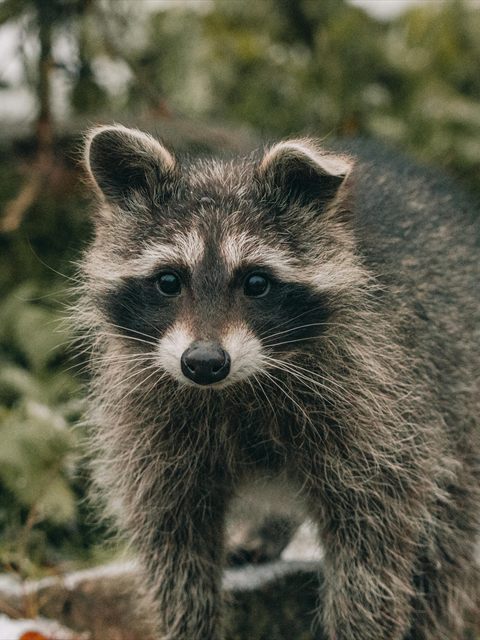
- foxes, raccoons, hawks, snakes
- Defense Mechanisms
- Heritage Chickens rely on flocking behavior and their ability to flee to avoid predators. They also use vocalizations to alert others of danger.
- Compatible Animals
- ducks, goats, rabbits
- Found in Zoos
- Rare