



HERON DUCK
DESCRIPTION
Heron Duck is a unique species that exhibits characteristics of both herons and ducks. It has a long neck and slender body, similar to herons, but possesses the webbed feet and broad bill typical of ducks. This species is often found wading in shallow waters, where it uses its long legs to navigate through aquatic vegetation while foraging for food.
FUN FACTS
- Heron Ducks are known for their unique hunting style, which involves standing still for long periods before striking quickly at passing prey
- They are also excellent swimmers, using their webbed feet to propel themselves through the water with ease.|Despite their name, Heron Ducks are not true ducks but rather a distinct species that showcases the fascinating adaptations of both herons and ducks, making them a unique addition to wetland ecosystems
QUICK INFO
Lifespan10-15 years in the wild
Average Weight1-2 kg
Average Length60-75 cm
Diet TypePiscivore
Social Structuresolitary, occasionally found in pairs during breeding season
Activity PatternDiurnal
Breeding SeasonSpring (April-June)
- Habitat
- Heron Ducks inhabit freshwater wetlands, marshes, and shallow lakes. They prefer areas with abundant vegetation that provide cover and foraging opportunities.
- Biomes
- Wetlands, Freshwater
- Native Range
- Heron Ducks are native to temperate regions of North America and parts of Europe.
- Continent
- North America, Europe
- Countries
- United States, Canada, parts of Europe
- Diet
- Heron Ducks primarily feed on small fish, amphibians, and aquatic invertebrates. They use their sharp bills to catch prey in the water.
- Diet Type
- Piscivore
- Favorite Food
- small fish, amphibians
- Social Structure
- solitary, occasionally found in pairs during breeding season
- Activity Pattern
- Diurnal
- Group Size
- 1-2
- Territorial
- 0
 LC
LC

 VU
VU
1-2 kg
Weight
60-75 cm
Length
- Coloration
- The Heron Duck has a mottled brown and gray plumage, providing excellent camouflage in its wetland habitat.
- Lifespan
- 10-15 years in the wild
- Offspring per Birth
- 4-6
- Sexual Maturity
- 1-2 years
- Breeding Season
- Spring (April-June)
LC
Least Concern
IUCN Red List Status
- Population Status
- The population of Heron Ducks is currently stable, with no significant declines reported.
- Wild Population Estimate
- 50,000-100,000
- Population Trend
- Stable
- Endangered
- 0
- Threats
- Main threats to Heron Ducks include habitat loss due to wetland drainage and pollution. Climate change also poses a risk by altering their habitats and food availability.
- Predators
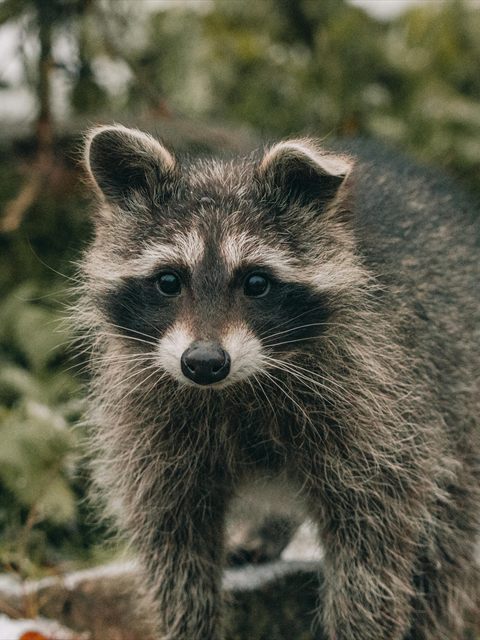
- Raccoons, foxes, large birds of prey, and snakes are known predators of Heron Ducks.
- Defense Mechanisms
- Heron Ducks rely on their camouflage and stealth to avoid predators, often remaining still in the water until danger passes.
- Compatible Animals
- none
- Found in Zoos
- Uncommon