



HIMALAYAN MONAL
Lophophorus impejanus
DESCRIPTION
The Himalayan Monal, also known as Lophophorus impejanus, is a strikingly colorful pheasant native to the mountainous regions of the Himalayas. Males are particularly vibrant, showcasing iridescent plumage with shades of green, blue, and red, while females are more subdued in coloration, featuring brown and gray tones for camouflage. This species is known for its elaborate courtship displays and is often found in steep, rocky terrains where it forages for food.
FUN FACTS
- The Himalayan Monal is the national bird of Nepal, symbolizing beauty and grace
- Its vibrant colors and unique appearance make it a popular subject in wildlife photography and art, often representing the rich biodiversity of the Himalayan region.| During courtship, male Himalayan Monals perform elaborate displays, puffing out their feathers and making loud calls to attract females
- These displays are not only a way to showcase their health and vitality but also to establish dominance over other males in the area
QUICK INFO
Lifespan10-15 years in the wild, up to 20 in captivity
Average Weight1.5-2.5 kg
Average Length70-80 cm
Diet TypeOmnivore
Social StructureThey are typically solitary or found in pairs, especially during the breeding season.
Activity PatternDiurnal
Breeding SeasonSpring (March-May)
- Habitat
- Himalayan Monals inhabit alpine meadows, forests, and scrublands at elevations ranging from 2,500 to 4,500 meters. They prefer areas with dense underbrush for cover and open spaces for foraging.
- Biomes
- Alpine, Temperate Forest
- Native Range
- The species is native to the Himalayas, specifically found in regions of India, Nepal, and Bhutan.
- Continent
- Asia
- Countries
- India, Nepal, Bhutan
- Diet
- The Himalayan Monal primarily feeds on a variety of plant materials, seeds, and insects. It forages on the ground, using its strong beak to dig through leaf litter and soil.
- Diet Type
- Omnivore
- Favorite Food
- seeds, leaves, insects
- Social Structure
- They are typically solitary or found in pairs, especially during the breeding season.
- Activity Pattern
- Diurnal
- Group Size
- 1-5
- Territorial
- 1
 VU
VU
 LC
LC
1.5-2.5 kg
Weight
70-80 cm
Length
- Coloration
- Males are iridescent with green, blue, and red hues, while females are brown and gray.
- Sexual Dimorphism
- Males are more colorful and larger than females.
- Lifespan
- 10-15 years in the wild, up to 20 in captivity
- Offspring per Birth
- 4-6 eggs
- Sexual Maturity
- 1-2 years
- Breeding Season
- Spring (March-May)
LC
Least Concern
IUCN Red List Status
- Population Status
- The population is currently stable, but habitat loss poses a potential threat.
- Wild Population Estimate
- 20,000-30,000
- Population Trend
- Stable
- Endangered
- 0
- Threats
- Main threats include habitat destruction due to agriculture and deforestation, as well as hunting in some areas. Climate change may also impact their alpine habitat.
- Predators
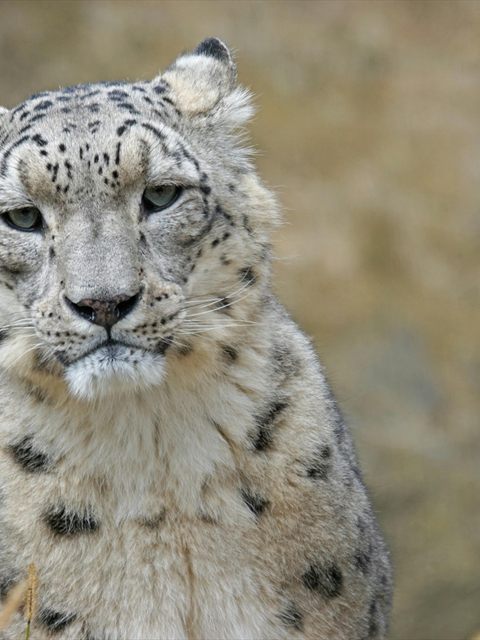
- Snow leopards, eagles, and foxes are known predators of the Himalayan Monal.
- Defense Mechanisms
- They rely on their camouflage and ability to fly short distances to escape predators.
- Found in Zoos
- Uncommon