


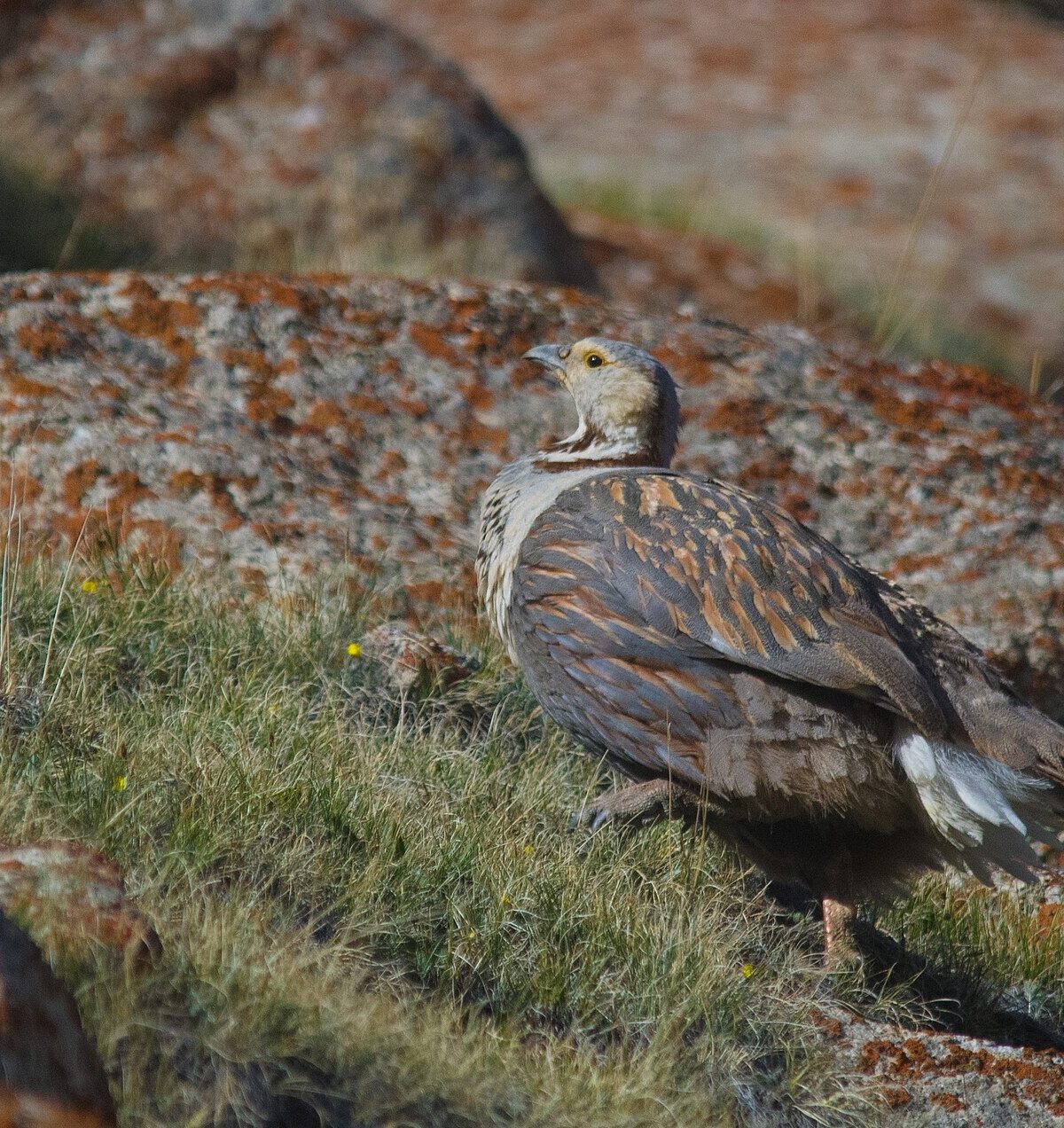
HIMALAYAN SNOWCOCK
Tetraogallus himalayensis
DESCRIPTION
Himalayan Snowcock (Tetraogallus himalayensis) is also known as the Himalayan Cock, a large game bird that inhabits the high altitudes of the Himalayas. It has a distinctive appearance with a grayish-brown plumage, a long tail, and a prominent crest on its head. This species is known for its elusive behavior, often found in steep, rocky terrains where it blends well with its surroundings.
FUN FACTS
- Himalayan Snowcocks are known for their unique courtship displays, where males perform elaborate calls and displays to attract females
- These birds are also remarkable for their ability to navigate steep and rocky terrains, making them well-adapted to their high-altitude habitats.| Despite their size, Himalayan Snowcocks can fly short distances, especially when threatened, using their strong wings to escape predators quickly
QUICK INFO
Lifespan5-10 years in the wild
Average Weight1.5-2.5 kg
Average Length50-60 cm
Diet TypeOmnivore
Social StructureThey are typically found in small groups or pairs, especially during the breeding season.
Activity PatternDiurnal
Breeding SeasonSpring (April-June)
- Habitat
- This species prefers alpine and subalpine habitats, often found in rocky slopes and grasslands at elevations ranging from 3,000 to 5,000 meters. They are well-adapted to cold, harsh environments.
- Biomes
- Alpine, Mountain
- Native Range
- The Himalayan Snowcock is native to the mountainous regions of Central Asia, particularly the Himalayas and surrounding ranges.
- Continent
- Asia
- Countries
- India, Nepal, Bhutan, Pakistan, China
- Diet
- Himalayan Snowcock primarily feeds on a variety of plant materials, including seeds, leaves, and grasses. They may also consume insects and other small invertebrates occasionally.
- Diet Type
- Omnivore
- Favorite Food
- seeds, leaves, grasses
- Social Structure
- They are typically found in small groups or pairs, especially during the breeding season.
- Activity Pattern
- Diurnal
- Group Size
- 2-10
- Territorial
- 1
 LC
LC
 VU
VU
1.5-2.5 kg
Weight
50-60 cm
Length
- Coloration
- The plumage is predominantly grayish-brown with lighter underparts and a distinctive white wing patch.
- Sexual Dimorphism
- Males are generally larger and more colorful than females.
- Lifespan
- 5-10 years in the wild
- Offspring per Birth
- 5-10 eggs
- Sexual Maturity
- 1 year
- Breeding Season
- Spring (April-June)
LC
Least Concern
IUCN Red List Status
- Population Status
- The population of Himalayan Snowcock is currently stable, but habitat loss poses a potential threat.
- Wild Population Estimate
- 10,000-20,000
- Population Trend
- Stable
- Endangered
- 0
- Threats
- Main threats include habitat destruction due to grazing and human encroachment. Climate change may also impact their high-altitude habitats.
- Predators
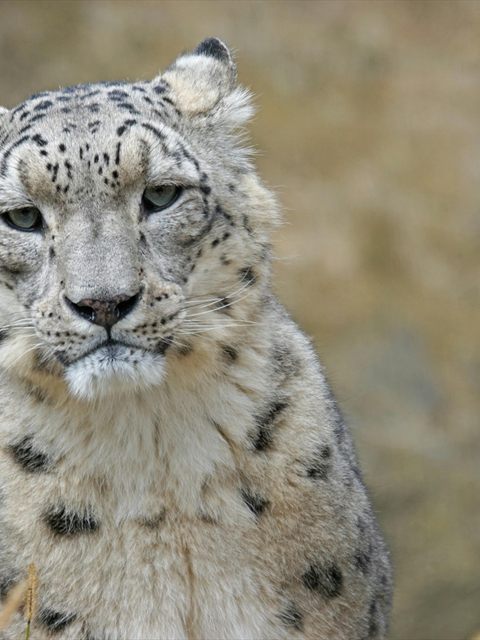
- Golden Eagles, Snow Leopards, Foxes
- Defense Mechanisms
- They rely on their camouflage and ability to remain still to avoid detection by predators.
- Found in Zoos
- Rare