


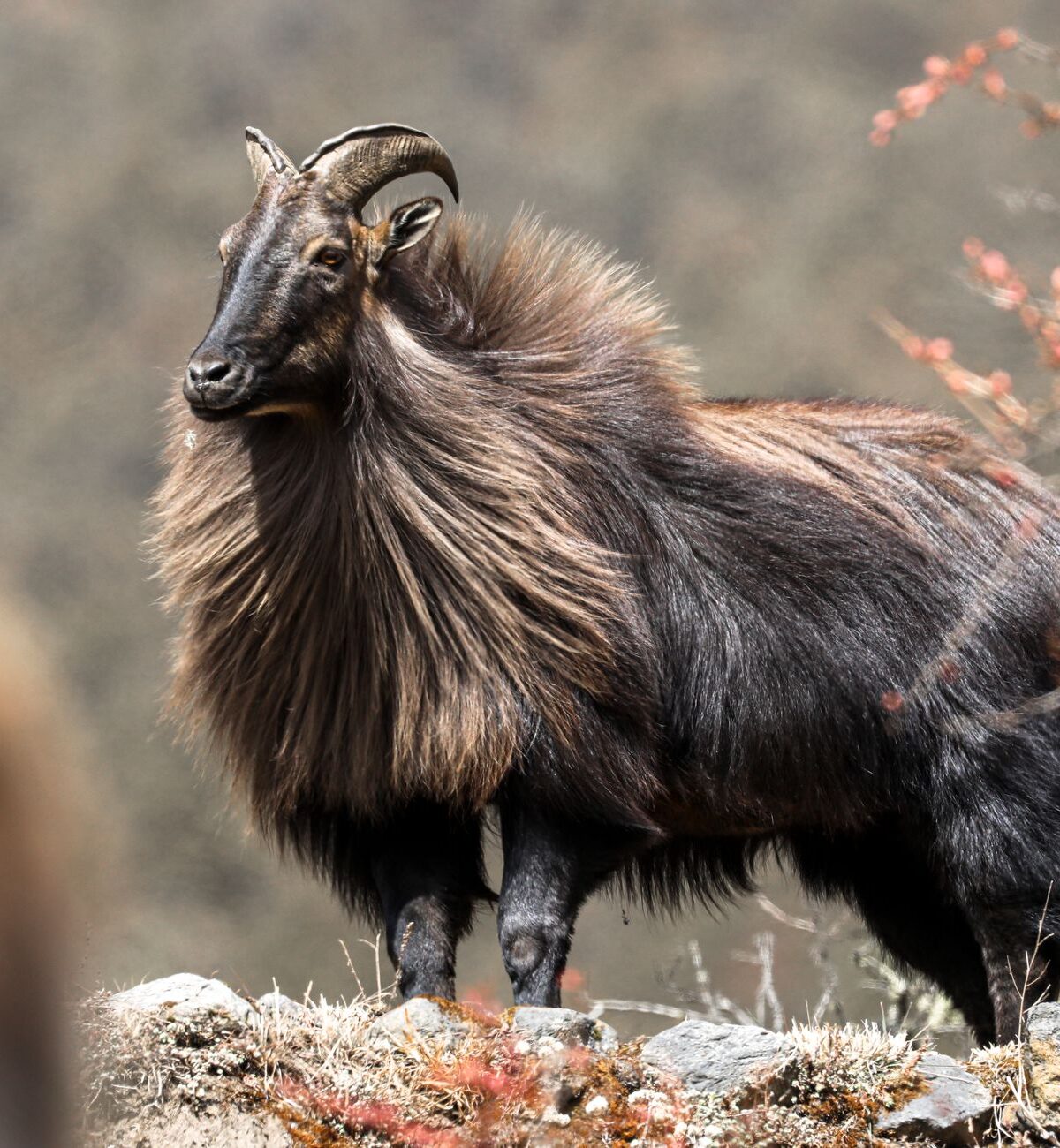
HIMALAYAN TAHR
Hemitragus jemlahicus
DESCRIPTION
Himalayan Tahr (Hemitragus jemlahicus) is commonly known as Tahr. This large, herbivorous mammal is characterized by its robust build, long curved horns, and a thick, shaggy coat that varies in color from reddish-brown to gray. They are agile climbers, adept at navigating steep, rocky terrains in their mountainous habitats, and are known for their social behavior, often forming groups to graze and protect against predators.
FUN FACTS
- Himalayan Tahr are excellent climbers, able to navigate steep and rocky terrains with ease, which helps them escape from predators
- They have a unique social structure where females and young form herds, while males often lead a more solitary life, coming together only during the breeding season
QUICK INFO
Lifespan10-15 years in the wild, up to 20 years in captivi
Average Weight50-100 kg
Average Length1.2-1.5 m
Diet TypeHerbivore
Social Structuregroup — females and young typically form herds, while males may be solitary or in small groups.
Activity PatternDiurnal
Breeding SeasonAutumn (September-November)
- Habitat
- Himalayan Tahr inhabits steep, rocky slopes and alpine meadows, typically at elevations ranging from 2,500 to 5,000 meters. They prefer areas with ample vegetation for grazing and shelter.
- Biomes
- Alpine, Mountain
- Native Range
- The native range of the Himalayan Tahr includes the Himalayas, particularly in Nepal, India, and Bhutan.
- Continent
- Asia
- Countries
- Nepal, India, Bhutan
- Diet
- Himalayan Tahr primarily feeds on grasses, shrubs, and other vegetation found in their mountainous environment.
- Diet Type
- Herbivore
- Favorite Food
- grasses, shrubs
- Social Structure
- group — females and young typically form herds, while males may be solitary or in small groups.
- Activity Pattern
- Diurnal
- Group Size
- 5-30
- Territorial
- 0
 VU
VU
 LC
LC
50-100 kg
Weight
1.2-1.5 m
Length
0.8-1.0 m at shoulder
Height (Shoulder)
- Coloration
- reddish-brown to gray with a shaggy coat
- Sexual Dimorphism
- Males are larger and have longer horns than females.
- Lifespan
- 10-15 years in the wild, up to 20 years in captivi
- Gestation Period
- 180 days
- Offspring per Birth
- 1
- Sexual Maturity
- 2-3 years
- Breeding Season
- Autumn (September-November)
LC
Least Concern
IUCN Red List Status
- Population Status
- The population of Himalayan Tahr is currently stable, but they face threats from habitat loss and hunting.
- Wild Population Estimate
- 20,000-30,000
- Population Trend
- Stable
- Endangered
- 0
- Threats
- Main threats include habitat destruction due to agriculture and development, as well as hunting for sport and meat. Conservation efforts are in place to protect their habitats and regulate hunting.
- Conservation Program
- Various conservation programs in Nepal and India focus on habitat protection and sustainable tourism.
- Predators
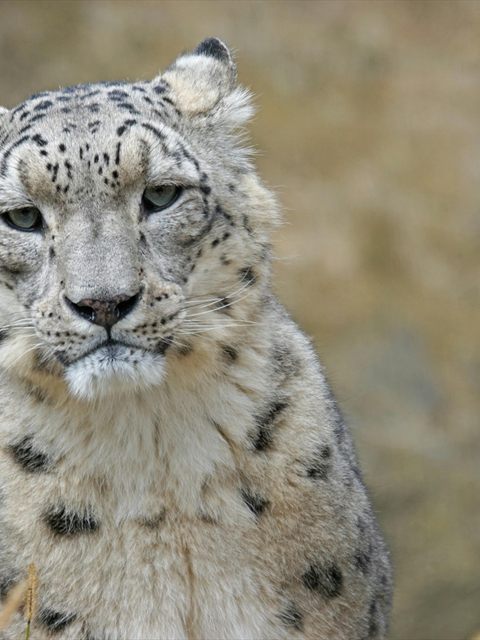
- Snow leopards, wolves, and large birds of prey are known predators of Himalayan Tahr.
- Defense Mechanisms
- Himalayan Tahr use their agility and speed to escape predators, often fleeing to steep cliffs where they can evade capture.
- Found in Zoos
- Uncommon