


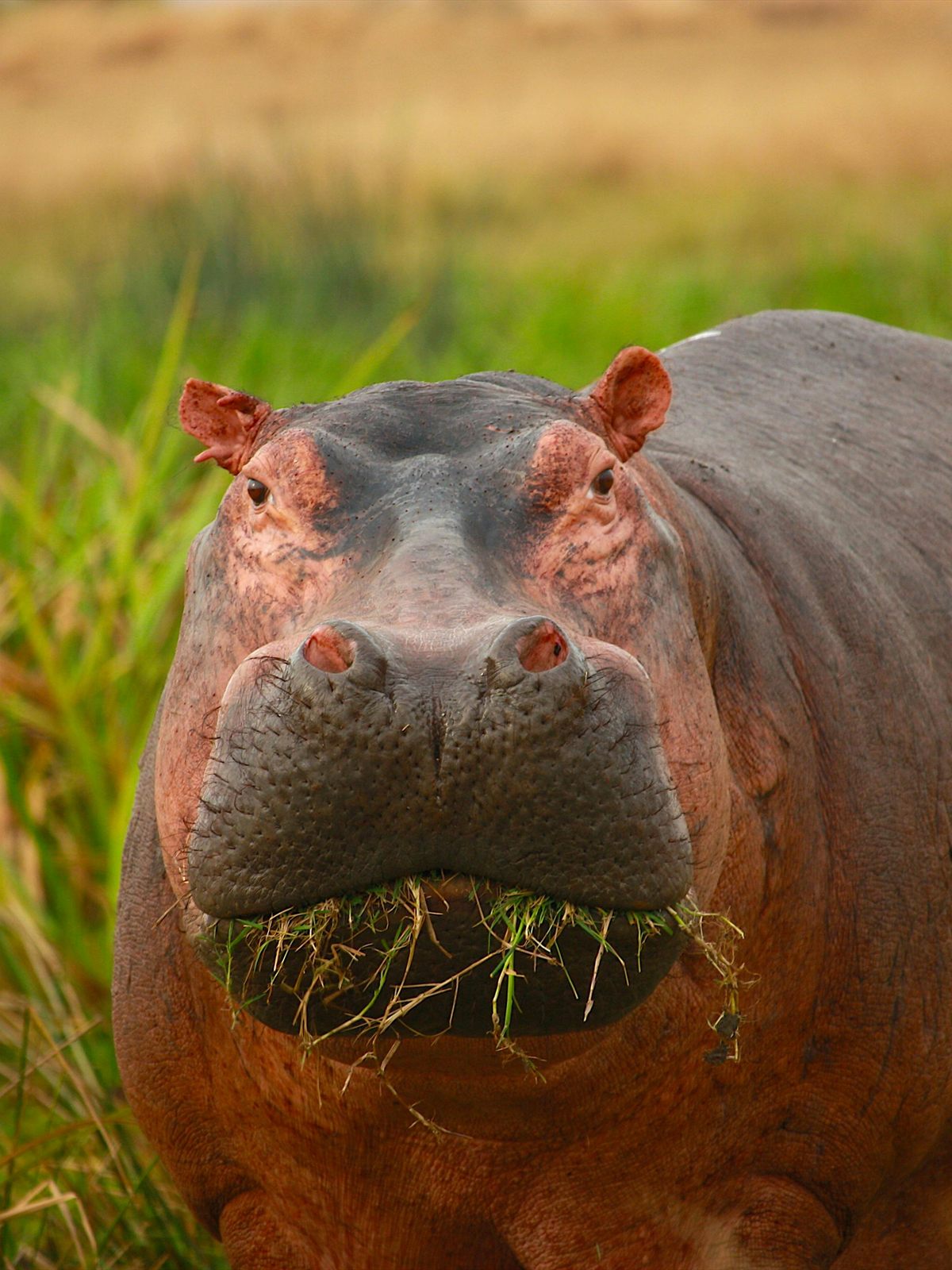
HIPPOPOTAMUS
Hippopotamus amphibius
DESCRIPTION
The hippopotamus is a large, mostly herbivorous mammal native to sub-Saharan Africa. Known for its massive size and semi-aquatic lifestyle, it spends much of its time in water to keep cool.
FUN FACTS
- Hippopotamuses can hold their breath underwater for up to five minutes | They produce a natural sunscreen that is red in color | Despite their size, they can run up to 30 km/h on land
QUICK INFO
Lifespan40-50 years in the wild, up to 60 in captivity
Average Weight1,500-1,800 kg
Average Length3.3-5.2 m
Diet TypeHerbivore
Social Structuregroup — typically consists of 10-30 individuals led by a dominant male.
Activity PatternNocturnal
Breeding SeasonYear-round
- Habitat
- Hippopotamuses inhabit rivers, lakes, and swamps, where they can submerge themselves to stay cool. They require access to land for grazing.
- Biomes
- Wetlands, Savanna
- Native Range
- Sub-Saharan Africa
- Continent
- Africa
- Countries
- Botswana, Kenya, Tanzania, South Africa, Zambia
- Diet
- Hippopotamuses primarily graze on grasses, consuming large quantities at night. They may also eat some fruits and aquatic plants.
- Diet Type
- Herbivore
- Favorite Food
- grasses
- Social Structure
- group — typically consists of 10-30 individuals led by a dominant male.
- Activity Pattern
- Nocturnal
- Group Size
- 10-30
- Territorial
- 1
 VU
VU
1,500-1,800 kg
Weight
3.3-5.2 m
Length
1.5 m at shoulder
Height (Shoulder)
- Coloration
- grayish-brown with hairless skin
- Sexual Dimorphism
- males are larger than females
- Lifespan
- 40-50 years in the wild, up to 60 in captivity
- Gestation Period
- 240 days
- Offspring per Birth
- 1
- Sexual Maturity
- 5-6 years
- Breeding Season
- Year-round
VU
Vulnerable
IUCN Red List Status
- Population Status
- The population is currently stable but faces threats from habitat loss and poaching.
- Wild Population Estimate
- 125,000-150,000
- Population Trend
- Decreasing
- Endangered
- 1
- Threats
- Main threats include habitat destruction, poaching for meat and ivory, and conflicts with humans over resources.
- Conservation Program
- Various local and international conservation efforts are in place, including habitat protection and anti-poaching initiatives.
- Predators
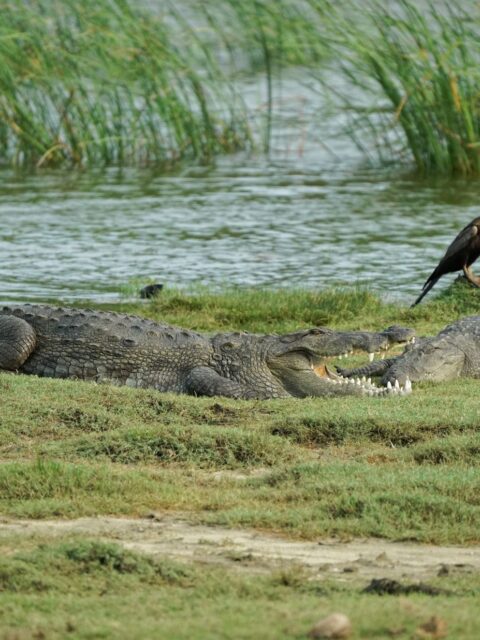
- Humans are the primary threat; young hippos may be preyed upon by lions and crocodiles.
- Defense Mechanisms
- Hippopotamuses have powerful jaws and can be very aggressive when threatened.
- Compatible Animals
- none
- Found in Zoos
- Common