


HISPID COTTON RAT
Sigmodon hispidus
DESCRIPTION
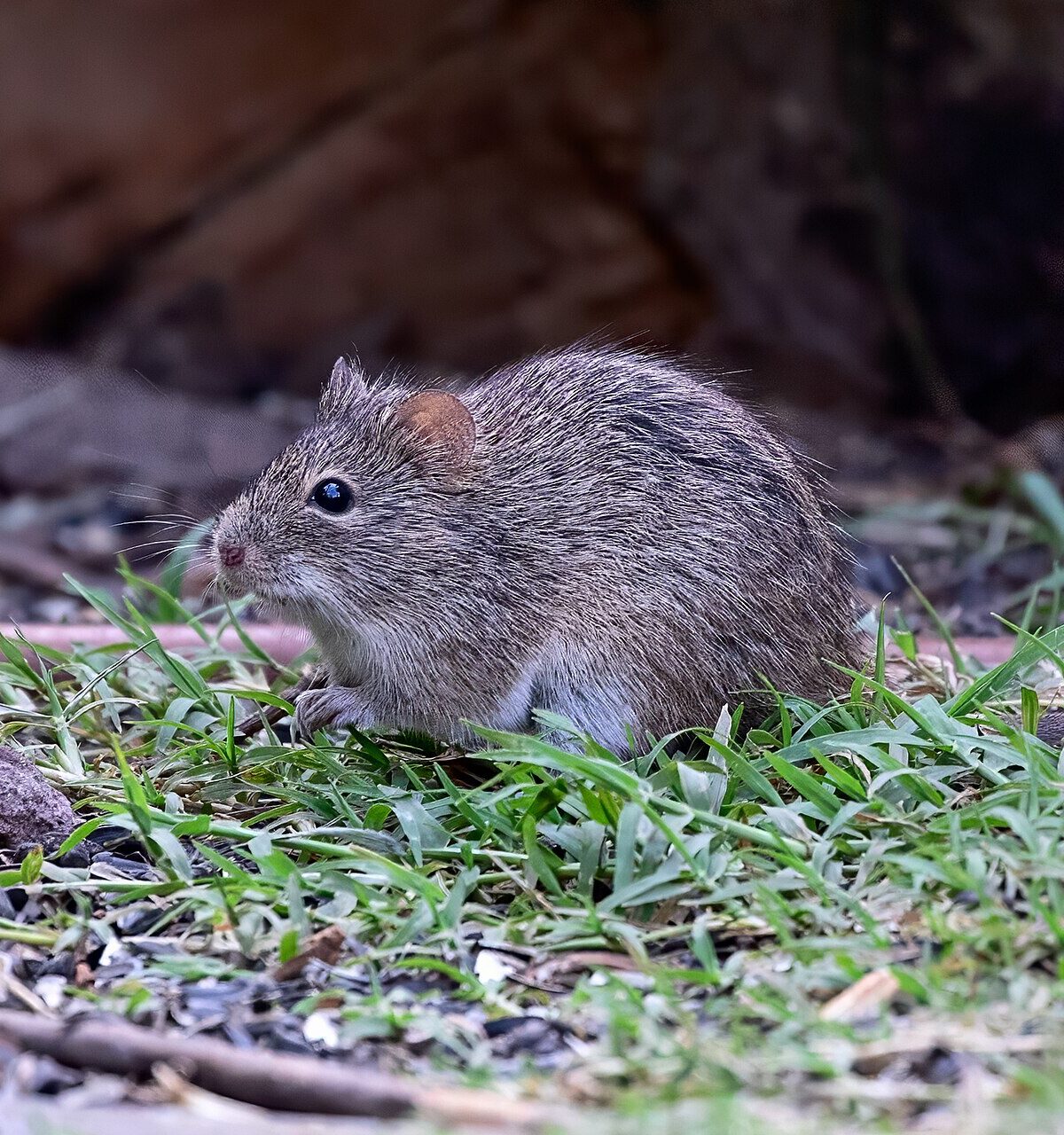
Hispid cotton rat (Sigmodon hispidus) is a medium-sized rodent characterized by its coarse fur and a robust body. It typically has a grayish-brown coloration with a lighter underbelly, and its tail is shorter than its body. This species is primarily nocturnal and is known for its burrowing behavior, often creating extensive tunnel systems in grasslands and wetlands.
FUN FACTS
- Hispid cotton rats are known for their impressive reproductive capabilities, with females able to produce multiple litters each year
- This high reproductive rate helps maintain their populations despite predation and habitat loss
- | These rodents play a significant role in their ecosystems as prey for various predators, and their burrowing activities help aerate the soil, promoting plant growth and health
QUICK INFO
Lifespan1-2 years in the wild, up to 3 years in captivity
Average Weight100-200 g
Average Length20-30 cm
Diet TypeHerbivore
Social Structuresolitary, with occasional groupings during breeding
Activity PatternNocturnal
Breeding SeasonSpring to early fall
- Habitat
- This species prefers habitats such as grasslands, marshes, and agricultural fields where dense vegetation is available for cover. They are often found in areas with moist soil, which supports their burrowing activities.
- Biomes
- Grassland, Wetland
- Native Range
- The Hispid cotton rat is native to the southeastern United States, extending into parts of Mexico and Central America.
- Continent
- North America
- Countries
- United States, Mexico
- Diet
- Hispid cotton rats are primarily herbivorous, feeding on a variety of grasses, seeds, and other plant materials. They may also consume some insects and invertebrates occasionally.
- Diet Type
- Herbivore
- Favorite Food
- grasses, seeds
- Social Structure
- solitary, with occasional groupings during breeding
- Activity Pattern
- Nocturnal
- Group Size
- 1-5
- Territorial
- 1
 CR
CR
 LC
LC
 LC
LC
100-200 g
Weight
20-30 cm
Length
- Coloration
- grayish-brown with a lighter underbelly
- Sexual Dimorphism
- males are generally larger than females
- Lifespan
- 1-2 years in the wild, up to 3 years in captivity
- Gestation Period
- 30 days
- Offspring per Birth
- 3-8
- Sexual Maturity
- 2-3 months
- Breeding Season
- Spring to early fall
LC
Least Concern
IUCN Red List Status
- Population Status
- The population of Hispid cotton rats is considered stable in many areas, although habitat loss poses a threat.
- Wild Population Estimate
- unknown
- Population Trend
- Stable
- Endangered
- 0
- Threats
- Main threats include habitat destruction due to agricultural expansion and urban development. Additionally, predation by domestic cats and other predators can impact local populations.
- Predators
- hawks, owls, snakes, foxes, domestic cats
- Defense Mechanisms
- Hispid cotton rats rely on their burrowing abilities for protection and can quickly escape into their tunnels when threatened.
- Found in Zoos
- Uncommon