


HOG-NOSED BAT
Corynorhinus townsendii
DESCRIPTION
The hog-nosed bat, or Corynorhinus townsendii, is a medium-sized bat characterized by its distinctive hog-like nose and large ears. Its fur is typically a mix of brown and gray, providing excellent camouflage against tree bark. This species is known for its unique roosting habits, often found in caves or abandoned buildings, and it plays a crucial role in the ecosystem as a pollinator and pest controller.
FUN FACTS
- Hog-nosed bats are known for their unique nose structure, which helps them in echolocation and may also play a role in attracting mates
- They are also important for controlling insect populations, as a single bat can consume thousands of insects in one night.| These bats have a fascinating social structure, often roosting in large groups during the day, which helps them maintain warmth and protection from predators
- Their ability to adapt to various roosting sites, including human-made structures, showcases their resilience in changing environments
QUICK INFO
Lifespan10-15 years in the wild
Average Weight8-12 g
Average Length8-10 cm
Diet TypeInsectivore
Social StructureThey are typically found in small groups, often roosting with other bat species.
Activity PatternNocturnal
Breeding SeasonLate spring to early summer
- Habitat
- Hog-nosed bats prefer roosting in dark, secluded areas such as caves, mines, and old buildings. They are often found in forested regions where they can easily access their insect prey.
- Biomes
- Temperate Forest, Grassland
- Native Range
- The hog-nosed bat is native to North America, primarily found in the western United States and parts of Canada.
- Continent
- North America
- Countries
- United States, Canada
- Diet
- Hog-nosed bats primarily feed on moths and other flying insects, which they catch in mid-air using echolocation. They are particularly adept at hunting during the night when their prey is most active.
- Diet Type
- Insectivore
- Favorite Food
- moths
- Social Structure
- They are typically found in small groups, often roosting with other bat species.
- Activity Pattern
- Nocturnal
- Group Size
- 5-50
- Territorial
- 0
 LC
LC
 CR
CR
8-12 g
Weight
8-10 cm
Length
- Coloration
- Brownish-gray fur with lighter underparts.
- Lifespan
- 10-15 years in the wild
- Gestation Period
- 50-60 days
- Offspring per Birth
- 1-2
- Sexual Maturity
- 1 year
- Breeding Season
- Late spring to early summer
LC
Least Concern
IUCN Red List Status
- Population Status
- The population of hog-nosed bats is currently stable, but they face threats from habitat loss.
- Wild Population Estimate
- Unknown
- Population Trend
- Stable
- Endangered
- 0
- Threats
- Main threats include habitat destruction and disturbance of roosting sites, particularly in caves. Pesticide use also poses a risk by reducing their food supply.
- Predators
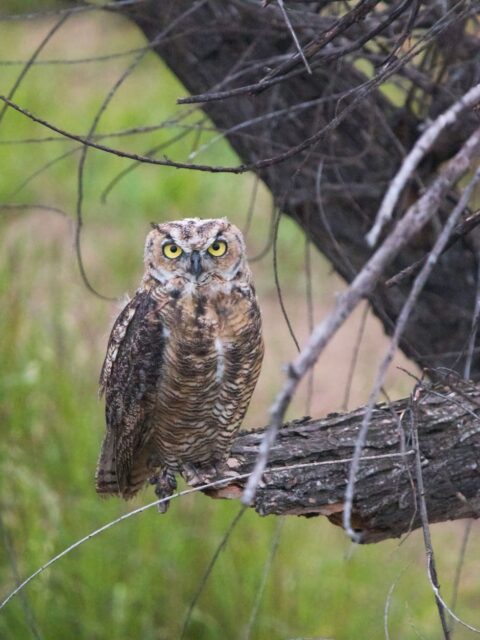
- Great horned owls, hawks, and other birds of prey are known to prey on hog-nosed bats.
- Defense Mechanisms
- Hog-nosed bats use echolocation to navigate and avoid predators, and they can also exhibit evasive flight patterns.
- Found in Zoos
- Uncommon