


HONEY BEE
Apis mellifera
DESCRIPTION
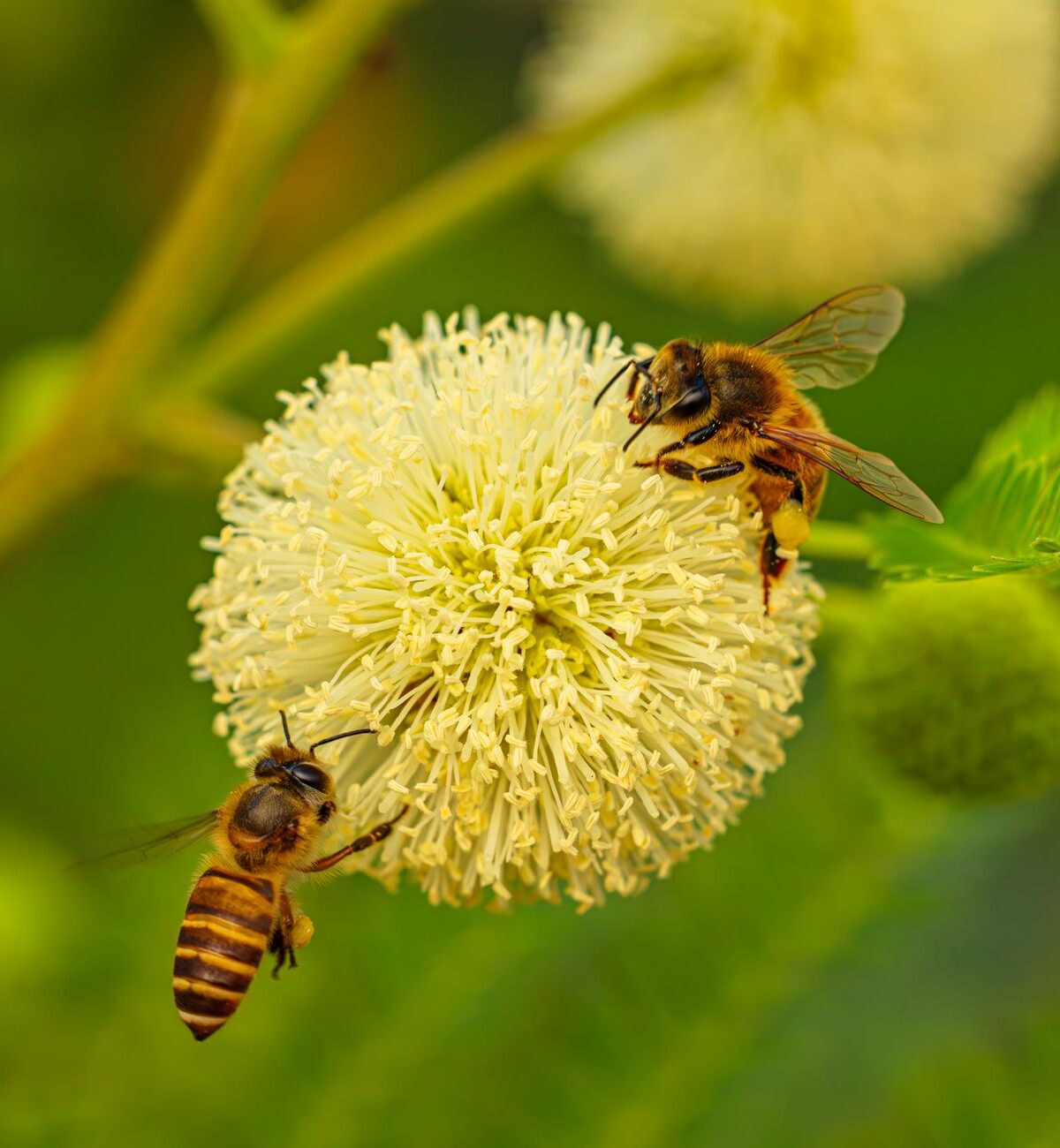
Honey Bee, also known as the Western Honey Bee, is a small, social insect characterized by its yellow and black striped body. They are known for their complex social structure, living in colonies that can consist of thousands of individuals, including a single queen, worker bees, and drones. Honey Bees play a crucial role in pollination, contributing significantly to the ecosystem and agriculture by helping to fertilize plants as they collect nectar and pollen.
FUN FACTS
- Honey Bees communicate with each other through a unique dance known as the waggle dance, which conveys information about the direction and distance of food sources
- Additionally, Honey Bees can recognize human faces, which helps them identify their keepers and navigate their environment effectively
QUICK INFO
LifespanQueen: 3-5 years, Workers: 5-6 weeks, Drones: 8 we
Average Weight0.1-0.2 g
Average Length1.2-1.5 cm
Diet TypeHerbivore
Social StructureHoney Bees live in highly organized colonies, which can be considered a group social structure. Each member has specific roles, such as foragers, nurses, and guards.
Activity PatternDiurnal
Breeding SeasonSpring and Summer
- Habitat
- Honey Bees are commonly found in a variety of habitats, including gardens, forests, and agricultural fields. They thrive in areas with abundant flowering plants.
- Biomes
- Temperate Forest, Grassland, Agricultural Land
- Native Range
- Originally native to Europe, Asia, and Africa, Honey Bees have been introduced to many parts of the world.
- Continent
- Europe, Asia, Africa, North America, South America, Australia
- Countries
- United States, Canada, Australia, United Kingdom, Germany, France, India
- Diet
- Honey Bees primarily feed on nectar and pollen from flowers. They convert nectar into honey, which serves as their energy source.
- Diet Type
- Herbivore
- Favorite Food
- nectar, pollen
- Social Structure
- Honey Bees live in highly organized colonies, which can be considered a group social structure. Each member has specific roles, such as foragers, nurses, and guards.
- Activity Pattern
- Diurnal
- Group Size
- 20,000-80,000
- Territorial
- 0
 VU
VU
 EN
EN
 LC
LC
0.1-0.2 g
Weight
1.2-1.5 cm
Length
- Coloration
- yellow and black striped body
- Sexual Dimorphism
- Drones are larger than workers and have no stingers.
- Lifespan
- Queen: 3-5 years, Workers: 5-6 weeks, Drones: 8 we
- Offspring per Birth
- up to 2,000 eggs per day by the queen
- Sexual Maturity
- about 3 weeks
- Breeding Season
- Spring and Summer
LC
Least Concern
IUCN Red List Status
- Population Status
- Honey Bee populations have been declining in some areas due to various environmental factors.
- Wild Population Estimate
- unknown
- Population Trend
- Decreasing
- Endangered
- 1
- Threats
- Main threats include habitat loss, pesticide exposure, and diseases. These factors have contributed to significant declines in Honey Bee populations worldwide.
- Conservation Program
- Pollinator Partnership, various local beekeeping initiatives
- Predators
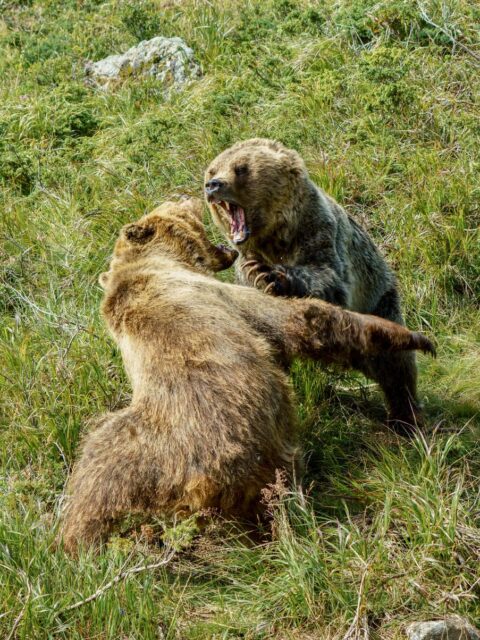
- birds, wasps, bears, and some mammals
- Defense Mechanisms
- Honey Bees defend their hive by stinging intruders, which can be fatal for the bee but protects the colony.
- Compatible Animals
- none
- Found in Zoos
- Uncommon