


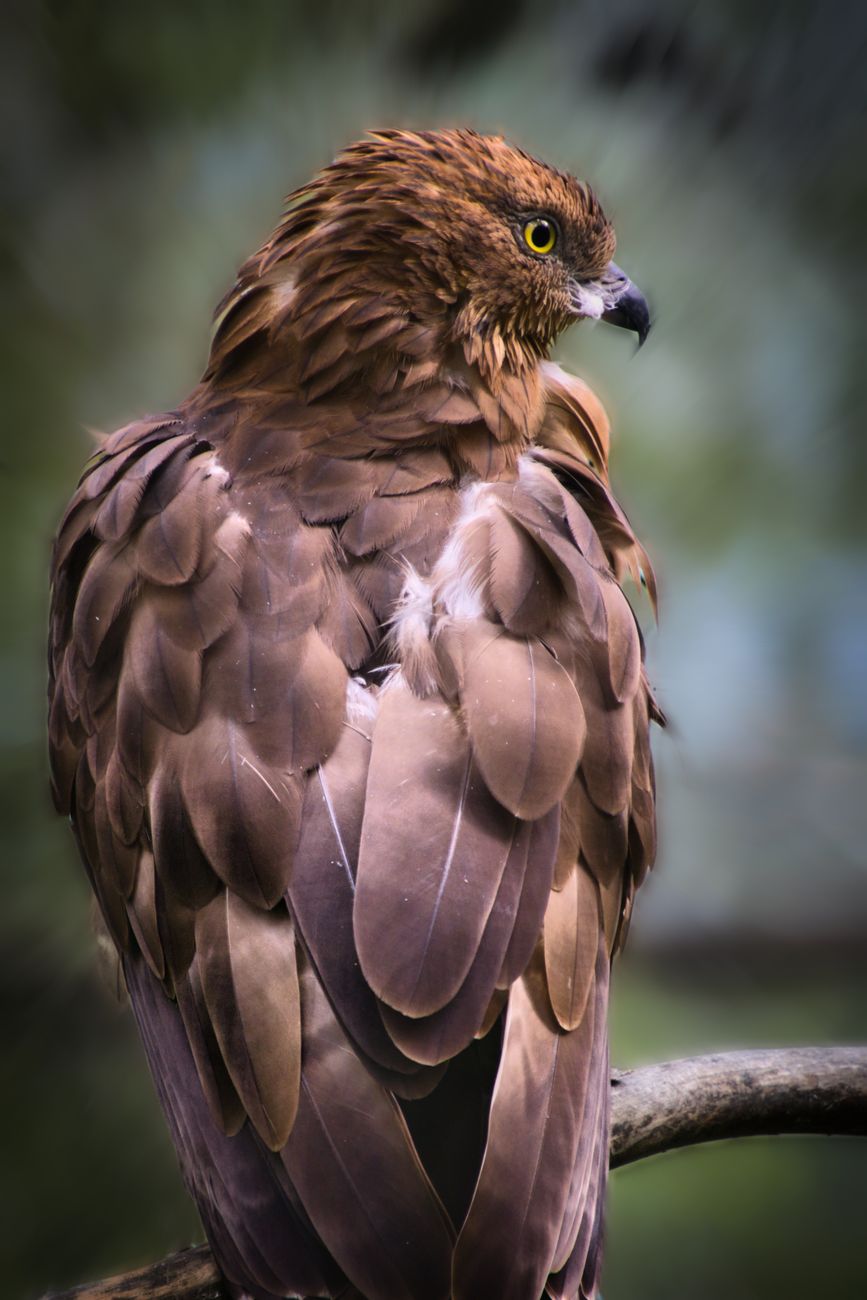
HONEY BUZZARD
Pernis apivorus
DESCRIPTION
Honey Buzzard (Pernis apivorus) is commonly known as the European Honey Buzzard, a medium-sized raptor characterized by its long wings and tail, which give it a distinctive silhouette in flight. This bird exhibits a unique plumage that varies from pale to dark brown, often with a lighter underside and a strikingly patterned head. Honey Buzzards are known for their specialized diet, primarily feeding on honey and larvae, and they exhibit fascinating behaviors such as soaring high in the sky while searching for food.
FUN FACTS
- Honey Buzzards have a unique method of feeding, often using their strong beaks to break into beehives and consume honey and larvae, which is quite rare among raptors
- Additionally, they are known for their impressive migratory journeys, traveling thousands of kilometers between their breeding grounds in Europe and wintering areas in Africa.| The Honey Buzzard's name is somewhat misleading, as it is not a true buzzard but rather belongs to the family of hawks
- This species has a fascinating relationship with bees, as they have evolved to exploit beehives for food, showcasing a remarkable adaptation in their feeding behavior
QUICK INFO
Lifespanup to 15 years in the wild
Average Weight1.2-1.5 kg
Average Length50-60 cm
Diet TypeInsectivore
Social Structuresolitary, pairs during breeding season
Activity PatternDiurnal
Breeding SeasonSpring (April-June)
- Habitat
- Honey Buzzards inhabit a variety of wooded areas, including deciduous and mixed forests, as well as open landscapes with scattered trees. They prefer regions that provide ample food sources and nesting sites.
- Biomes
- Temperate Forest, Grassland
- Native Range
- Honey Buzzards are found across Europe and parts of Asia, migrating to Africa during the winter months.
- Continent
- Europe, Asia, Africa
- Countries
- United Kingdom, France, Germany, Italy, Spain, Greece, Turkey
- Diet
- Honey Buzzards primarily feed on honey, larvae, and other insects, often raiding beehives for their meals.
- Diet Type
- Insectivore
- Favorite Food
- honey, larvae
- Social Structure
- solitary, pairs during breeding season
- Activity Pattern
- Diurnal
- Group Size
- 1-2
- Territorial
- 1
 LC
LC
1.2-1.5 kg
Weight
50-60 cm
Length
- Coloration
- brown with lighter underparts and a distinctive head pattern
- Sexual Dimorphism
- females are generally larger than males
- Lifespan
- up to 15 years in the wild
- Offspring per Birth
- 1-3
- Sexual Maturity
- 2-3 years
- Breeding Season
- Spring (April-June)
LC
Least Concern
IUCN Red List Status
- Population Status
- The population of Honey Buzzards is currently stable, with some regions experiencing increases due to conservation efforts.
- Wild Population Estimate
- 100,000-200,000
- Population Trend
- Stable
- Endangered
- 0
- Threats
- Main threats to Honey Buzzards include habitat loss due to deforestation and agricultural expansion, as well as hunting in some regions. Climate change may also impact their migratory patterns and food availability.
- Predators
- eagles, larger hawks, and humans
- Defense Mechanisms
- Honey Buzzards may use their agility in flight to evade predators and can also display aggressive behavior when threatened.
- Found in Zoos
- Uncommon