


HOODED MERGANSER
Lophodytes cucullatus
DESCRIPTION
The Hooded Merganser is a small, strikingly beautiful duck known for its distinctive crest and unique courtship displays. Males are particularly notable for their bold black and white plumage, while females are more subdued in color.
FUN FACTS
- Hooded Mergansers can rotate their heads 180 degrees to spot prey | They are one of the few duck species that can dive underwater | Males perform elaborate displays to attract females
QUICK INFO
Lifespan5-10 years in the wild, up to 15 in captivity
Average Weight0.5-1.2 kg
Average Length35-50 cm
Diet TypePiscivore
Social Structurepair, often seen in pairs during the breeding season
Activity PatternDiurnal
Breeding SeasonSpring (March-May)
- Habitat
- These ducks inhabit freshwater lakes, rivers, and ponds, often favoring wooded areas with abundant vegetation. They require clean water and suitable nesting sites.
- Biomes
- Freshwater, Temperate Forest
- Native Range
- North America, primarily in the eastern and western United States and parts of Canada.
- Continent
- North America
- Countries
- United States, Canada
- Diet
- Hooded Mergansers primarily feed on fish, crustaceans, and aquatic invertebrates. They are skilled divers, often foraging underwater for their prey.
- Diet Type
- Piscivore
- Favorite Food
- small fish, crustaceans
- Social Structure
- pair, often seen in pairs during the breeding season
- Activity Pattern
- Diurnal
- Group Size
- 1-5
- Territorial
- 1
 LC
LC

 VU
VU
0.5-1.2 kg
Weight
35-50 cm
Length
- Coloration
- Males have a striking black and white head with a distinctive crest, while females are brown with a lighter face.
- Sexual Dimorphism
- Males are more colorful and larger than females.
- Lifespan
- 5-10 years in the wild, up to 15 in captivity
- Offspring per Birth
- 6-15
- Sexual Maturity
- 1 year
- Breeding Season
- Spring (March-May)
LC
Least Concern
IUCN Red List Status
- Population Status
- The population is currently stable, but habitat loss poses a potential threat.
- Wild Population Estimate
- 100,000-200,000
- Population Trend
- Stable
- Endangered
- 0
- Threats
- Main threats include habitat destruction and pollution of water bodies. Climate change may also impact their breeding habitats.
- Predators
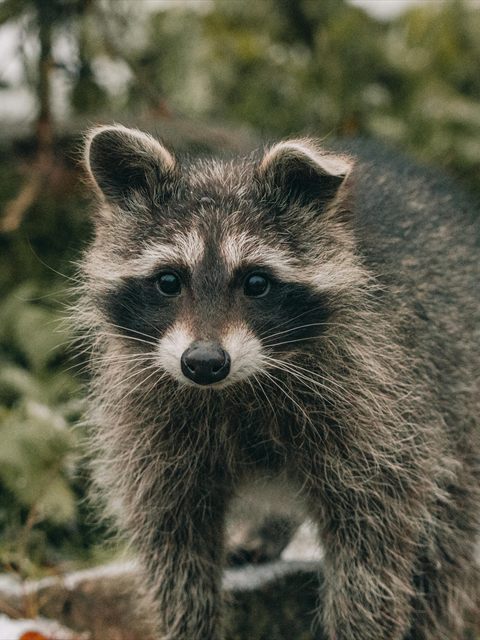
- Raccoons, foxes, and birds of prey
- Defense Mechanisms
- They rely on their ability to dive and evade predators.
- Found in Zoos
- Uncommon