



HUMBOLDT PENGUIN
Spheniscus humboldti
DESCRIPTION
The Humboldt Penguin is a medium-sized penguin characterized by its black and white plumage, with a distinctive band of black feathers across its chest. They have a unique pattern of spots on their face and a pink patch around their eyes, which helps in identification. These penguins are social birds, often found in large colonies, and they exhibit a range of vocalizations to communicate with one another.
FUN FACTS
- Humboldt Penguins are named after the Humboldt Current, which flows along the coast of South America and provides a rich feeding ground for them
- They are also known for their unique social behaviors, such as 'bowing' during courtship, where they face each other and bow repeatedly, which strengthens their pair bonds.|These penguins are excellent swimmers, capable of reaching speeds of up to 15 miles per hour underwater
- Their streamlined bodies and strong flippers allow them to navigate through the water with ease, making them efficient hunters
QUICK INFO
Lifespan10-15 years in the wild, up to 20 years in captivi
Average Weight3-4 kg
Average Length60-70 cm
Diet TypePiscivore
Social StructureThey are social animals that often form large colonies, typically consisting of pairs or small groups.
Activity PatternDiurnal
Breeding SeasonSpring to early summer (September to January)
- Habitat
- Humboldt Penguins inhabit coastal regions, particularly rocky shorelines and islands. They prefer areas with abundant marine life and often nest in burrows or crevices.
- Biomes
- Coastal, Marine
- Native Range
- The native range of the Humboldt Penguin extends along the western coast of South America, from northern Peru to central Chile.
- Continent
- South America
- Countries
- Peru, Chile
- Diet
- Humboldt Penguins primarily feed on fish, squid, and crustaceans. They are skilled divers, capable of reaching depths of up to 100 meters in search of food.
- Diet Type
- Piscivore
- Favorite Food
- anchovies, sardines, and other small fish
- Social Structure
- They are social animals that often form large colonies, typically consisting of pairs or small groups.
- Activity Pattern
- Diurnal
- Group Size
- 20-100
- Territorial
- 0
 LC
LC
 LC
LC
3-4 kg
Weight
60-70 cm
Length
- Coloration
- They have a black back and white belly, with a distinctive black band across the chest.
- Sexual Dimorphism
- Males are generally larger than females.
- Lifespan
- 10-15 years in the wild, up to 20 years in captivi
- Offspring per Birth
- 1-2
- Sexual Maturity
- 2-3 years
- Breeding Season
- Spring to early summer (September to January)
EN
Endangered
IUCN Red List Status
- Population Status
- The population of Humboldt Penguins is currently declining due to various threats.
- Wild Population Estimate
- Approx. 12,000-15,000
- Population Trend
- Decreasing
- Endangered
- 1
- Threats
- Main threats include habitat destruction, overfishing, and climate change, which affect their food supply and nesting sites. Additionally, human disturbances and oil spills pose significant risks to their populations.
- Conservation Program
- Various conservation programs are in place, including habitat protection and breeding programs in captivity.
- Predators
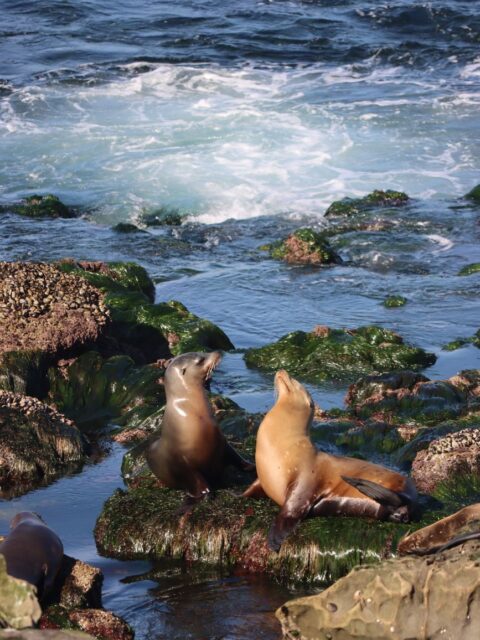
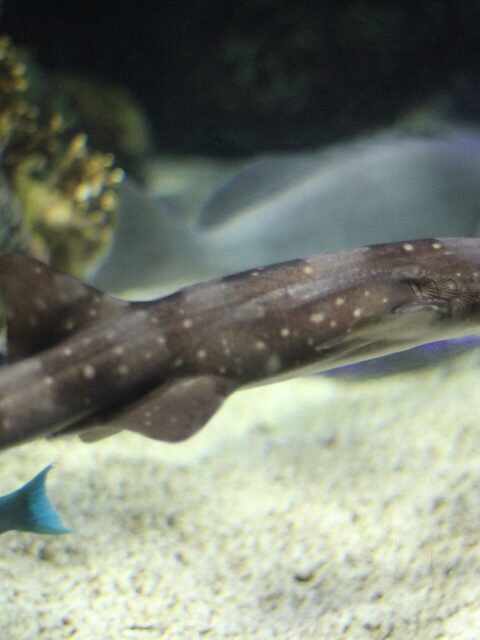
- Sea lions, sharks, and various birds of prey, such as the Andean condor.
- Defense Mechanisms
- Humboldt Penguins use their swimming agility to evade predators and can also vocalize loudly to warn others of danger.
- Found in Zoos
- Common