


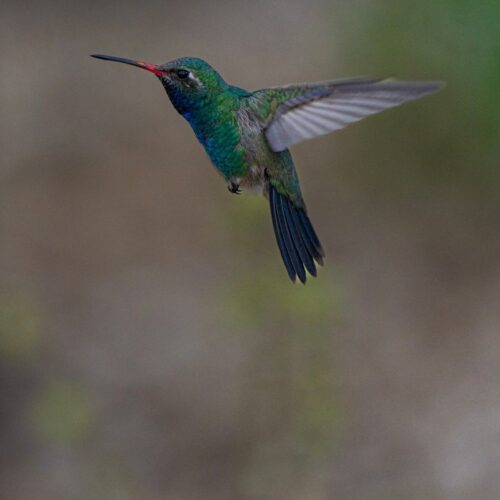
HUMMINGBIRD
DESCRIPTION
Hummingbirds are small, colorful birds known for their incredible flying abilities, including hovering and rapid forward flight. They have iridescent feathers that can display a range of colors depending on the angle of light, making them visually striking. These birds are also known for their high metabolism, requiring them to consume large amounts of nectar and insects to sustain their energy levels.
FUN FACTS
- Hummingbirds are the only birds that can fly backwards, thanks to their unique wing structure and rapid wing beats
- They can flap their wings up to 80 times per second, allowing them to hover in place and maneuver with incredible precision.|Some species of hummingbirds migrate over 3,000 miles from their breeding grounds in North America to wintering areas in Central America
- This migration is one of the longest of any bird species, and they often travel alone
QUICK INFO
Lifespan3-5 years in the wild, up to 10 years in captivity
Average Weight2-4 g
Average Length3-5 inches
Diet TypeOmnivore
Social Structuresolitary, though they may gather in groups at abundant food sources
Activity PatternDiurnal
Breeding SeasonSpring to early summer
- Habitat
- Hummingbirds are typically found in a variety of habitats, including gardens, forests, and grasslands. They prefer areas with abundant flowering plants that provide their primary food source.
- Biomes
- Tropical Rainforest, Temperate Forest, Grassland
- Native Range
- Hummingbirds are native to the Americas, with the highest diversity found in Central and South America.
- Continent
- North America, South America
- Countries
- United States, Mexico, Brazil, Colombia, Ecuador
- Diet
- Hummingbirds primarily feed on nectar from flowers, but they also consume small insects and spiders for protein. Their long, specialized bills allow them to access nectar deep within flowers.
- Diet Type
- Omnivore
- Favorite Food
- nectar, small insects
- Social Structure
- solitary, though they may gather in groups at abundant food sources
- Activity Pattern
- Diurnal
- Group Size
- 1-5
- Territorial
- 1
 EN
EN
2-4 g
Weight
3-5 inches
Length
- Coloration
- iridescent green, blue, red, and purple feathers
- Sexual Dimorphism
- males are often more brightly colored than females
- Lifespan
- 3-5 years in the wild, up to 10 years in captivity
- Offspring per Birth
- 1-3
- Sexual Maturity
- 1 year
- Breeding Season
- Spring to early summer
LC
Least Concern
IUCN Red List Status
- Population Status
- Many species of hummingbirds are common, but some are threatened due to habitat loss.
- Wild Population Estimate
- varies by species, generally in the millions
- Population Trend
- Stable
- Endangered
- 0
- Threats
- Habitat destruction due to urbanization and agricultural expansion poses a significant threat to hummingbird populations. Climate change also affects their migratory patterns and food availability.
- Predators
- praying mantises, spiders, larger birds, and some mammals
- Defense Mechanisms
- Hummingbirds use their agility and speed to evade predators, often performing rapid maneuvers in flight.
- Compatible Animals
- none
- Found in Zoos
- Common