


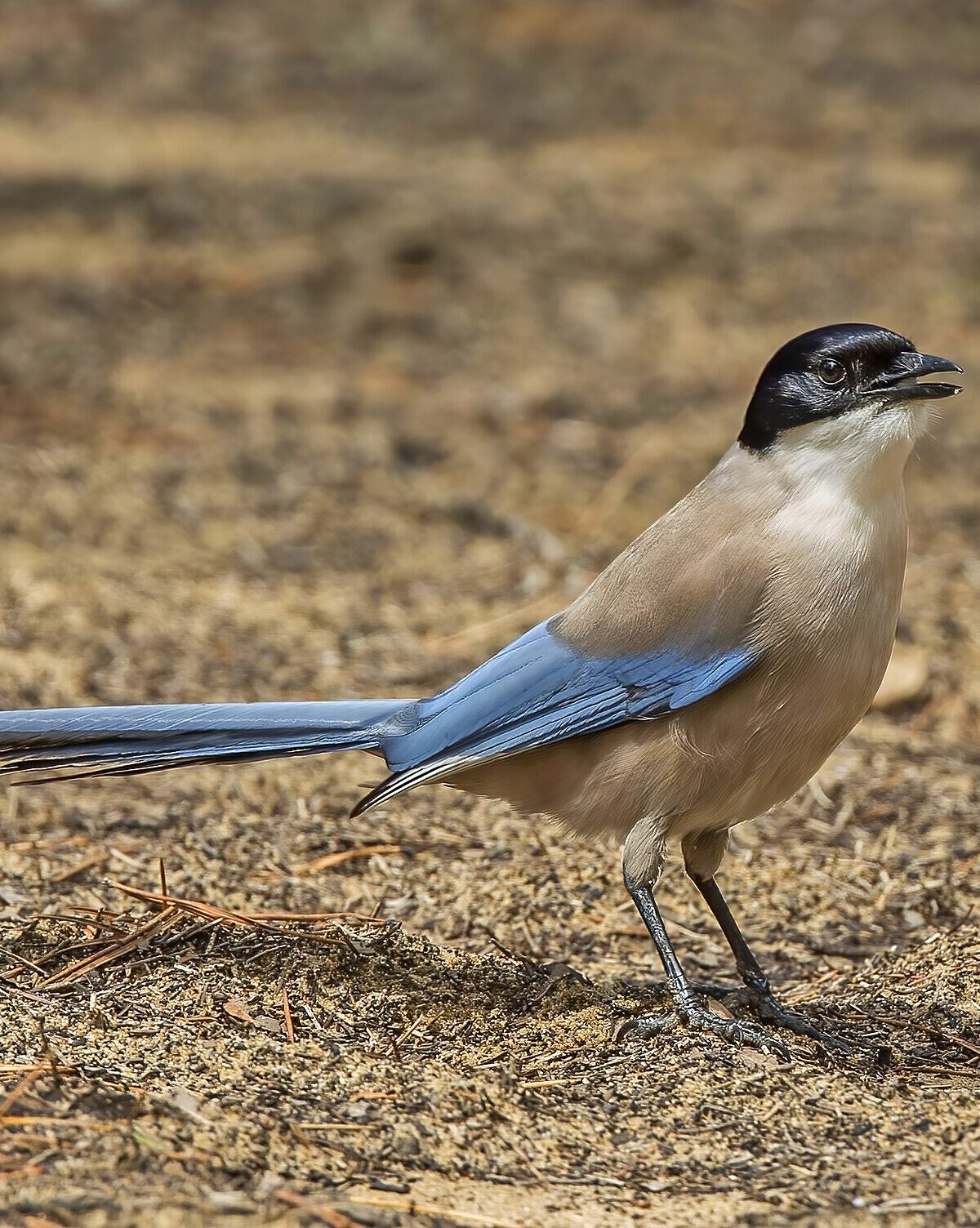
IBERIAN MAGPIE
Cyanopica cooki
DESCRIPTION
Iberian Magpie (Cyanopica cooki) is a striking bird known for its vibrant blue and black plumage, with a distinctive long tail that adds to its elegance. This species exhibits a range of social behaviors, often seen foraging in pairs or small groups, and is known for its intelligence and problem-solving abilities. Inhabiting various habitats, it plays a crucial role in the ecosystem by aiding in seed dispersal and controlling insect populations.
FUN FACTS
- Iberian Magpies are known for their intelligence, often using tools to access food, which is a rare trait among birds
- They also have a unique behavior of burying food items, which helps them survive during leaner times by providing a food cache later on.|These birds are highly social and engage in playful activities, such as chasing each other and playing with objects in their environment
- Their playful nature and intelligence make them a favorite among bird watchers and researchers alike
QUICK INFO
Lifespan5-10 years in the wild, up to 15 in captivity
Average Weight100-150 g
Average Length40-50 cm
Diet TypeOmnivore
Social Structuregroup — they often form small flocks, especially outside of the breeding season.
Activity PatternDiurnal
Breeding SeasonSpring (March-May)
- Habitat
- Iberian Magpies thrive in a range of habitats, including open woodlands, scrublands, and agricultural areas. They prefer regions with ample trees for nesting and foraging.
- Biomes
- Mediterranean Forests, Temperate Forests
- Native Range
- The Iberian Magpie is native to the Iberian Peninsula, primarily found in Spain and Portugal.
- Continent
- Europe
- Countries
- Spain, Portugal
- Diet
- Iberian Magpies are omnivorous, feeding on a variety of foods including insects, fruits, and small vertebrates. They are particularly fond of acorns and other seeds, which they cache for later consumption.
- Diet Type
- Omnivore
- Favorite Food
- insects, fruits, acorns
- Social Structure
- group — they often form small flocks, especially outside of the breeding season.
- Activity Pattern
- Diurnal
- Group Size
- 5-15
- Territorial
- 1
 LC
LC
100-150 g
Weight
40-50 cm
Length
- Coloration
- The Iberian Magpie has a striking coloration with a blue body, black wings, and a long tail, complemented by a white face and underparts.
- Sexual Dimorphism
- males and females are similar in appearance, with no significant differences.
- Lifespan
- 5-10 years in the wild, up to 15 in captivity
- Offspring per Birth
- 3-6
- Sexual Maturity
- 1-2 years
- Breeding Season
- Spring (March-May)
LC
Least Concern
IUCN Red List Status
- Population Status
- The population of Iberian Magpies is currently stable, although they face habitat loss in some areas.
- Wild Population Estimate
- 50,000-100,000
- Population Trend
- Stable
- Endangered
- 0
- Threats
- Main threats include habitat destruction due to agricultural expansion and urbanization. Additionally, they face competition from other bird species and predation by larger birds of prey.
- Predators
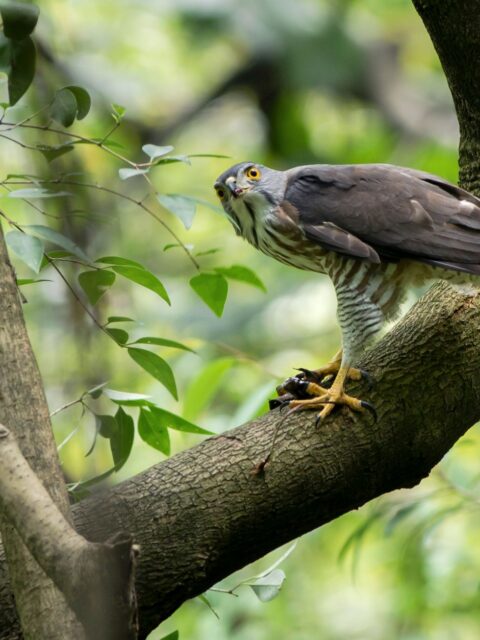
- Eurasian Sparrowhawk, Common Buzzard, various larger mammals
- Defense Mechanisms
- Iberian Magpies use alarm calls to warn others of predators and may mob larger birds of prey to drive them away.
- Found in Zoos
- Uncommon