


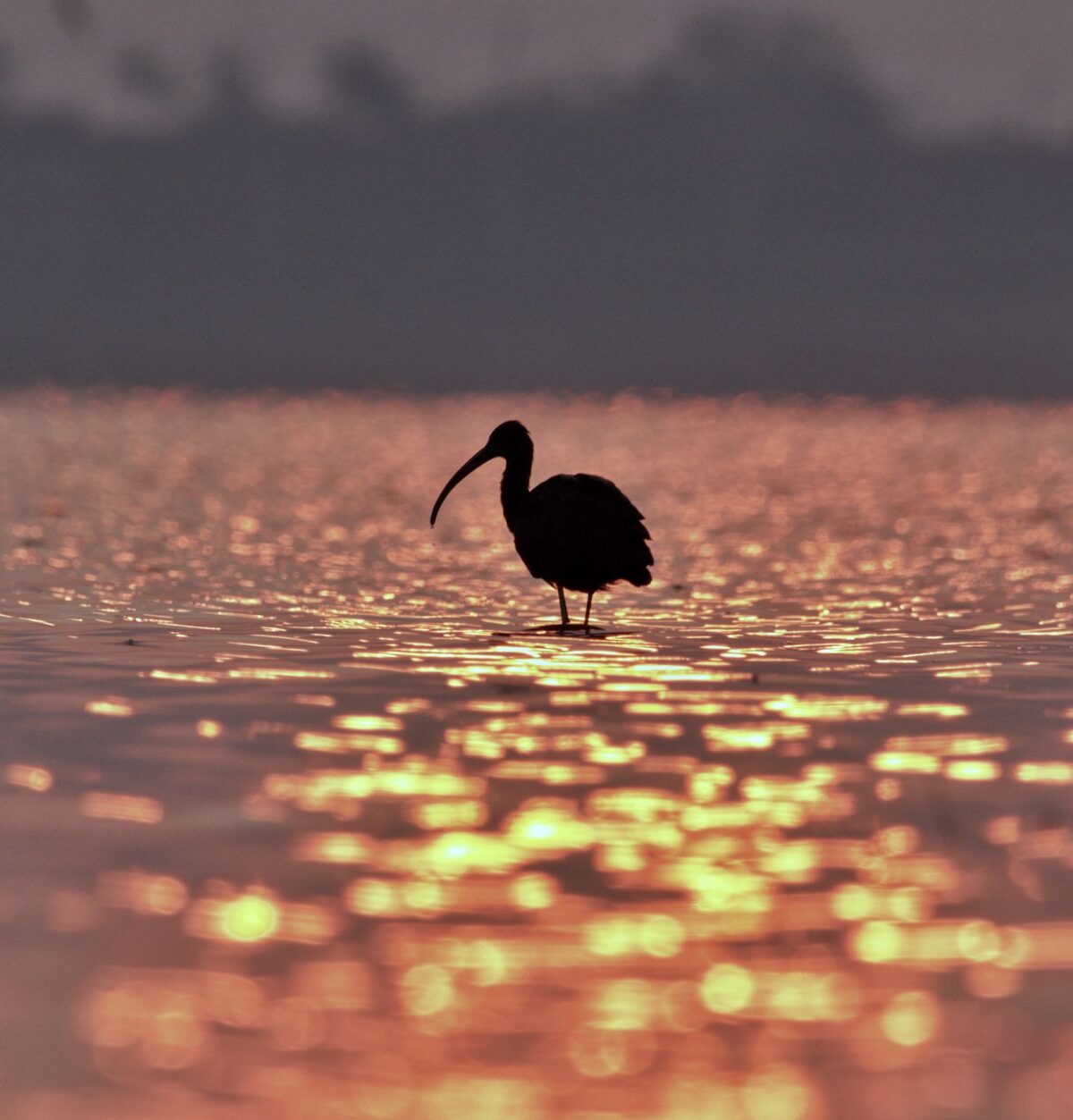
IBIS
DESCRIPTION
Ibis is commonly known as the Sacred Ibis, Glossy Ibis, and White Ibis. These birds are characterized by their long, curved bills, which they use to probe mud and shallow water for food. They typically have long legs and a slender body, with plumage that varies in color depending on the species, ranging from white to iridescent shades of green and purple.
FUN FACTS
- Ibis have been revered in various cultures, particularly in ancient Egypt, where they were associated with the god Thoth
- They were often mummified and buried in tombs as a sign of respect
- | The Sacred Ibis is known for its unique foraging technique, where it uses its long bill to probe into the mud, often working in groups to uncover hidden prey
- This social behavior enhances their foraging efficiency and allows them to thrive in diverse habitats
QUICK INFO
Lifespan10-15 years in the wild, up to 20 years in captivi
Average Weight0.5-3 kg
Average Length0.6-1.0 m
Diet TypeOmnivore
Social Structuregroup — Ibis are often seen in flocks, especially during feeding and nesting.
Activity PatternDiurnal
Breeding SeasonSpring to early summer
- Habitat
- Ibis inhabit wetlands, marshes, and coastal areas. They are often found in both freshwater and saltwater environments, where they can easily access their food sources.
- Biomes
- Wetlands, Coastal
- Native Range
- Ibis species are found across various regions, including Africa, Asia, and the Americas.
- Continent
- Africa, Asia, North America, South America
- Countries
- Egypt, India, United States, Brazil
- Diet
- Ibis primarily feeds on small fish, amphibians, insects, and crustaceans. They forage in shallow waters and mudflats, using their bills to search for prey.
- Diet Type
- Omnivore
- Favorite Food
- insects, small fish, crustaceans
- Social Structure
- group — Ibis are often seen in flocks, especially during feeding and nesting.
- Activity Pattern
- Diurnal
- Group Size
- 10-50
- Territorial
- 0
 VU
VU

0.5-3 kg
Weight
0.6-1.0 m
Length
- Coloration
- varies by species; generally white or dark with iridescent hues
- Lifespan
- 10-15 years in the wild, up to 20 years in captivi
- Offspring per Birth
- 2-5
- Sexual Maturity
- 1-2 years
- Breeding Season
- Spring to early summer
LC
Least Concern
IUCN Red List Status
- Population Status
- Some species of Ibis are common, while others are threatened or endangered due to habitat loss.
- Wild Population Estimate
- 50,000-100,000
- Population Trend
- Stable
- Endangered
- 0
- Threats
- Main threats include habitat destruction, pollution, and hunting. These factors have led to declines in certain Ibis populations, particularly in areas where wetlands are being drained.
- Predators
- Birds of prey, large mammals, and humans can pose threats to Ibis, especially to their eggs and young.
- Defense Mechanisms
- Ibis often rely on their ability to fly away quickly to escape predators.
- Compatible Animals
- flamingos, herons, ducks
- Found in Zoos
- Common