


IBISES
DESCRIPTION
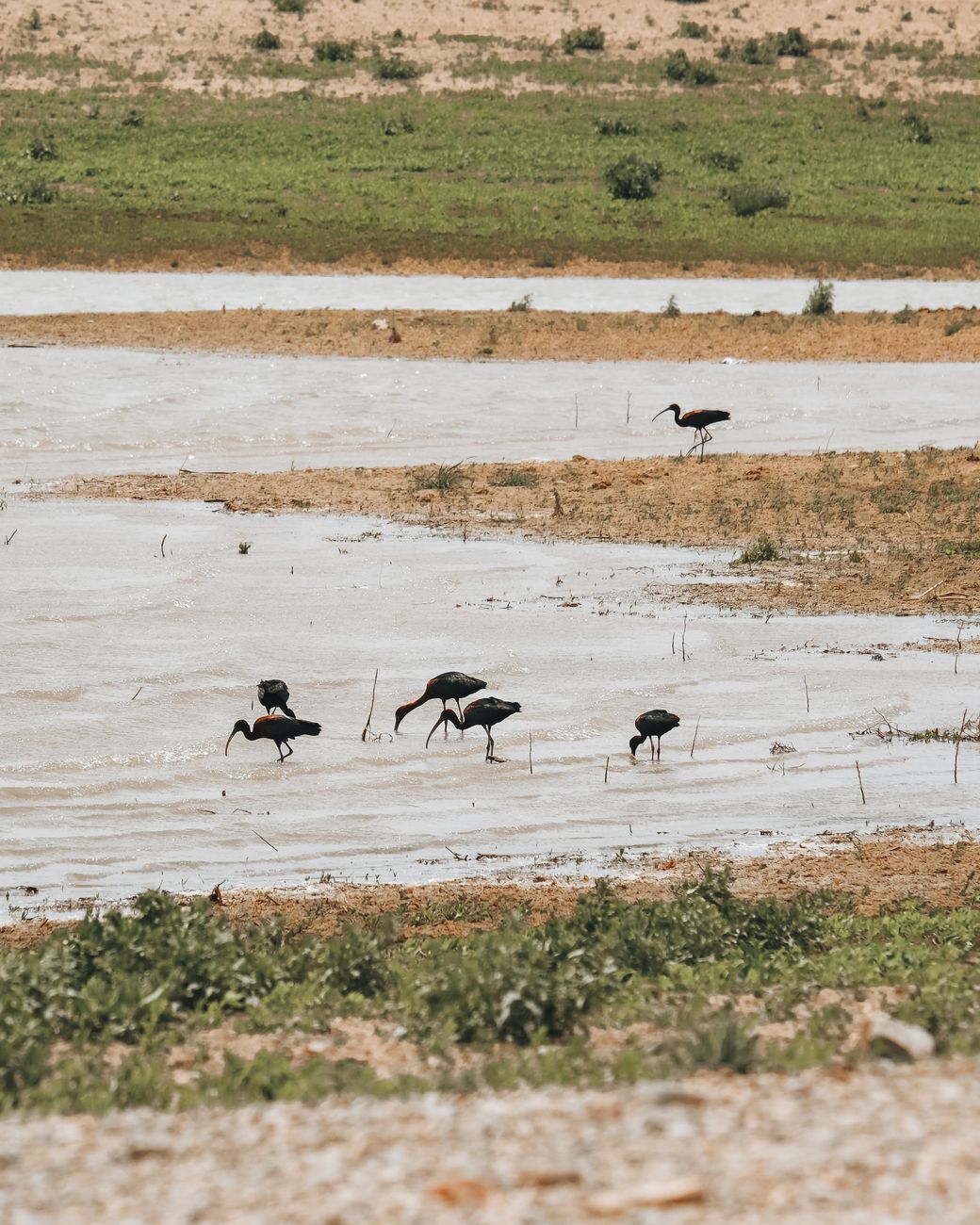
Ibises are wading birds known for their long, curved bills and long legs, which they use to probe mud and shallow water for food. They exhibit a variety of plumage colors, ranging from the striking white of the White Ibis to the iridescent hues of the Glossy Ibis. Socially, ibises are often seen in groups, engaging in cooperative foraging and nesting behaviors, which enhances their survival in diverse habitats.
FUN FACTS
- Ibises have been revered in various cultures, particularly in ancient Egypt, where they were associated with the god Thoth, the deity of wisdom and writing
- Their unique long bills are not just for feeding; they also play a role in their courtship displays, where males will perform elaborate dances to attract females
- | The Sacred Ibis was once so important in ancient Egyptian culture that it was mummified and buried in large numbers, reflecting its significance in religious practices
- Interestingly, ibises are also known for their ability to adapt to urban environments, often seen foraging in parks and gardens
QUICK INFO
Lifespan10-15 years in the wild, up to 20 years in captivi
Average Weight0.5-2 kg
Average Length0.6-1.0 m
Diet TypeOmnivore
Social Structuregroup — ibises are typically seen in flocks, especially during feeding and breeding.
Activity PatternDiurnal
Breeding SeasonSpring to early summer
- Habitat
- Ibises inhabit wetlands, marshes, and coastal areas, where they can find ample food sources. They are often found in both freshwater and saltwater environments.
- Biomes
- Wetlands, Coastal, Marshes
- Native Range
- Ibises are found across various regions, including Africa, North America, and parts of Asia and Australia.
- Continent
- Africa, North America, Asia, Australia
- Countries
- Egypt, United States, Australia, India
- Diet
- Ibises primarily feed on small invertebrates, crustaceans, and fish, which they find in wetland areas. Their long bills allow them to reach into the mud and water to extract their prey.
- Diet Type
- Omnivore
- Favorite Food
- invertebrates, crustaceans, fish
- Social Structure
- group — ibises are typically seen in flocks, especially during feeding and breeding.
- Activity Pattern
- Diurnal
- Group Size
- 10-100
- Territorial
- 0
 VU
VU

 LC
LC
 LC
LC
0.5-2 kg
Weight
0.6-1.0 m
Length
- Coloration
- varies by species; generally includes white, black, and iridescent colors
- Sexual Dimorphism
- males and females are similar in appearance, though males may be slightly larger
- Lifespan
- 10-15 years in the wild, up to 20 years in captivi
- Offspring per Birth
- 2-5
- Sexual Maturity
- 1-2 years
- Breeding Season
- Spring to early summer
LC
Least Concern
IUCN Red List Status
- Population Status
- Some species of ibises are common, while others are threatened due to habitat loss.
- Wild Population Estimate
- 50,000-100,000
- Population Trend
- Stable
- Endangered
- 0
- Threats
- The main threats to ibises include habitat destruction, pollution, and climate change, which affect their wetland habitats. Additionally, hunting and disturbance from human activities can impact their populations.
- Predators
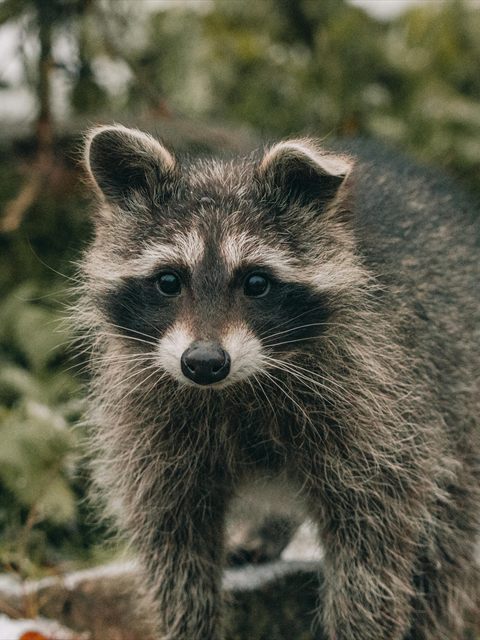
- birds of prey, foxes, raccoons, and large snakes
- Defense Mechanisms
- Ibises often rely on their social structure for protection, using flocking behavior to deter predators.
- Compatible Animals
- other wading birds, ducks, geese
- Found in Zoos
- Common