



IMPALA
Aepyceros melampus
DESCRIPTION
The impala is a medium-sized antelope known for its graceful build and remarkable agility. It has a slender body, long legs, and a distinctive black stripe running down its flanks. Impalas are social animals, often seen in large herds, and are known for their impressive leaps and bounds, which they use to evade predators.
FUN FACTS
- Impala are known for their incredible jumping ability, capable of leaping distances of up to 10 meters and heights of 3 meters
- This remarkable agility helps them evade predators in the wild
- | Impalas have a unique social structure where males establish dominance through displays of strength and agility, often engaging in impressive leaps and runs to impress females and deter rivals
- This behavior is not only a display of fitness but also plays a crucial role in their mating rituals
QUICK INFO
Lifespan10-15 years in the wild, up to 20 years in captivi
Average Weight40-90 kg
Average Length1.2-1.8 m
Diet TypeHerbivore
Social StructureImpala are social animals that live in groups, typically consisting of females and their young, while males may form bachelor groups or be solitary.
Activity PatternDiurnal
Breeding SeasonYear-round, with peaks depending on local conditions
- Habitat
- Impala inhabit a variety of environments, including savannas, woodlands, and grasslands. They prefer areas with access to water and open spaces for grazing.
- Biomes
- Savanna, Grassland, Woodland
- Native Range
- Impala are native to eastern and southern Africa.
- Continent
- Africa
- Countries
- Botswana, South Africa, Namibia, Tanzania, Kenya, Zimbabwe
- Diet
- Impala are herbivores that primarily graze on grasses and browse on leaves and shoots. They are selective feeders, often choosing the most nutritious parts of plants.
- Diet Type
- Herbivore
- Favorite Food
- grasses, leaves, shoots
- Social Structure
- Impala are social animals that live in groups, typically consisting of females and their young, while males may form bachelor groups or be solitary.
- Activity Pattern
- Diurnal
- Group Size
- 10-100
- Territorial
- 0
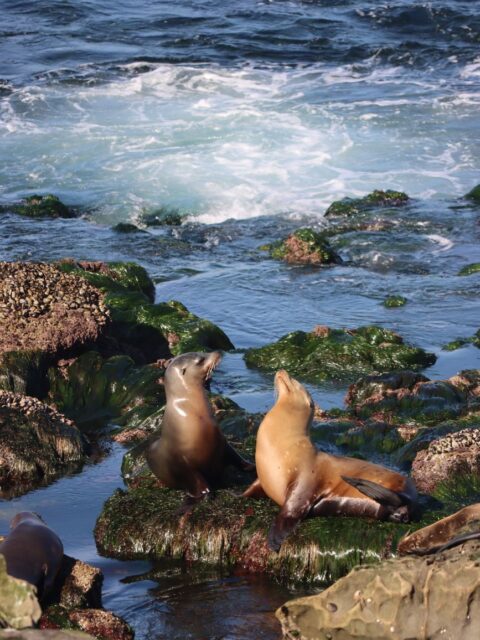 LC
LC
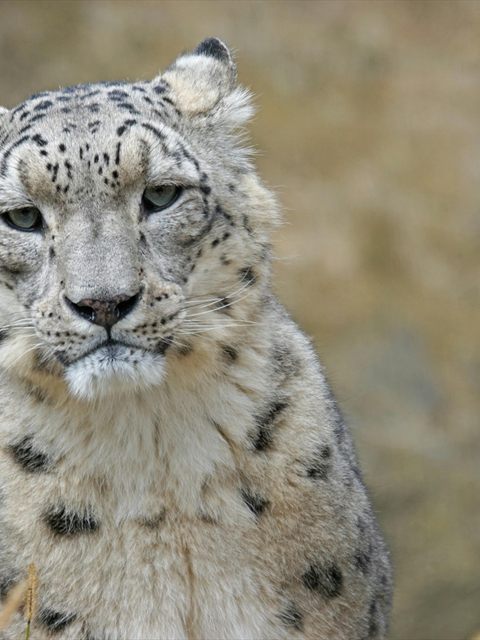 VU
VU
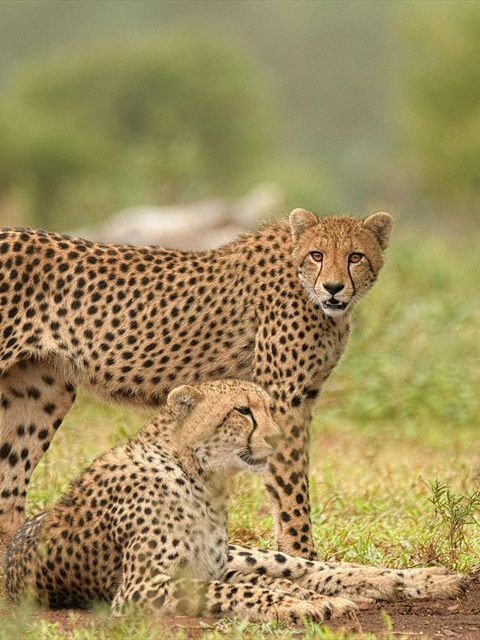 VU
VU
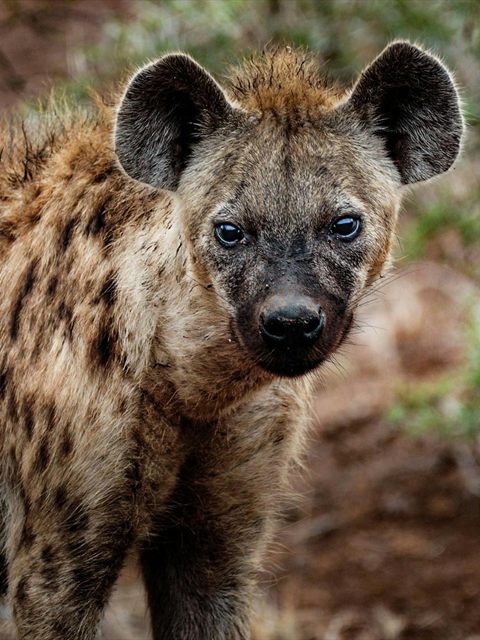 LC
LC
 EN
EN
 VU
VU
40-90 kg
Weight
1.2-1.8 m
Length
0.75-1.0 m at shoulder
Height (Shoulder)
- Coloration
- Impala have a reddish-brown coat with white underparts and distinctive black markings on their face and legs.
- Sexual Dimorphism
- Males are larger than females and have long, curved horns.
- Lifespan
- 10-15 years in the wild, up to 20 years in captivi
- Gestation Period
- 6-7 months
- Offspring per Birth
- 1
- Sexual Maturity
- 1-2 years
- Breeding Season
- Year-round, with peaks depending on local conditions
LC
Least Concern
IUCN Red List Status
- Population Status
- The impala population is currently stable, with large numbers in protected areas.
- Wild Population Estimate
- 1,000,000+
- Population Trend
- Stable
- Endangered
- 0
- Threats
- Main threats to impalas include habitat loss due to agriculture and urban development, as well as poaching. However, they are relatively resilient and adapt well to human-altered landscapes.
- Conservation Program
- Various conservation programs exist in national parks and reserves across their range.
- Predators
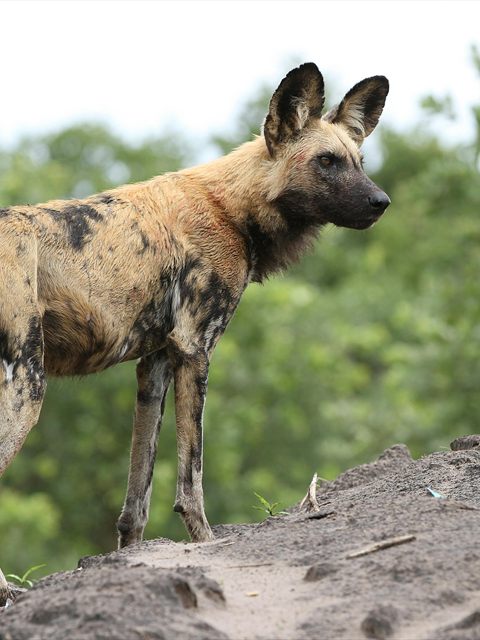
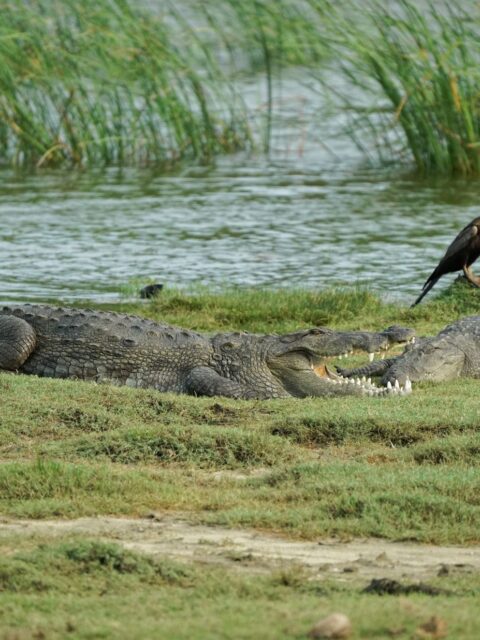
- Lions, leopards, cheetahs, hyenas, wild dogs, and crocodiles.
- Defense Mechanisms
- Impala use their speed and agility to escape predators, often leaping up to 10 feet in the air to evade capture.
- Compatible Animals
- Zebras, wildebeests, various bird species
- Found in Zoos
- Common