


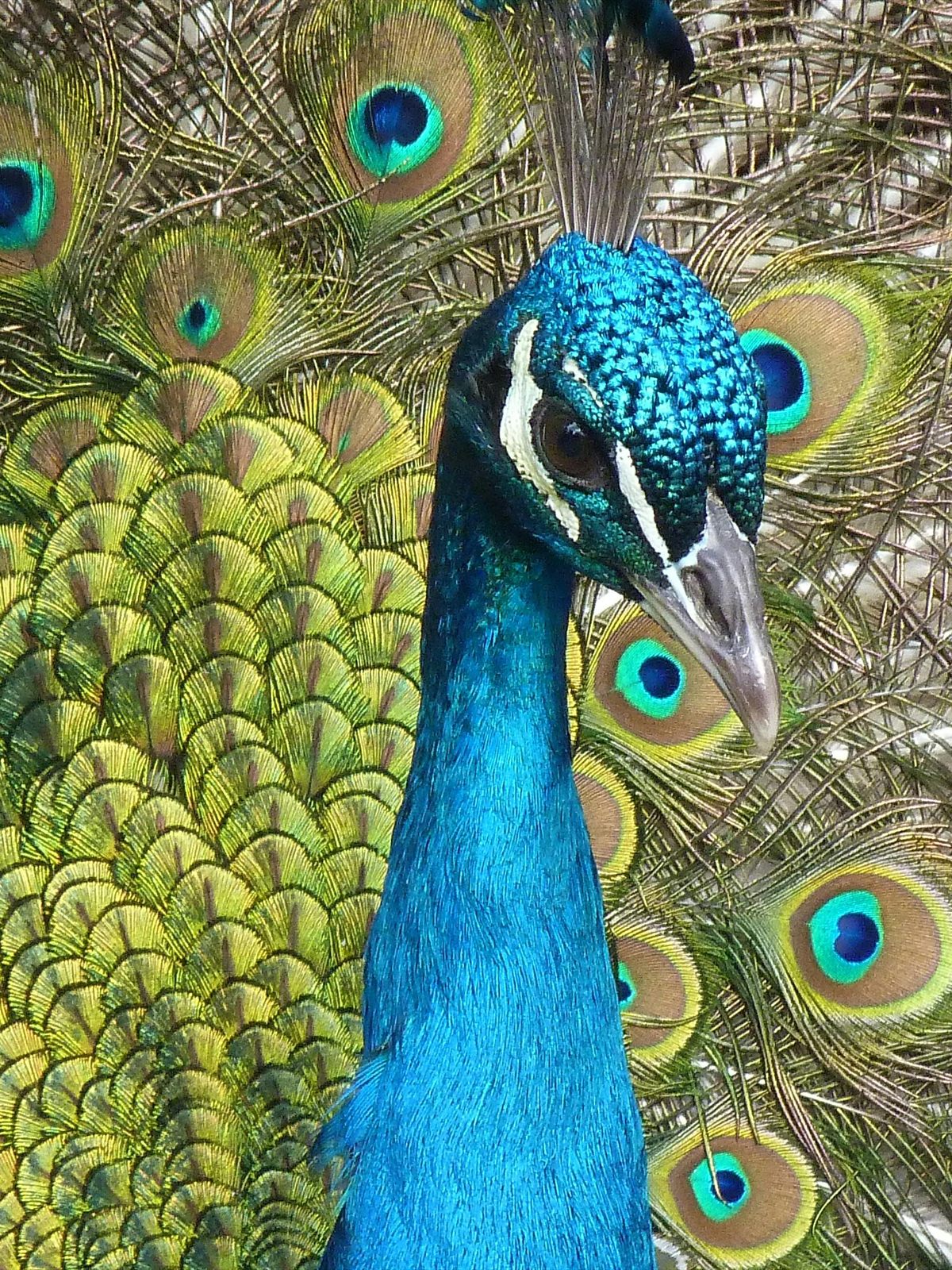
INDIAN PEAFOWL
Pavo cristatus
DESCRIPTION
Also called Peacock, the Indian Peafowl is a large and colorful bird known for its iridescent plumage and striking tail feathers, which can be fanned out in a spectacular display during courtship rituals. Males are particularly notable for their vibrant blue and green feathers, while females, or peahens, are more subdued in coloration, featuring brown and gray tones that provide camouflage. This species is highly social and often found in small groups, displaying complex behaviors and vocalizations that play a role in their social interactions.
FUN FACTS
- The Indian Peafowl is the national bird of India, symbolizing grace and beauty in Indian culture
- Their tail feathers, known as a train, can contain up to 200 eye-shaped patterns, which are used in courtship displays to attract peahens
- | Peafowl are known for their loud calls, which can be heard from a distance and serve as a means of communication among flock members
- Interestingly, they can also mimic the sounds of other birds and animals, showcasing their vocal versatility
QUICK INFO
Lifespan15-20 years in the wild, up to 25 in captivity
Average Weight3-6 kg
Average Length1.5-2.3 m
Diet TypeOmnivore
Social StructureThey are generally social birds, often found in small groups or flocks, especially during foraging and roosting.
Activity PatternDiurnal
Breeding SeasonSpring (March-May)
- Habitat
- Indian Peafowl inhabit a variety of environments, including forests, grasslands, and agricultural areas, often near water sources. They prefer open areas where they can forage for food and display their plumage.
- Biomes
- Tropical Rainforest, Savanna, Grassland
- Native Range
- The native range of the Indian Peafowl includes the Indian subcontinent, particularly India, Sri Lanka, and parts of Southeast Asia.
- Continent
- Asia
- Countries
- India, Sri Lanka, Nepal, Bangladesh, Myanmar
- Diet
- Indian Peafowl primarily feeds on seeds, fruits, insects, and small animals, showcasing an omnivorous diet that allows it to thrive in various environments.
- Diet Type
- Omnivore
- Favorite Food
- seeds, fruits, insects
- Social Structure
- They are generally social birds, often found in small groups or flocks, especially during foraging and roosting.
- Activity Pattern
- Diurnal
- Group Size
- 5-20
- Territorial
- 1
 EN
EN
 VU
VU
 LC
LC
3-6 kg
Weight
1.5-2.3 m
Length
- Coloration
- Males are vibrant blue and green with iridescent tail feathers, while females are brown and gray.
- Sexual Dimorphism
- Males are significantly more colorful and larger than females.
- Lifespan
- 15-20 years in the wild, up to 25 in captivity
- Offspring per Birth
- 3-5
- Sexual Maturity
- 2-3 years
- Breeding Season
- Spring (March-May)
LC
Least Concern
IUCN Red List Status
- Population Status
- The population of Indian Peafowl is currently stable, with a wide distribution across their native range.
- Wild Population Estimate
- 1,000,000+
- Population Trend
- Stable
- Endangered
- 0
- Threats
- Main threats to Indian Peafowl include habitat loss due to deforestation and agricultural expansion, as well as hunting in some areas. However, they are adaptable and can thrive in modified habitats.
- Predators
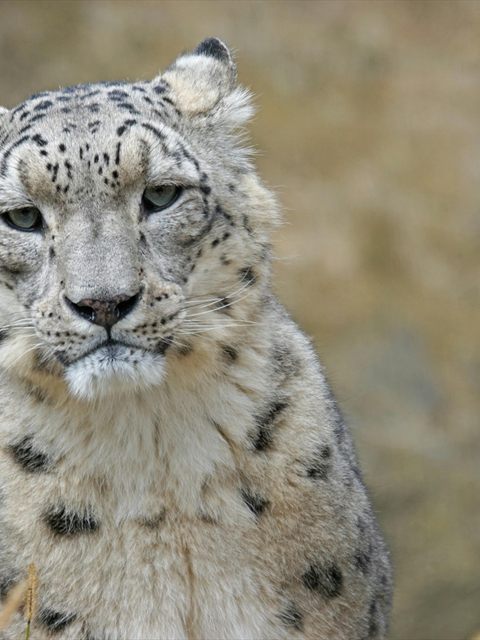
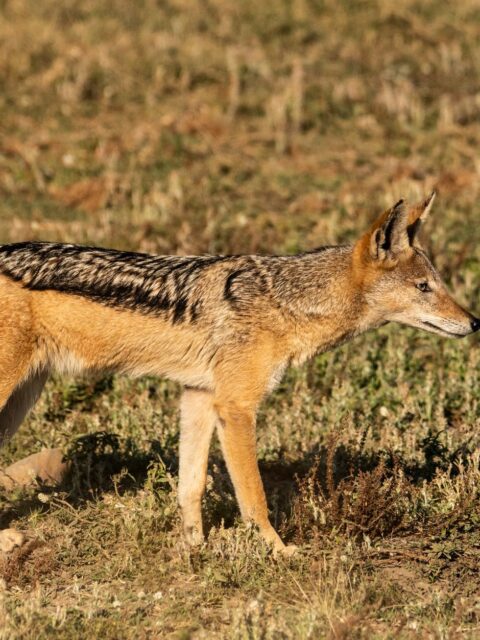
- Tigers, leopards, jackals, and various birds of prey are known to prey on Indian Peafowl.
- Defense Mechanisms
- Indian Peafowl use their impressive tail feathers to display and intimidate potential threats, and they can also take flight to escape predators.
- Found in Zoos
- Common