



INDIAN ROCK PYTHON
Python molurus
DESCRIPTION
The Indian Rock Python is a large non-venomous snake known for its impressive size and distinctive coloration. It typically exhibits a pattern of dark brown and yellow or cream markings, which helps it blend into its natural surroundings. This species is primarily terrestrial but is also an adept climber, often found in trees or near water sources, showcasing its adaptability to various environments.
FUN FACTS
- Indian Rock Pythons are known for their ability to consume prey much larger than their head due to their highly flexible jaws
- They can go for long periods without food, sometimes several months, after consuming a large meal.| These pythons are also known for their impressive swimming abilities, often found in water bodies where they hunt for fish and other aquatic prey
QUICK INFO
Lifespan20-30 years in captivity, 10-15 years in the wild
Average Weight75-150 kg
Average Length3-4 m
Diet TypeCarnivore
Social StructureSolitary, typically only coming together for breeding purposes.
Activity PatternNocturnal
Breeding SeasonSpring (March-May)
- Habitat
- This species inhabits a variety of environments, including forests, grasslands, and wetlands. It prefers areas with ample cover and proximity to water sources.
- Biomes
- Tropical Rainforest, Savanna, Grassland
- Native Range
- The Indian Rock Python is native to the Indian subcontinent, including India, Nepal, and parts of Southeast Asia.
- Continent
- Asia
- Countries
- India, Nepal, Bangladesh, Myanmar, Sri Lanka
- Diet
- The Indian Rock Python is a carnivore that primarily preys on mammals and birds. It uses constriction to subdue its prey before consumption.
- Diet Type
- Carnivore
- Favorite Food
- Rodents, birds, and small mammals
- Social Structure
- Solitary, typically only coming together for breeding purposes.
- Activity Pattern
- Nocturnal
- Group Size
- 1
- Territorial
- 0
 VU
VU
 VU
VU
75-150 kg
Weight
3-4 m
Length
- Coloration
- Dark brown with lighter yellow or cream markings, providing excellent camouflage.
- Sexual Dimorphism
- Males are generally smaller than females.
- Lifespan
- 20-30 years in captivity, 10-15 years in the wild
- Gestation Period
- 60-90 days
- Offspring per Birth
- 20-50
- Sexual Maturity
- 3-4 years
- Breeding Season
- Spring (March-May)
LC
Least Concern
IUCN Red List Status
- Population Status
- The population is currently stable, but habitat loss poses a potential threat.
- Wild Population Estimate
- Unknown
- Population Trend
- Stable
- Endangered
- 0
- Threats
- Main threats include habitat destruction and poaching for skin and meat. Human-wildlife conflict also poses a risk to their survival.
- Predators
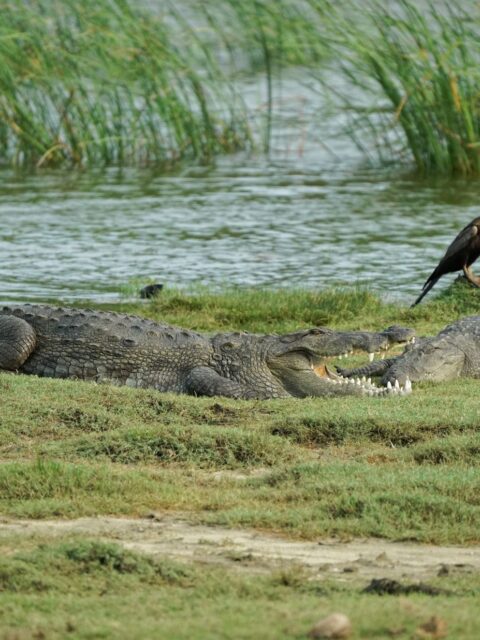
- Large birds of prey, crocodiles, and occasionally larger mammals such as leopards.
- Defense Mechanisms
- When threatened, Indian Rock Pythons may hiss loudly, strike, or attempt to escape. They can also camouflage effectively within their environment.
- Found in Zoos
- Common