


INDIAN RUNNER DUCK
Anas platyrhynchos domesticus
DESCRIPTION
The Indian Runner Duck is a domesticated breed of duck known for its unique upright posture and slender body. Unlike most ducks, they have a distinctive running gait, which makes them appear almost like a small, upright penguin when they move. They are social birds, often found in flocks, and are known for their friendly and curious nature.
FUN FACTS
- Indian Runner Ducks are known for their unique ability to run rather than waddle, which is quite different from most duck breeds
- This running ability is not just for show; it helps them escape from predators quickly
- | They are also famous for their egg-laying capabilities, often producing more eggs than other domestic duck breeds, making them a favorite among poultry enthusiasts
QUICK INFO
Lifespan5-10 years in captivity
Average Weight2-3 kg
Average Length50-70 cm
Diet TypeOmnivore
Social StructureThey are social animals that prefer to live in groups, often forming strong bonds with their companions.
Activity PatternDiurnal
Breeding SeasonSpring (March-May)
- Habitat
- These ducks thrive in a variety of environments, including farms, gardens, and wetlands. They prefer areas with access to water for foraging and swimming.
- Biomes
- Wetlands, Agricultural Land
- Native Range
- Originally from Southeast Asia, particularly Indonesia, but now found worldwide due to domestication.
- Continent
- Asia, Europe, North America, Australia
- Countries
- India, Indonesia, United States, United Kingdom, Australia
- Diet
- Indian Runner Ducks are omnivorous and enjoy a varied diet that includes grains, vegetables, and insects. They are also known to forage for small aquatic organisms.
- Diet Type
- Omnivore
- Favorite Food
- grains, vegetables, insects
- Social Structure
- They are social animals that prefer to live in groups, often forming strong bonds with their companions.
- Activity Pattern
- Diurnal
- Group Size
- 5-30
- Territorial
- 0

 LC
LC
 VU
VU
 LC
LC
2-3 kg
Weight
50-70 cm
Length
- Coloration
- They come in a variety of colors, including white, black, and various shades of brown and gray.
- Sexual Dimorphism
- Males are generally larger and have a more pronounced drake feather than females.
- Lifespan
- 5-10 years in captivity
- Offspring per Birth
- 8-15
- Sexual Maturity
- 5-6 months
- Breeding Season
- Spring (March-May)
LC
Least Concern
IUCN Red List Status
- Population Status
- The population of Indian Runner Ducks is stable due to their popularity as pets and farm animals.
- Population Trend
- Stable
- Endangered
- 0
- Threats
- Main threats include habitat loss and predation by domestic animals. However, they are not currently facing significant threats due to their domesticated status.
- Predators
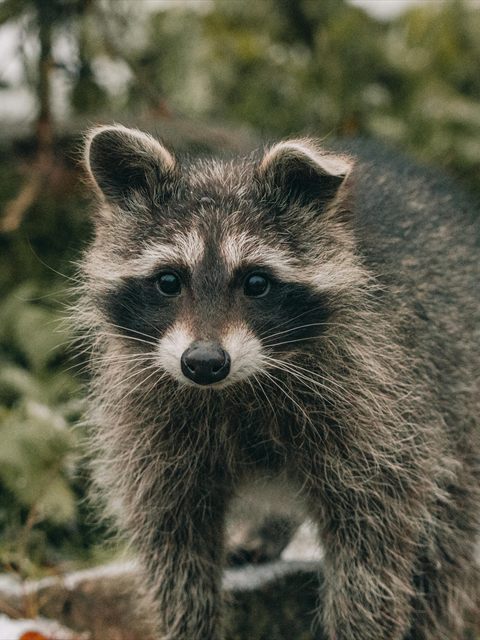
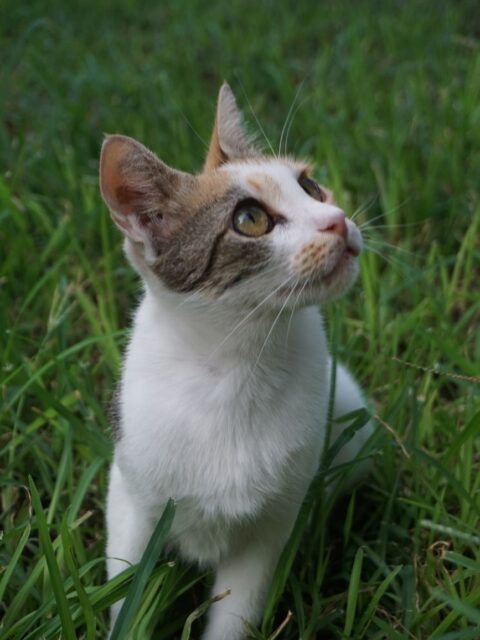
- Foxes, raccoons, birds of prey, domestic cats and dogs
- Defense Mechanisms
- They rely on their speed and agility to escape predators, often running away quickly when threatened.
- Compatible Animals
- Chickens, geese, other ducks
- Found in Zoos
- Uncommon