


INDONESIAN BLUE-TONGUED SKINK
Tiliqua gigas
DESCRIPTION
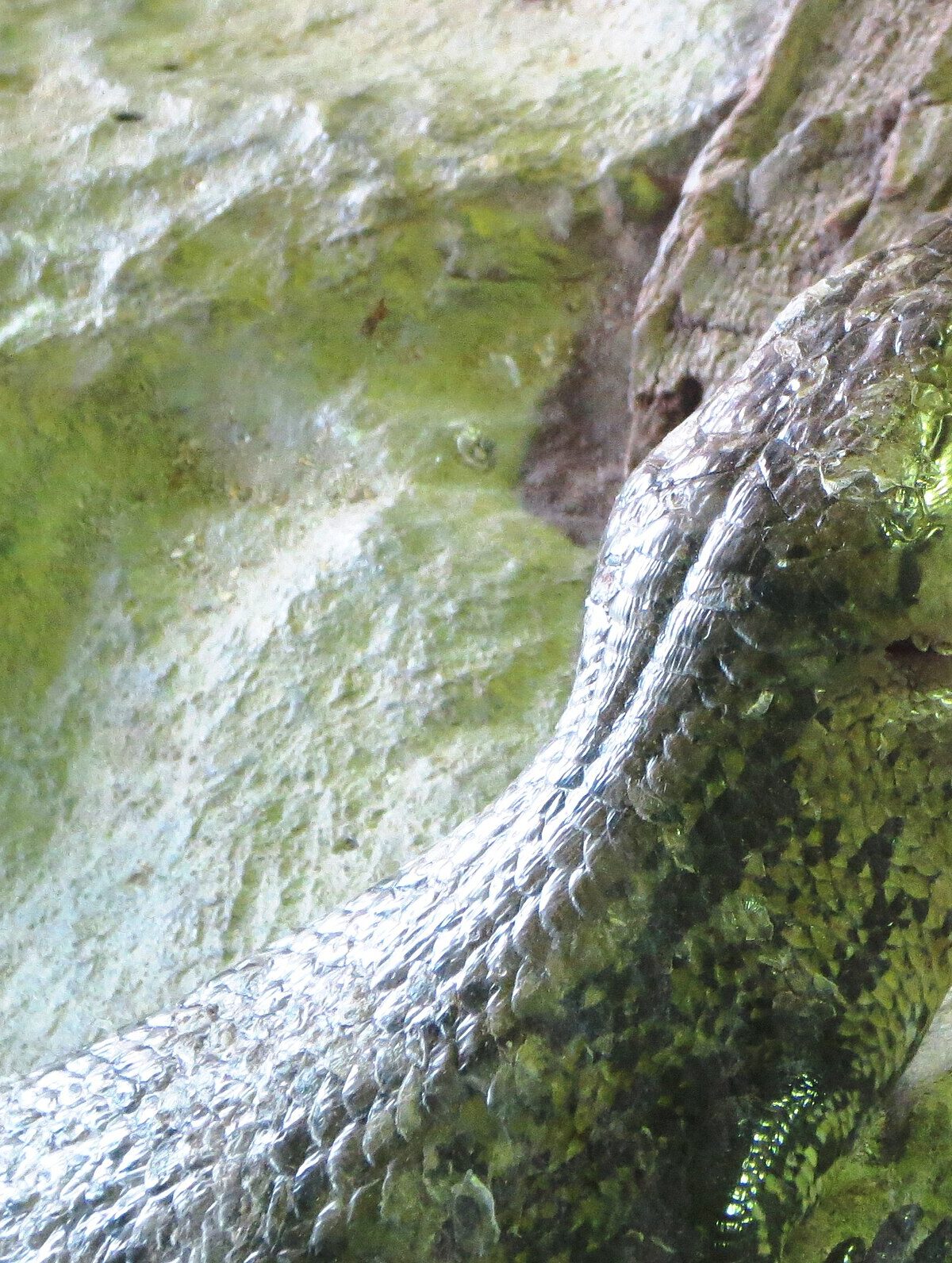
Indonesian Blue-Tongued Skink (Tiliqua gigas) is commonly known as the Blue-Tongue Skink due to its distinctive blue tongue, which it displays as a defense mechanism against predators. This species has a robust body with smooth, shiny scales and can vary in color from brown to gray, often with lighter stripes or spots. They are primarily terrestrial and are known for their docile nature, making them popular in the pet trade.
FUN FACTS
- The blue tongue of the Indonesian Blue-Tongued Skink is not just for show; it serves as a warning to potential predators, signaling that the skink is not palatable
- Additionally, these skinks can shed their tails as a defense mechanism, allowing them to escape while the predator is distracted by the detached tail.|These skinks are known for their calm demeanor, making them popular pets
- They can be easily handled and are often seen basking in the sun, which is essential for their thermoregulation
QUICK INFO
Lifespan10-15 years in the wild, up to 20 years in captivi
Average Weight1-2 kg
Average Length40-60 cm
Diet TypeOmnivore
Social Structuresolitary
Activity PatternDiurnal
Breeding SeasonSpring (September-November)
- Habitat
- Indonesian Blue-Tongued Skinks inhabit a range of environments, including forests, grasslands, and scrublands. They prefer areas with ample cover and places to burrow.
- Biomes
- Tropical Rainforest, Savanna
- Native Range
- This species is native to Indonesia, particularly found on the islands of New Guinea and surrounding areas.
- Continent
- Asia
- Countries
- Indonesia, Papua New Guinea
- Diet
- They are omnivorous, feeding on a variety of plant matter, insects, and small invertebrates.
- Diet Type
- Omnivore
- Favorite Food
- fruits, vegetables, insects
- Social Structure
- solitary
- Activity Pattern
- Diurnal
- Group Size
- 1
- Territorial
- 0
 VU
VU
 LC
LC
1-2 kg
Weight
40-60 cm
Length
- Coloration
- Typically brown or gray with lighter stripes or spots.
- Sexual Dimorphism
- Males are generally larger and have broader heads than females.
- Lifespan
- 10-15 years in the wild, up to 20 years in captivi
- Offspring per Birth
- 2-10
- Sexual Maturity
- 2-3 years
- Breeding Season
- Spring (September-November)
LC
Least Concern
IUCN Red List Status
- Population Status
- The population is currently stable, but habitat loss poses a potential threat.
- Population Trend
- Stable
- Endangered
- 0
- Threats
- Main threats include habitat destruction due to deforestation and human encroachment. Additionally, they are sometimes collected for the pet trade.
- Predators
- Birds of prey, snakes, and larger mammals may prey on them.
- Defense Mechanisms
- They display a blue tongue and hiss to deter predators.
- Found in Zoos
- Common