


JACKRABBITS
DESCRIPTION
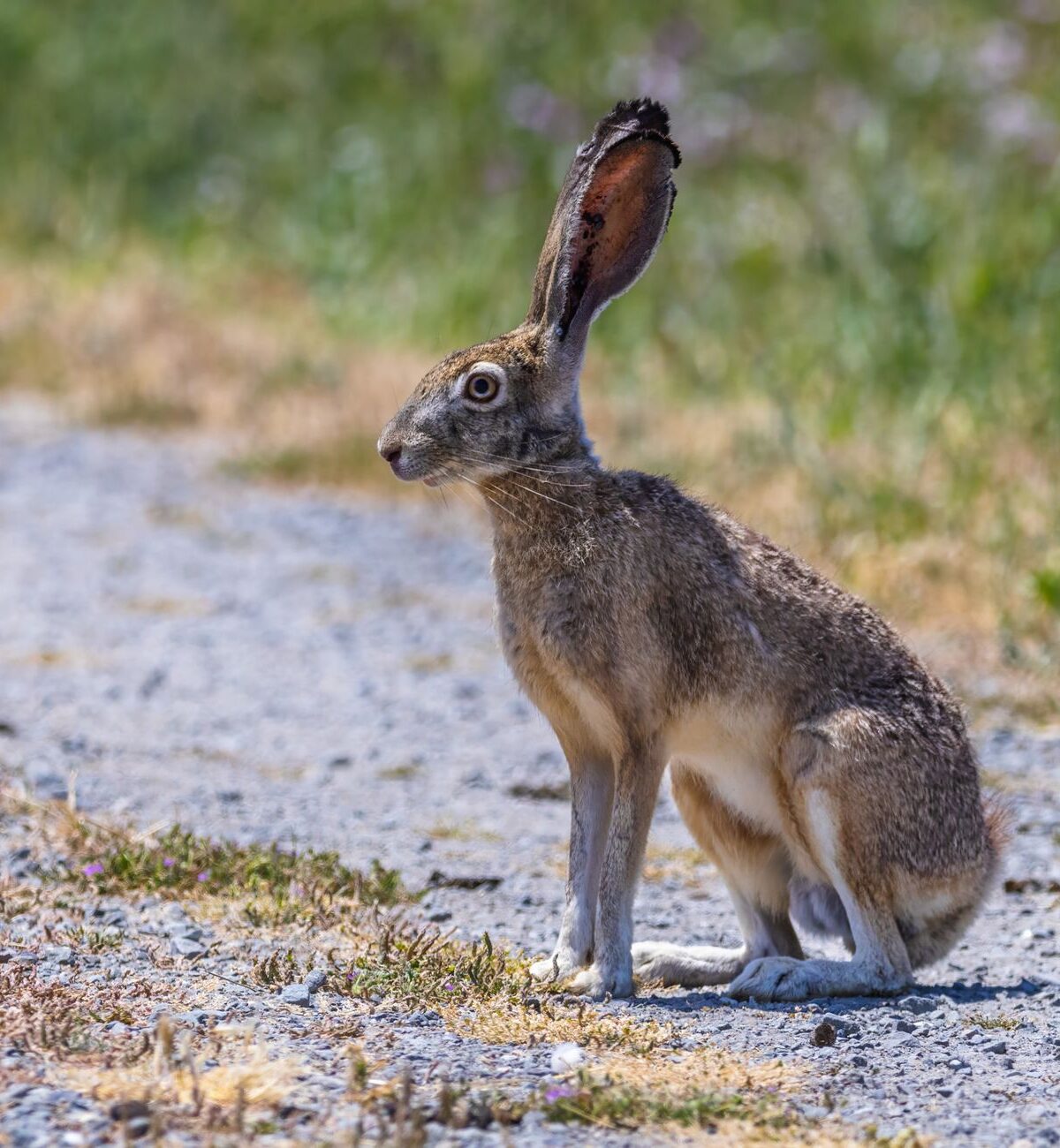
Jackrabbits, commonly known as the Desert Hare and Black-tailed Jackrabbit, are large hares characterized by their long ears and powerful hind legs. They possess a distinctive coloration, typically featuring a mix of brown, gray, and white fur that helps them blend into their surroundings. These animals are known for their incredible speed and agility, which they use to evade predators in their open habitats.
FUN FACTS
- Jackrabbits can reach speeds of up to 45 miles per hour, making them one of the fastest land animals in North America
- Their long ears are not just for hearing; they also help regulate their body temperature by dissipating heat
- | Unlike true rabbits, jackrabbits do not dig burrows; instead, they create shallow nests in the grass where they rest and hide from predators
- They are also known for their unique behavior of 'boxing' with their front paws when threatened, which is a display of aggression
QUICK INFO
Lifespan1-3 years in the wild, up to 5 years in captivity
Average Weight1.5-5 kg
Average Length40-60 cm
Diet TypeHerbivore
Social Structuresolitary, occasionally seen in pairs during breeding
Activity PatternCrepuscular
Breeding SeasonSpring to early summer
- Habitat
- Jackrabbits inhabit open areas such as grasslands, deserts, and scrublands where they can easily escape from predators. They prefer habitats with ample vegetation for food and cover.
- Biomes
- Grassland, Desert
- Native Range
- Jackrabbits are native to North America, particularly found in the western United States and parts of Mexico.
- Continent
- North America
- Countries
- United States, Mexico
- Diet
- Jackrabbits primarily feed on a variety of grasses, herbs, and shrubs, making them herbivorous grazers. They are known to consume a wide range of plant materials depending on seasonal availability.
- Diet Type
- Herbivore
- Favorite Food
- grasses, herbs, shrubs
- Social Structure
- solitary, occasionally seen in pairs during breeding
- Activity Pattern
- Crepuscular
- Group Size
- 1-2
- Territorial
- 0
 CR
CR
 LC
LC
LC
LC
1.5-5 kg
Weight
40-60 cm
Length
- Coloration
- brown and gray fur with white underparts
- Sexual Dimorphism
- males are generally smaller than females
- Lifespan
- 1-3 years in the wild, up to 5 years in captivity
- Gestation Period
- 42-46 days
- Offspring per Birth
- 2-6
- Sexual Maturity
- 6-12 months
- Breeding Season
- Spring to early summer
LC
Least Concern
IUCN Red List Status
- Population Status
- Jackrabbit populations can fluctuate significantly based on environmental conditions and predation.
- Wild Population Estimate
- unknown
- Population Trend
- Stable
- Endangered
- 0
- Threats
- Main threats to jackrabbits include habitat loss due to urban development and agriculture, as well as predation by various carnivores. They are also susceptible to diseases such as tularemia.
- Predators
- Coyotes, foxes, hawks, eagles, and domestic dogs
- Defense Mechanisms
- Jackrabbits rely on their speed and agility to escape predators, often using zigzag patterns to evade capture.
- Found in Zoos
- Uncommon