


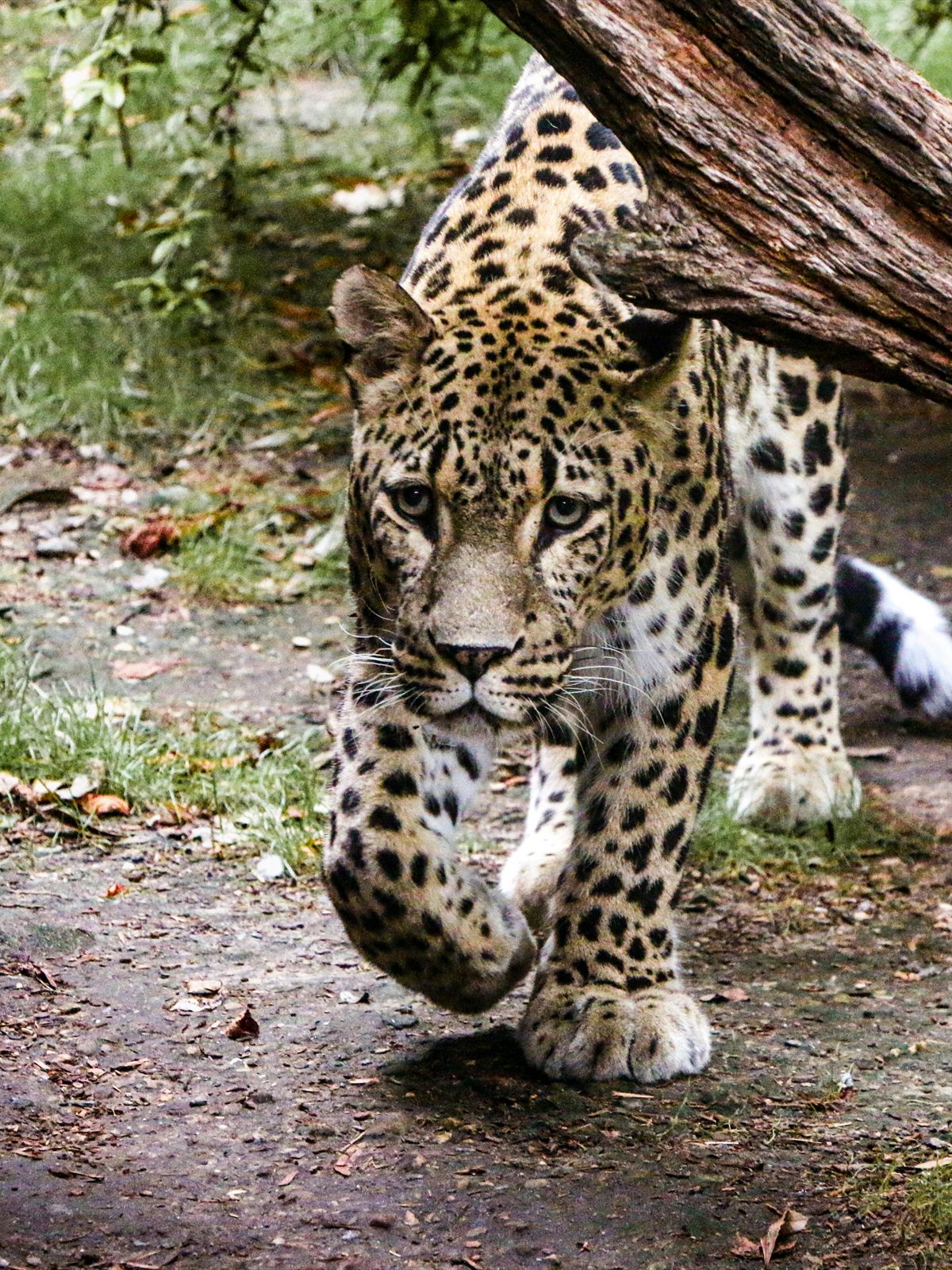
JAGUAR
Panthera onca
DESCRIPTION
The jaguar is a large feline species native to the Americas, known for its powerful build and distinctive coat pattern. It is the largest cat in the Americas and the third-largest cat in the world.
FUN FACTS
- Jaguars have the strongest bite of all big cats | They can swim well and often hunt aquatic animals | The name 'jaguar' comes from the indigenous word 'yaguar', meaning 'he who kills with one leap'
QUICK INFO
Lifespan12-15 years in the wild, up to 20-25 in captivity
Average Weight56-96 kg
Average Length1.2-1.9 m
Diet TypeCarnivore
Social StructureSolitary, males and females come together only for mating.
Activity PatternNocturnal
Breeding SeasonYear-round, peaks vary by region
- Habitat
- Jaguars inhabit a variety of environments, including tropical rainforests, savannas, and wetlands. They prefer areas with dense vegetation for stalking prey.
- Biomes
- Tropical Rainforest, Savanna, Wetland
- Native Range
- Jaguars are found throughout Central and South America, from Mexico to Argentina.
- Continent
- North America, South America
- Countries
- Mexico, Brazil, Argentina, Colombia, Peru, Venezuela
- Diet
- Jaguars are carnivorous and primarily hunt large prey. They are known for their ability to take down animals such as deer, capybaras, and even caimans.
- Diet Type
- Carnivore
- Favorite Food
- Deer, capybaras, caimans
- Social Structure
- Solitary, males and females come together only for mating.
- Activity Pattern
- Nocturnal
- Group Size
- 1
- Territorial
- 1
56-96 kg
Weight
1.2-1.9 m
Length
- Coloration
- Tan or yellow coat with black rosettes and spots.
- Sexual Dimorphism
- Males are generally larger than females.
- Lifespan
- 12-15 years in the wild, up to 20-25 in captivity
- Gestation Period
- 93-105 days
- Offspring per Birth
- 1-4
- Sexual Maturity
- 2-3 years
- Breeding Season
- Year-round, peaks vary by region
NT
Near Threatened
IUCN Red List Status
- Population Status
- The jaguar population is declining due to habitat loss and poaching.
- Wild Population Estimate
- 15,000-20,000
- Population Trend
- Decreasing
- Endangered
- 1
- Threats
- Main threats include habitat destruction, poaching, and conflicts with humans. Deforestation is a significant issue in their range.
- Conservation Program
- Jaguar conservation programs in various countries focus on habitat protection and anti-poaching efforts.
- Defense Mechanisms
- Jaguars have powerful jaws and sharp claws, allowing them to defend themselves effectively.
- Found in Zoos
- Common