


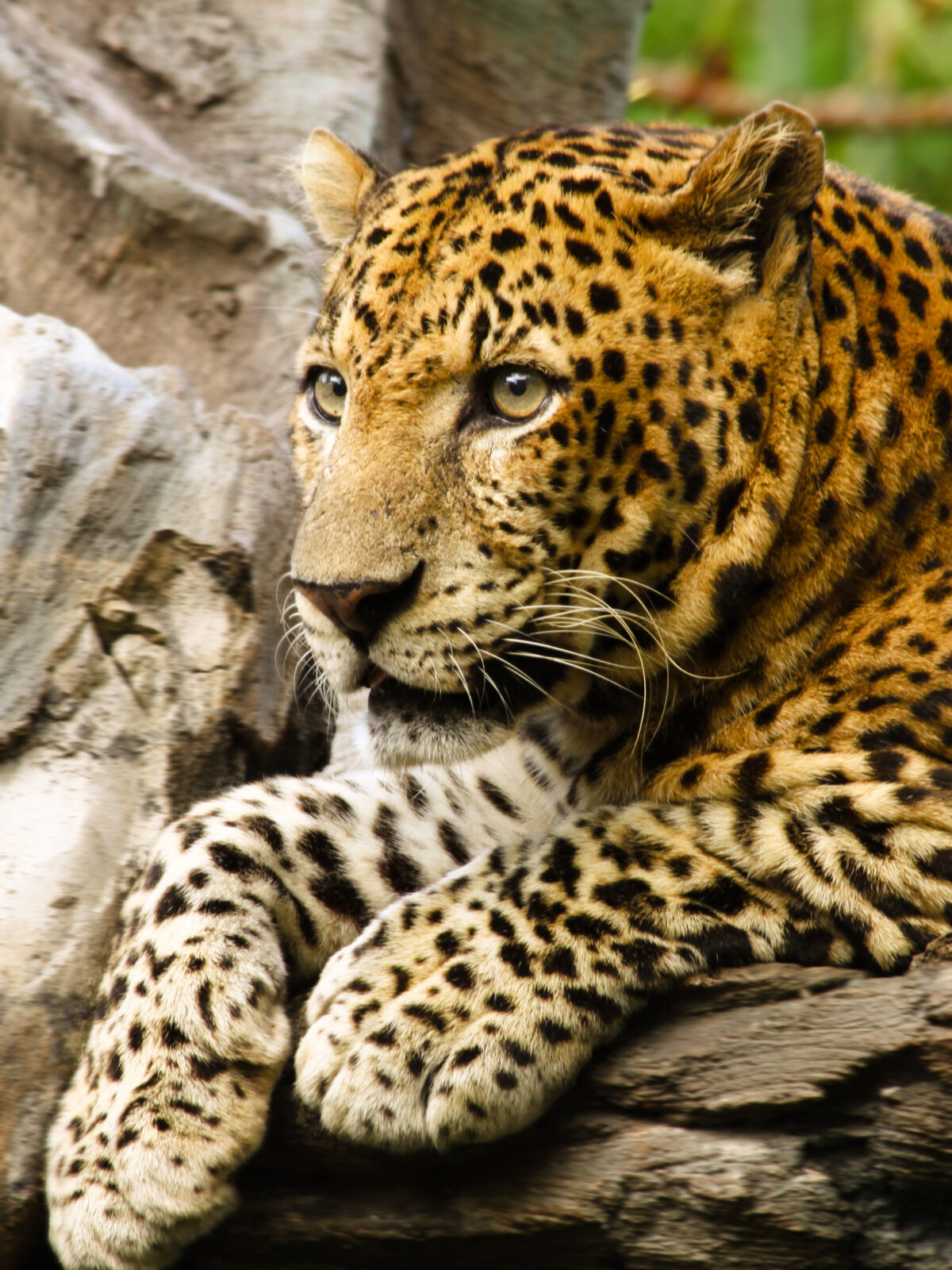
JAVA LEOPARD
DESCRIPTION
Also called the Javan Leopard, the Java Leopard is a subspecies of leopard found exclusively on the island of Java in Indonesia. It has a distinctive coat with rosettes that are smaller and closer together than those of other leopard subspecies, providing excellent camouflage in its forested habitat. Java Leopards are primarily solitary animals, known for their elusive nature and adaptability to various environments, including mountainous and lowland forests.
FUN FACTS
- Java Leopards are known for their incredible climbing abilities, often resting in trees to avoid ground-level threats and to survey their territory
- They are also skilled swimmers, which allows them to hunt in various environments, including near water sources
- | The Java Leopard is a symbol of wildlife conservation efforts in Indonesia, representing the need to protect the unique biodiversity of the island
- Their striking appearance and elusive nature have made them a subject of fascination for wildlife enthusiasts and researchers alike
QUICK INFO
Lifespan10-15 years in the wild, up to 20 years in captivi
Average Weight30-70 kg
Average Length1.2-1.8 m
Diet TypeCarnivore
Social Structuresolitary, with males and females coming together only for mating
Activity PatternNocturnal
Breeding SeasonYear-round, with peaks depending on environmental conditions
- Habitat
- Java Leopards inhabit tropical rainforests, montane forests, and sometimes agricultural areas. They prefer dense vegetation that provides cover for stalking prey.
- Biomes
- Tropical Rainforest, Montane Forest
- Native Range
- The Java Leopard is native to the island of Java, Indonesia, where it is found in various forested areas.
- Continent
- Asia
- Countries
- Indonesia
- Diet
- Java Leopards are carnivorous and primarily hunt medium-sized ungulates, as well as smaller mammals and birds. They are opportunistic hunters and will scavenge when necessary.
- Diet Type
- Carnivore
- Favorite Food
- deer, wild boar, smaller mammals
- Social Structure
- solitary, with males and females coming together only for mating
- Activity Pattern
- Nocturnal
- Group Size
- 1
- Territorial
- 1
30-70 kg
Weight
1.2-1.8 m
Length
- Coloration
- golden-yellow coat with black rosettes
- Sexual Dimorphism
- males are generally larger than females
- Lifespan
- 10-15 years in the wild, up to 20 years in captivi
- Gestation Period
- 90-105 days
- Offspring per Birth
- 1-4
- Sexual Maturity
- 2-3 years
- Breeding Season
- Year-round, with peaks depending on environmental conditions
CR
Critically Endangered
IUCN Red List Status
- Population Status
- The Java Leopard population is currently declining due to habitat loss and poaching.
- Wild Population Estimate
- Less than 250 individuals
- Population Trend
- Decreasing
- Endangered
- 1
- Threats
- Main threats to the Java Leopard include habitat destruction due to agriculture and urbanization, as well as poaching for their beautiful pelts. These factors have significantly reduced their population and fragmented their habitat.
- Conservation Program
- Conservation efforts include habitat protection and anti-poaching initiatives, but more comprehensive strategies are needed.
- Predators
- Humans are the primary threat to Java Leopards, as they hunt them for their fur and encroach on their habitat. In the wild, adult Java Leopards have few natural predators, but young leopards may be vulnerable to larger carnivores.
- Defense Mechanisms
- Java Leopards rely on their stealth and camouflage to avoid detection by both prey and potential threats.
- Found in Zoos
- Rare