


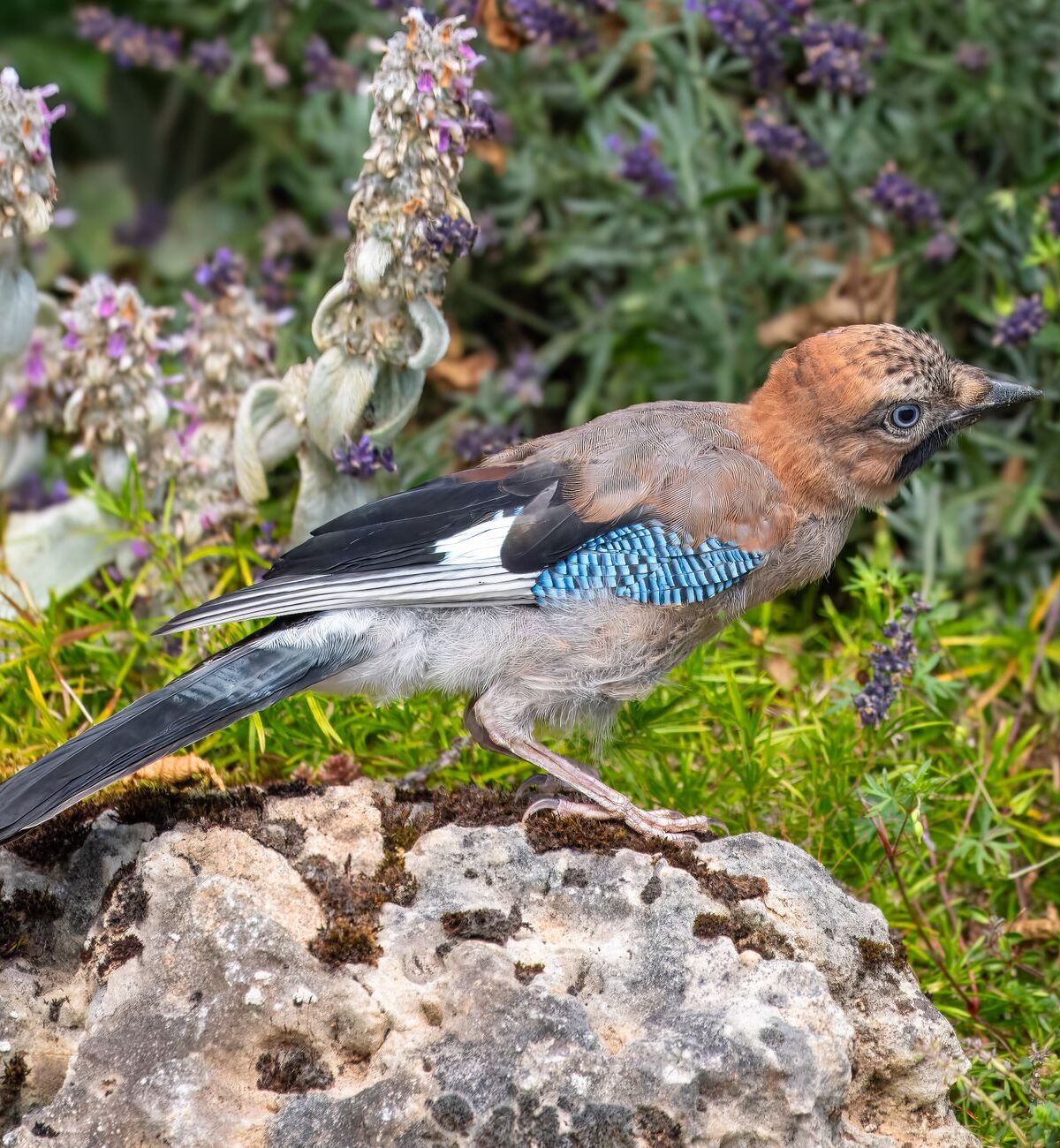
JAY
DESCRIPTION
Jay is commonly known as the Blue Jay, a striking bird characterized by its vibrant blue plumage, white underparts, and a distinctive crest on its head. These birds are highly intelligent and social, often seen foraging in groups and engaging in complex vocalizations. Jays play a crucial role in their ecosystems as seed dispersers, helping to maintain the health of forests and woodlands.
FUN FACTS
- Jays are known for their ability to mimic the calls of other birds and even human sounds, showcasing their intelligence and adaptability
- Additionally, they have a unique behavior of burying acorns, which not only helps them survive during winter but also contributes to forest regeneration by planting new oak trees
QUICK INFO
Lifespan7-10 years in the wild, up to 20 years in captivit
Average Weight70-100 g
Average Length25-30 cm
Diet TypeOmnivore
Social StructureJays are often seen in pairs or small groups, especially during the breeding season. They can also be solitary when foraging.
Activity PatternDiurnal
Breeding SeasonSpring (April-June)
- Habitat
- Jays inhabit a range of environments, including forests, woodlands, and suburban areas. They prefer areas with a mix of trees and open spaces for foraging.
- Biomes
- Temperate Forest, Mediterranean Forest
- Native Range
- Jays are found across North America, Europe, and parts of Asia, depending on the specific species.
- Continent
- North America, Europe, Asia
- Countries
- United States, Canada, Mexico, United Kingdom, France, Germany
- Diet
- Jays are omnivorous, feeding on a variety of foods including nuts, seeds, fruits, and insects. They are known to cache food for later consumption, which aids in the dispersal of seeds.
- Diet Type
- Omnivore
- Favorite Food
- Acorns, berries, insects
- Social Structure
- Jays are often seen in pairs or small groups, especially during the breeding season. They can also be solitary when foraging.
- Activity Pattern
- Diurnal
- Group Size
- 2-10
- Territorial
- 1
 CR
CR
 LC
LC
 LC
LC
70-100 g
Weight
25-30 cm
Length
- Coloration
- Bright blue with white and black markings
- Lifespan
- 7-10 years in the wild, up to 20 years in captivit
- Offspring per Birth
- 3-5
- Sexual Maturity
- 1 year
- Breeding Season
- Spring (April-June)
LC
Least Concern
IUCN Red List Status
- Population Status
- The population of jays is generally stable, though some species may face localized declines.
- Wild Population Estimate
- Unknown
- Population Trend
- Stable
- Endangered
- 0
- Threats
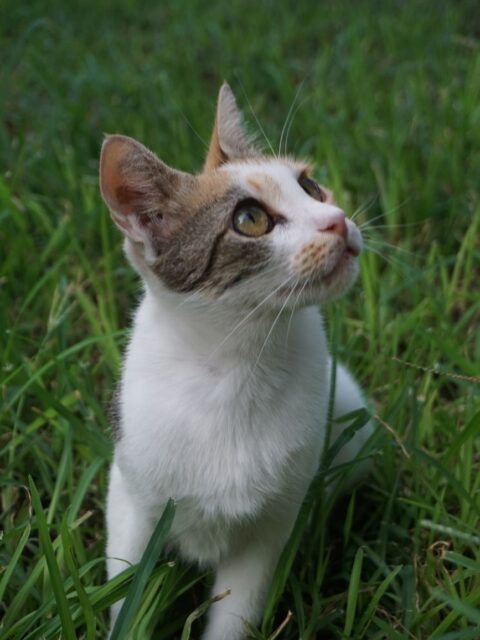
- Habitat loss and fragmentation are the main threats to jays, along with predation by domestic cats and other animals. Climate change may also impact their food sources and habitats.
- Predators
- Hawks, owls, snakes, domestic cats
- Defense Mechanisms
- Jays use alarm calls to warn other birds of predators and may mob larger predators to drive them away.
- Compatible Animals
- Other corvids, small songbirds
- Found in Zoos
- Common