


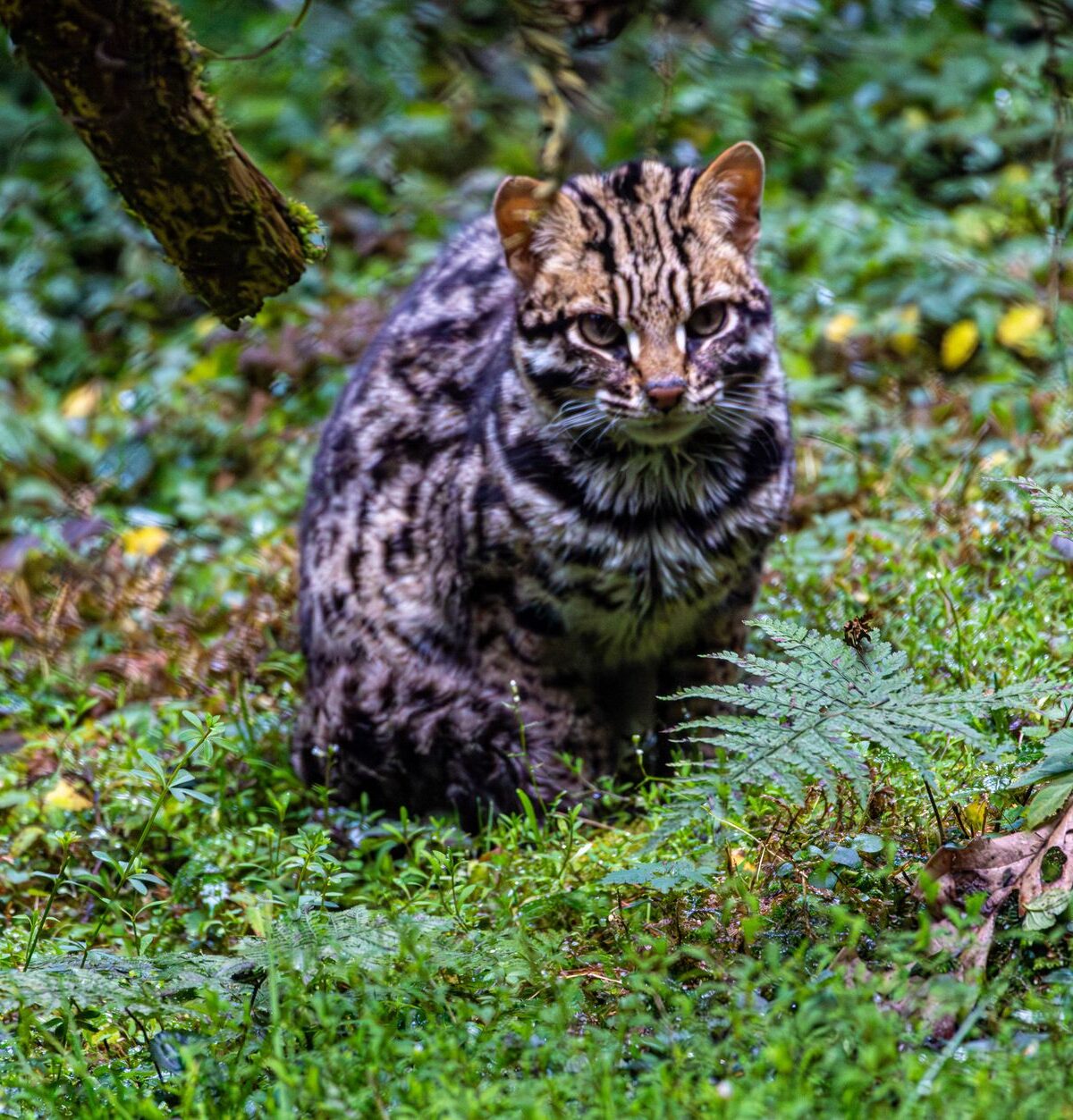
JUNGLE CAT
Felis chaus
DESCRIPTION
Jungle Cat (Felis chaus) is commonly known as the Swamp Cat and Reed Cat. This medium-sized wild cat has a slender body, long legs, and a short tail, with a coat that varies from pale yellow to grayish-brown, often with faint stripes. They are primarily found in wetlands and grasslands, showcasing a remarkable adaptability to various habitats, and are known for their elusive behavior and strong hunting skills.
FUN FACTS
- Jungle Cats are known for their impressive jumping ability, capable of leaping up to six feet in the air to catch birds or escape threats
- They are also skilled swimmers, often seen hunting in shallow waters for fish and amphibians.|Despite their name, Jungle Cats are not exclusively found in jungles; they thrive in a variety of habitats, including grasslands and wetlands, showcasing their adaptability to different environments
QUICK INFO
Lifespan10-15 years in the wild, up to 20 years in captivi
Average Weight5-10 kg
Average Length60-90 cm
Diet TypeCarnivore
Social Structuresolitary, with occasional pair bonding during mating season
Activity PatternNocturnal
Breeding SeasonSpring (March-May)
- Habitat
- Jungle Cats inhabit a variety of environments, including grasslands, wetlands, and scrub forests. They prefer areas with dense vegetation that provide cover for hunting and resting.
- Biomes
- Grassland, Wetland, Forest
- Native Range
- Jungle Cats are native to parts of Asia and the Middle East, ranging from the Nile Valley in Egypt to the Indian subcontinent.
- Continent
- Asia, Africa
- Countries
- Egypt, India, Pakistan, Bangladesh, Nepal, Iran
- Diet
- Jungle Cats primarily feed on small mammals, birds, and reptiles, utilizing their stealth and agility to catch prey. They are skilled hunters, often stalking their targets before pouncing.
- Diet Type
- Carnivore
- Favorite Food
- small mammals, birds
- Social Structure
- solitary, with occasional pair bonding during mating season
- Activity Pattern
- Nocturnal
- Group Size
- 1-2
- Territorial
- 1
 VU
VU
5-10 kg
Weight
60-90 cm
Length
- Coloration
- pale yellow to grayish-brown with faint stripes
- Sexual Dimorphism
- males are generally larger than females
- Lifespan
- 10-15 years in the wild, up to 20 years in captivi
- Gestation Period
- 60-70 days
- Offspring per Birth
- 2-4
- Sexual Maturity
- 1-2 years
- Breeding Season
- Spring (March-May)
LC
Least Concern
IUCN Red List Status
- Population Status
- The population of Jungle Cats is currently stable, but they face threats from habitat loss and hunting.
- Wild Population Estimate
- unknown
- Population Trend
- Stable
- Endangered
- 0
- Threats
- Main threats to Jungle Cats include habitat destruction due to agriculture and urbanization, as well as hunting for fur. These factors have led to localized declines in certain areas.
- Predators
- larger carnivores such as wolves and leopards, as well as birds of prey
- Defense Mechanisms
- Jungle Cats rely on their agility and stealth to evade predators, often using dense vegetation for cover.
- Found in Zoos
- Uncommon