


KAISER'S MOUNTAIN NEWT
Ichthyosaura kaiseri
DESCRIPTION
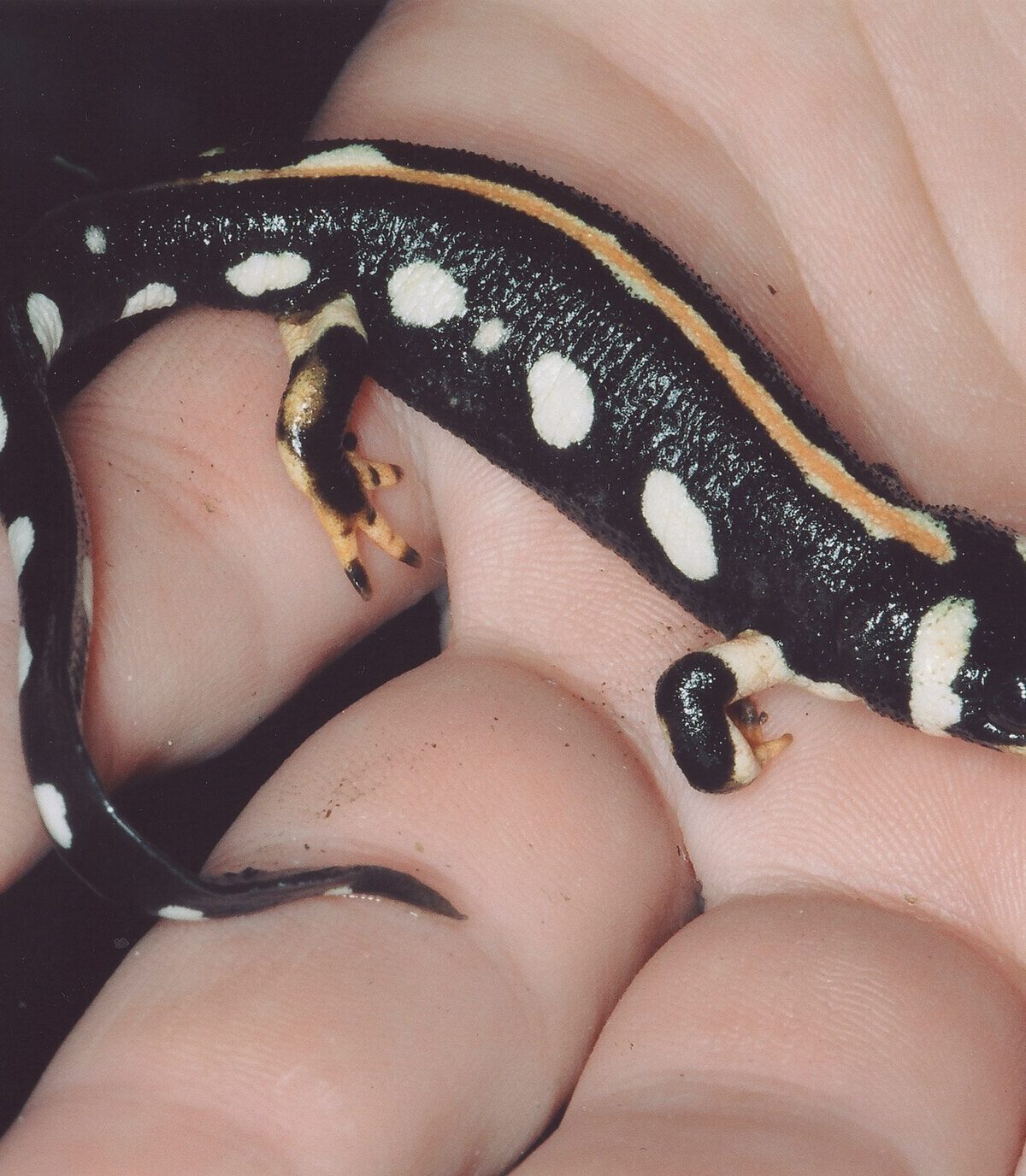
Kaiser's Mountain Newt (Ichthyosaura kaiseri) is a striking amphibian native to the mountainous regions of the Eastern Alps. This species is characterized by its vibrant coloration, typically featuring a dark background with bright orange or yellow spots, which serve as a warning to potential predators. Kaiser's Mountain Newt is primarily aquatic during the breeding season, but it spends much of its life on land in moist forested habitats, where it can be found under leaf litter or logs.
FUN FACTS
- Kaiser's Mountain Newt is named after the Austrian zoologist Hans Kaiser, who contributed significantly to the study of amphibians
- | These newts exhibit a fascinating behavior called 'courtship display,' where males perform elaborate movements to attract females during the breeding season
QUICK INFO
Lifespan10-15 years in the wild
Average Length7-10 cm
Diet TypeInsectivore
Social Structuresolitary, though males may gather in breeding areas during the mating season
Activity PatternNocturnal
Breeding SeasonSpring (March-May)
- Habitat
- This newt prefers cool, moist environments, often found in forested areas near streams or ponds. It requires both aquatic habitats for breeding and terrestrial habitats for foraging and shelter.
- Biomes
- Temperate Forest, Montane
- Native Range
- Kaiser's Mountain Newt is endemic to the Eastern Alps, specifically found in Austria and parts of Italy.
- Continent
- Europe
- Countries
- Austria, Italy
- Diet
- Kaiser's Mountain Newt primarily feeds on small invertebrates, including insects and worms. Its diet is crucial for its growth and development, especially during the larval stage.
- Diet Type
- Insectivore
- Favorite Food
- small insects, worms
- Social Structure
- solitary, though males may gather in breeding areas during the mating season
- Activity Pattern
- Nocturnal
- Group Size
- 1-5
- Territorial
- 0
 VU
VU
 LC
LC
7-10 cm
Length
- Coloration
- dark body with bright orange or yellow spots
- Sexual Dimorphism
- males are generally smaller and have more vibrant coloration than females
- Lifespan
- 10-15 years in the wild
- Offspring per Birth
- up to 100 eggs
- Sexual Maturity
- 2-3 years
- Breeding Season
- Spring (March-May)
LC
Least Concern
IUCN Red List Status
- Population Status
- The population of Kaiser's Mountain Newt is currently stable, but it is sensitive to environmental changes.
- Wild Population Estimate
- unknown
- Population Trend
- Stable
- Endangered
- 0
- Threats
- Main threats include habitat loss due to deforestation and pollution of water bodies. Climate change also poses a risk by altering their habitat conditions.
- Predators
- Birds, snakes, and larger amphibians are known to prey on Kaiser's Mountain Newt.
- Defense Mechanisms
- This species has toxic skin secretions that deter many potential predators.
- Found in Zoos
- Uncommon