


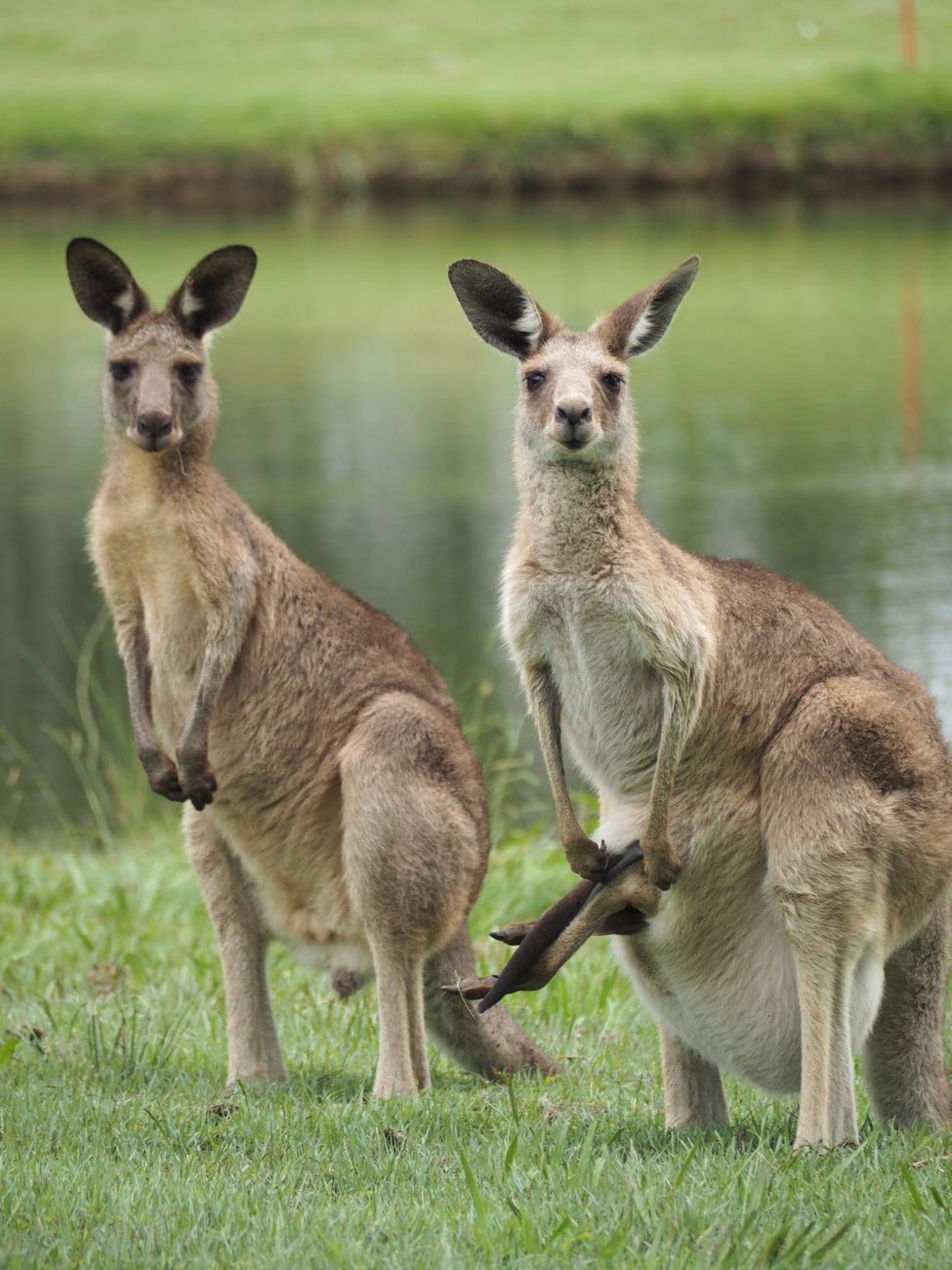
KANGAROOS
DESCRIPTION
Kangaroos, also known as wallabies and wallaroos, are large marsupials native to Australia. They are characterized by their powerful hind legs, large feet, and long tails, which they use for balance while hopping. Social animals, kangaroos often live in groups called mobs, which provide protection against predators and facilitate social interactions.
FUN FACTS
- Kangaroos are the only large animals that use hopping as their primary means of locomotion, which allows them to travel long distances quickly while conserving energy
- Additionally, kangaroos have a unique reproductive system that allows females to pause the development of their embryos until environmental conditions are favorable, ensuring the survival of their young.|Kangaroos can leap over 3 meters high and cover distances of up to 9 meters in a single bound
- Their strong hind legs and large feet are perfectly adapted for this impressive form of movement, making them one of the most iconic symbols of Australian wildlife
QUICK INFO
Lifespan8-12 years in the wild, up to 20 years in captivit
Average Weight40-90 kg
Average Length1.5-2.0 m
Diet TypeHerbivore
Social StructureKangaroos typically live in groups called mobs, which can consist of several individuals. This social structure helps them to protect against predators and raise their young.
Activity PatternDiurnal
Breeding SeasonYear-round, with peaks depending on the region
- Habitat
- Kangaroos inhabit a variety of environments, including grasslands, savannas, and forests. They prefer open areas where they can easily spot predators and find food.
- Biomes
- Savanna, Grassland, Forest
- Native Range
- Kangaroos are native to Australia and nearby islands.
- Continent
- Australia
- Countries
- Australia
- Diet
- Kangaroos are herbivores, primarily grazing on grasses, leaves, and shoots. They have a specialized digestive system that allows them to efficiently process fibrous plant material.
- Diet Type
- Herbivore
- Favorite Food
- Grasses
- Social Structure
- Kangaroos typically live in groups called mobs, which can consist of several individuals. This social structure helps them to protect against predators and raise their young.
- Activity Pattern
- Diurnal
- Group Size
- 5-100
- Territorial
- 0
 LC
LC
 LC
LC
40-90 kg
Weight
1.5-2.0 m
Length
1.5 m at shoulder
Height (Shoulder)
- Coloration
- Generally gray or brown, with variations depending on the species.
- Sexual Dimorphism
- Males are typically larger than females.
- Lifespan
- 8-12 years in the wild, up to 20 years in captivit
- Gestation Period
- 30-36 days
- Offspring per Birth
- 1
- Sexual Maturity
- 1-2 years
- Breeding Season
- Year-round, with peaks depending on the region
LC
Least Concern
IUCN Red List Status
- Population Status
- Kangaroo populations are generally stable, with some species being abundant.
- Wild Population Estimate
- Over 50 million
- Population Trend
- Stable
- Endangered
- 0
- Threats
- Main threats include habitat loss due to agriculture and urban development, as well as hunting. Climate change also poses a risk by affecting their food sources.
- Predators
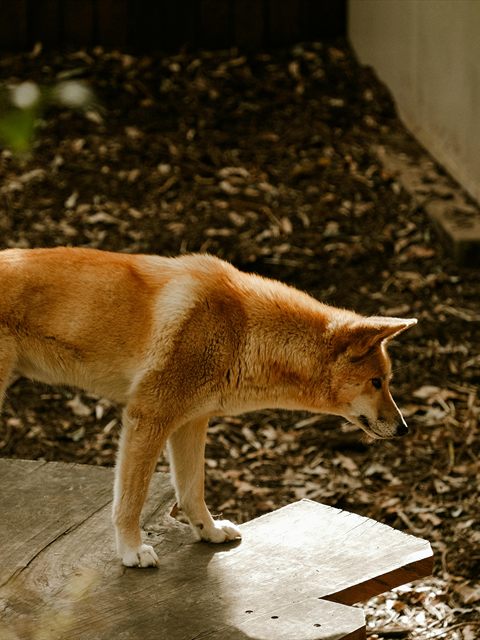
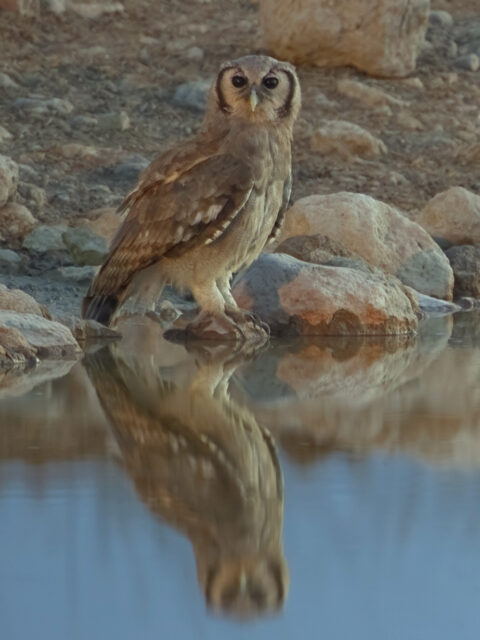
- Dingoes, eagles, and humans are the primary predators of kangaroos.
- Defense Mechanisms
- Kangaroos use their powerful legs to kick and can also use their tails for balance while defending themselves.
- Compatible Animals
- Emus, various bird species
- Found in Zoos
- Common