


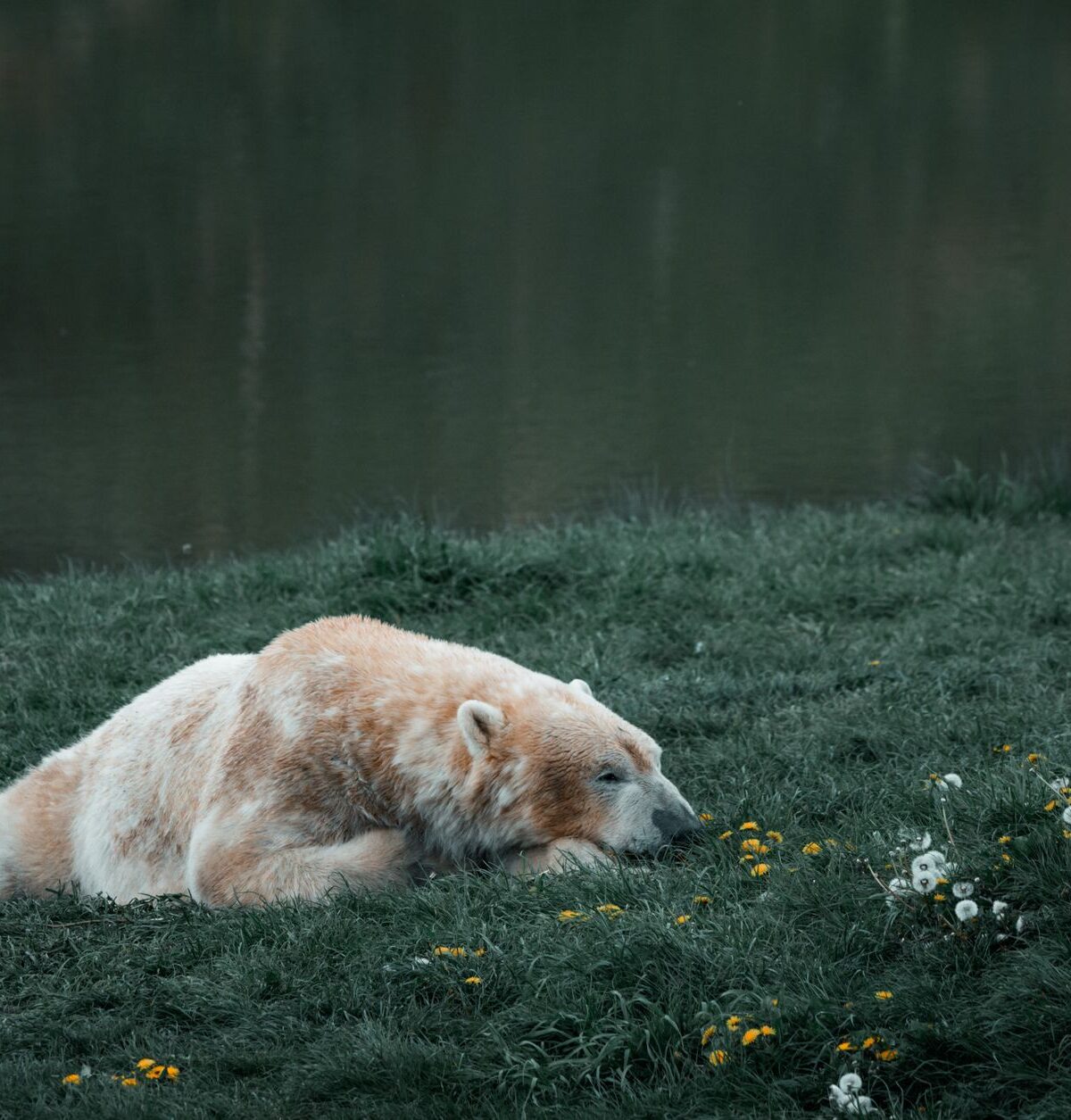
KERMODE BEAR
Ursus americanus kermodei
DESCRIPTION
Kermode Bear (Ursus americanus kermodei), also known as the spirit bear, is a subspecies of the American black bear that is primarily found in the coastal regions of British Columbia, Canada. This bear is notable for its unique white or cream-colored fur, which is a result of a recessive gene, although some individuals may still exhibit the typical black coloration. Kermode Bears are generally solitary animals, exhibiting behaviors typical of bears, such as foraging for food and establishing territories in forested habitats.
FUN FACTS
- Kermode Bears are often referred to as spirit bears in Indigenous cultures, symbolizing strength and resilience
- Their unique coloration has made them a subject of fascination and conservation efforts, highlighting the importance of preserving their natural habitat
- | The Kermode Bear's white fur is not an albino condition; rather, it is due to a specific genetic trait that affects pigmentation
- This unique feature has led to a cultural significance among local Indigenous peoples, who view the bear as a spiritual symbol
QUICK INFO
Lifespan15-25 years in the wild, up to 30 years in captivi
Average Weight90-270 kg
Average Length1.5-2.4 m
Diet TypeOmnivore
Social Structuresolitary, typically living alone except during mating or when a mother is raising her cubs
Activity PatternNocturnal
Breeding SeasonSummer (June-July)
- Habitat
- They inhabit temperate rainforests, characterized by dense vegetation and abundant water sources, which provide ample food and shelter.
- Biomes
- Temperate Rainforest
- Native Range
- Kermode Bears are native to the coastal regions of British Columbia, Canada, particularly on the Great Bear Rainforest and surrounding islands.
- Continent
- North America
- Countries
- Canada
- Diet
- Kermode Bears are omnivorous, feeding on a varied diet that includes fruits, nuts, insects, and fish, particularly salmon during spawning season.
- Diet Type
- Omnivore
- Favorite Food
- salmon, berries, nuts
- Social Structure
- solitary, typically living alone except during mating or when a mother is raising her cubs
- Activity Pattern
- Nocturnal
- Group Size
- 1-2
- Territorial
- 1
90-270 kg
Weight
1.5-2.4 m
Length
1.0-1.5 m at shoulder
Height (Shoulder)
- Coloration
- white or cream-colored fur, with some individuals being black
- Sexual Dimorphism
- males are generally larger than females
- Lifespan
- 15-25 years in the wild, up to 30 years in captivi
- Gestation Period
- 220-240 days
- Offspring per Birth
- 1-3
- Sexual Maturity
- 3-4 years
- Breeding Season
- Summer (June-July)
LC
Least Concern
IUCN Red List Status
- Population Status
- The population of Kermode Bears is considered to be stable, but they are subject to habitat loss and other environmental pressures.
- Wild Population Estimate
- 1,000-2,000
- Population Trend
- Stable
- Endangered
- 0
- Threats
- Main threats include habitat destruction due to logging and development, as well as climate change affecting their food sources. Additionally, they face risks from poaching and vehicle collisions.
- Predators
- humans, large carnivores (such as wolves and cougars) may pose a threat to cubs
- Defense Mechanisms
- Kermode Bears can defend themselves using their size and strength, and they may also use vocalizations and aggressive posturing to deter threats.
- Found in Zoos
- Uncommon