


KIMBERLEY ROCK MONITOR
DESCRIPTION
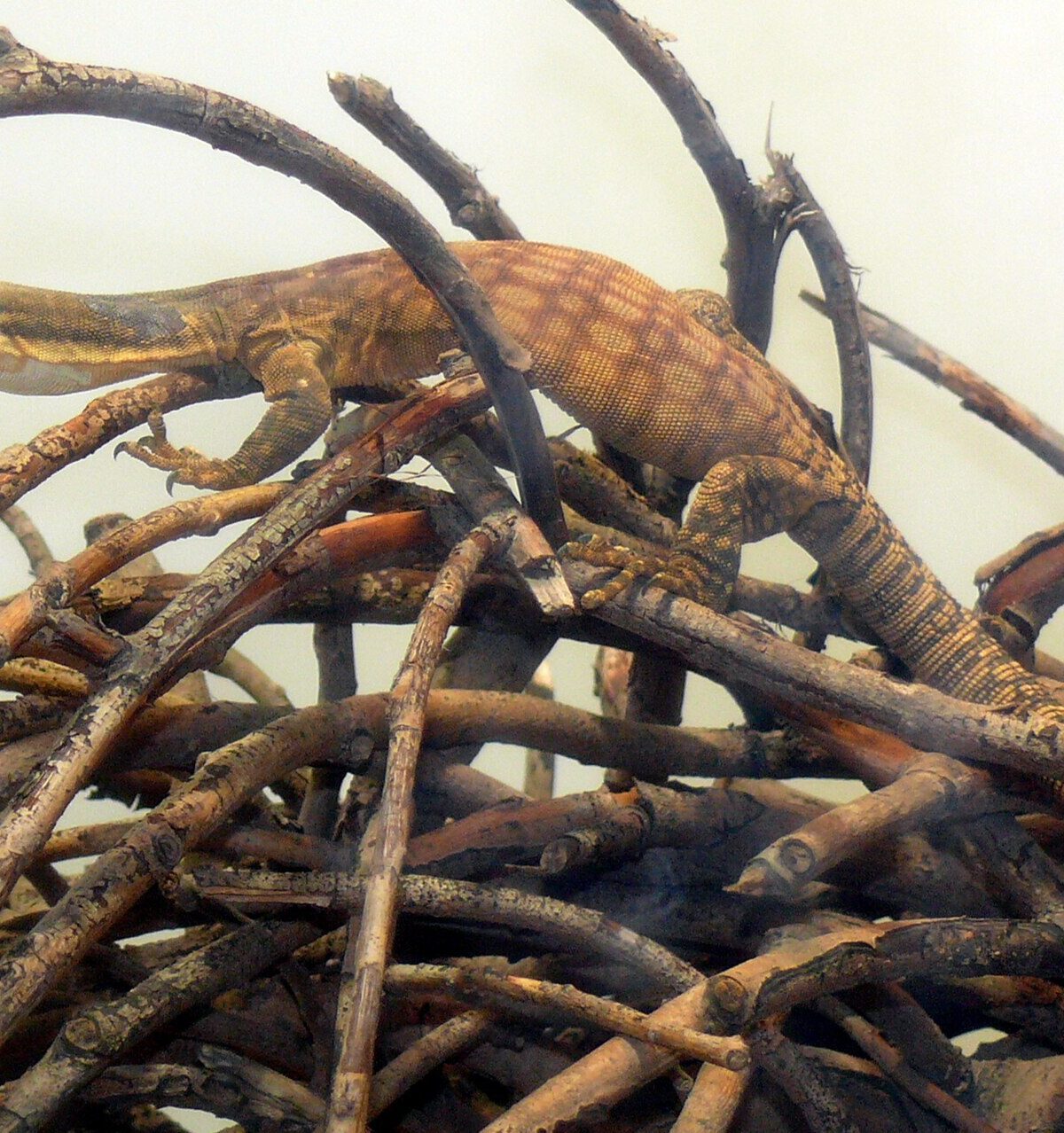
Kimberley Rock Monitor is a large lizard native to the rocky outcrops and escarpments of the Kimberley region in Western Australia. It has a robust body, long tail, and a distinctive pattern of dark and light bands across its scales, which provides excellent camouflage against the rocky terrain. This species is primarily terrestrial but is also an adept climber, often seen basking on rocks or foraging in crevices.
FUN FACTS
- Kimberley Rock Monitors are known for their impressive climbing abilities, often seen scaling steep rock faces with ease
- They have a keen sense of smell and can detect prey from a distance, making them effective hunters in their rocky habitats.|These lizards are also known for their unique social behavior during the breeding season, where males will engage in displays of strength and agility to attract females, showcasing their physical prowess
QUICK INFO
Lifespan10-15 years in the wild
Average Weight1-2 kg
Average Length1-1.5 m
Diet TypeCarnivore
Social Structuresolitary
Activity PatternDiurnal
Breeding SeasonSpring (September-November)
- Habitat
- This species inhabits rocky outcrops, cliffs, and escarpments, often in arid or semi-arid environments. They prefer areas with plenty of crevices for shelter and hunting.
- Biomes
- Desert, Savanna
- Native Range
- The Kimberley Rock Monitor is found exclusively in the Kimberley region of Western Australia.
- Continent
- Australia
- Countries
- Australia
- Diet
- Kimberley Rock Monitors are carnivorous, primarily feeding on small mammals, birds, and insects. They are opportunistic hunters and will also scavenge when the opportunity arises.
- Diet Type
- Carnivore
- Favorite Food
- small mammals, birds, insects
- Social Structure
- solitary
- Activity Pattern
- Diurnal
- Group Size
- 1
- Territorial
- 1
 LC
LC
 VU
VU
1-2 kg
Weight
1-1.5 m
Length
- Coloration
- dark brown to black with lighter bands or spots
- Sexual Dimorphism
- males are generally larger than females
- Lifespan
- 10-15 years in the wild
- Offspring per Birth
- 5-15 eggs
- Sexual Maturity
- 2-3 years
- Breeding Season
- Spring (September-November)
LC
Least Concern
IUCN Red List Status
- Population Status
- The population is currently stable, but habitat destruction poses a potential threat.
- Wild Population Estimate
- unknown
- Population Trend
- Stable
- Endangered
- 0
- Threats
- Main threats include habitat loss due to land development and climate change. Additionally, predation by introduced species may impact local populations.
- Predators
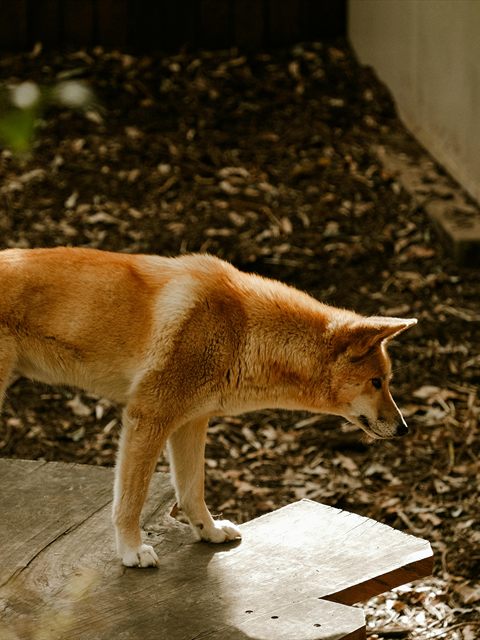
- dingoes, birds of prey, and larger reptiles
- Defense Mechanisms
- They can run quickly and climb to escape predators, and they may also use their strong jaws to defend themselves if threatened.
- Found in Zoos
- Uncommon