


KING PENGUIN
DESCRIPTION
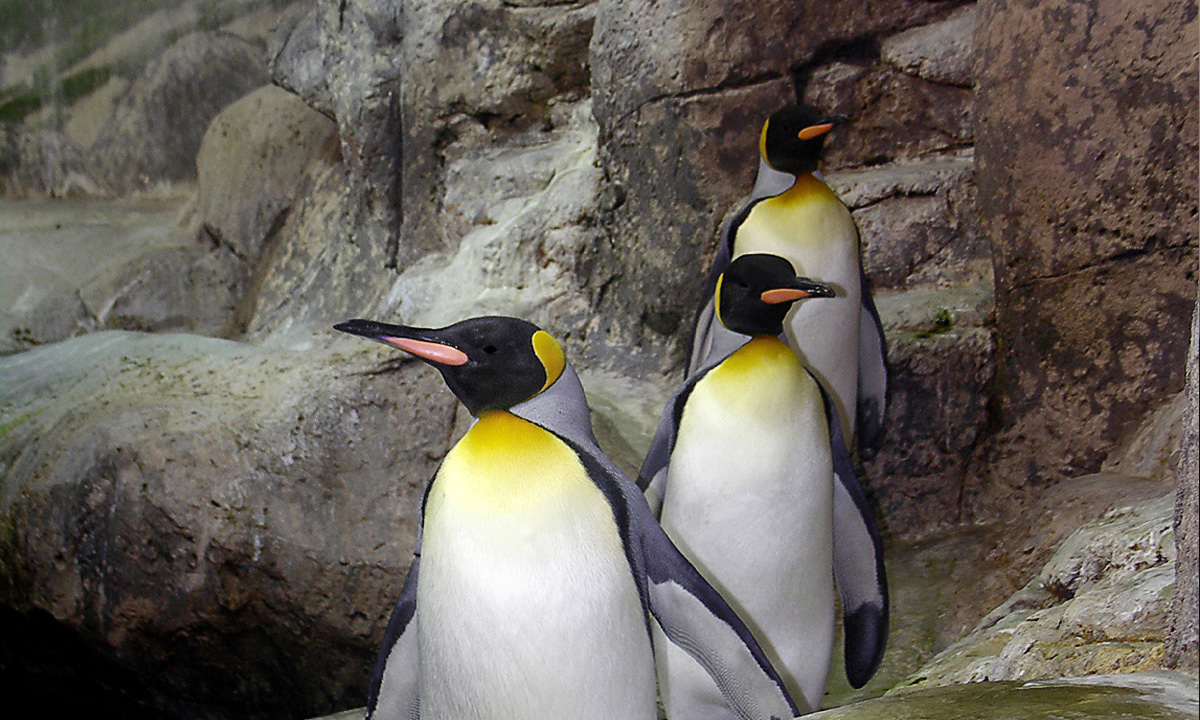
The King Penguin is the second largest species of penguin, characterized by its striking orange and yellow ear patches and a sleek, streamlined body. Adults typically have a black head and back, with a white belly and a distinctive orange patch on the upper chest. They are known for their social behavior, often forming large colonies on sub-Antarctic islands, where they engage in elaborate courtship displays and vocalizations.
FUN FACTS
- King Penguins are known for their unique breeding cycle, which involves a lengthy incubation period where the male and female take turns keeping the egg warm
- This cooperative breeding strategy allows them to successfully raise their young in harsh environments
- | Unlike many other penguin species, King Penguins do not build nests; instead, they incubate their eggs on their feet, covered by a flap of skin called a brood pouch, which helps to keep the egg warm and protected
QUICK INFO
Lifespan15-20 years in the wild, up to 30 in captivity
Average Weight11-16 kg
Average Length70-90 cm
Diet TypeCarnivore
Social StructureThey are typically found in large groups, especially during breeding season, where they form pairs for mating and raising chicks.
Activity PatternDiurnal
Breeding SeasonSpring to early summer (November to January)
- Habitat
- King Penguins inhabit sub-Antarctic islands and coastal regions, often breeding on sandy beaches or rocky shores. They require access to the ocean for foraging and prefer areas with minimal ice cover.
- Biomes
- Marine, Coastal
- Native Range
- King Penguins are native to the sub-Antarctic islands, including South Georgia, the Falkland Islands, and the Crozet Islands.
- Continent
- Antarctica
- Countries
- South Georgia, Falkland Islands, Crozet Islands, Heard Island
- Diet
- King Penguins primarily feed on fish, squid, and crustaceans, which they catch while diving in the ocean. Their foraging dives can reach depths of over 300 meters and last up to several minutes.
- Diet Type
- Carnivore
- Favorite Food
- fish, squid, crustaceans
- Social Structure
- They are typically found in large groups, especially during breeding season, where they form pairs for mating and raising chicks.
- Activity Pattern
- Diurnal
- Group Size
- 1,000-200,000
- Territorial
- 0

 LC
LC
 LC
LC
11-16 kg
Weight
70-90 cm
Length
- Coloration
- Black head and back, white belly, orange and yellow ear patches
- Sexual Dimorphism
- Males are generally larger than females.
- Lifespan
- 15-20 years in the wild, up to 30 in captivity
- Gestation Period
- 54-60 days
- Offspring per Birth
- 1
- Sexual Maturity
- 3-4 years
- Breeding Season
- Spring to early summer (November to January)
LC
Least Concern
IUCN Red List Status
- Population Status
- The King Penguin population is currently stable, with several large colonies existing across its range.
- Wild Population Estimate
- 1.5 million breeding pairs
- Population Trend
- Stable
- Endangered
- 0
- Threats
- Main threats include climate change, which affects their food supply, and human activities such as fishing and habitat disturbance. Additionally, introduced predators on breeding islands can impact chick survival.
- Predators
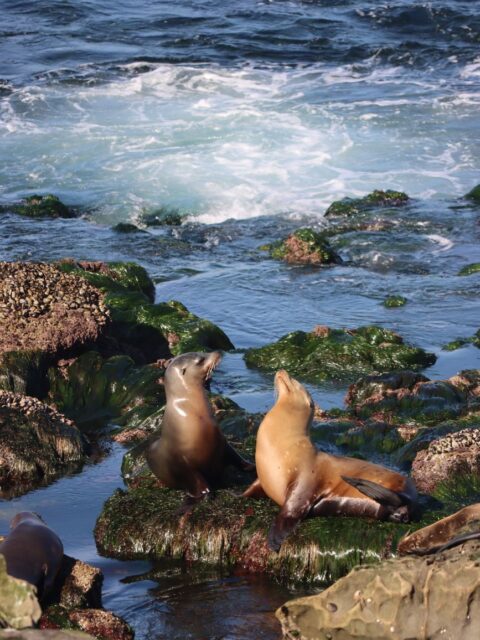
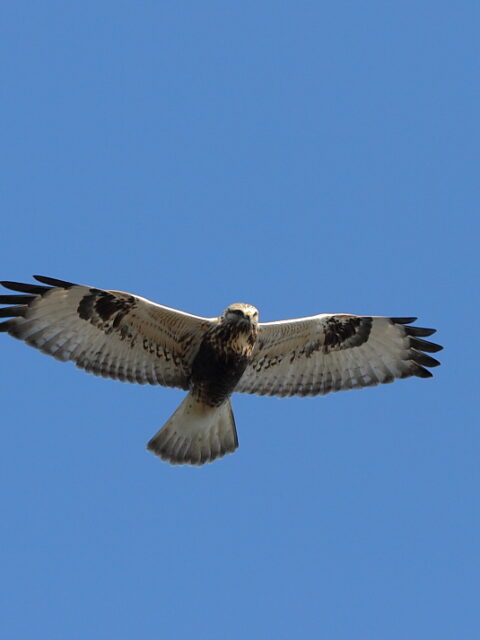
- Leopard seals, sea lions, and various seabirds may prey on King Penguin chicks and eggs.
- Defense Mechanisms
- King Penguins rely on their large colonies for safety in numbers, and they may use vocalizations to warn of potential threats.
- Found in Zoos
- Uncommon