


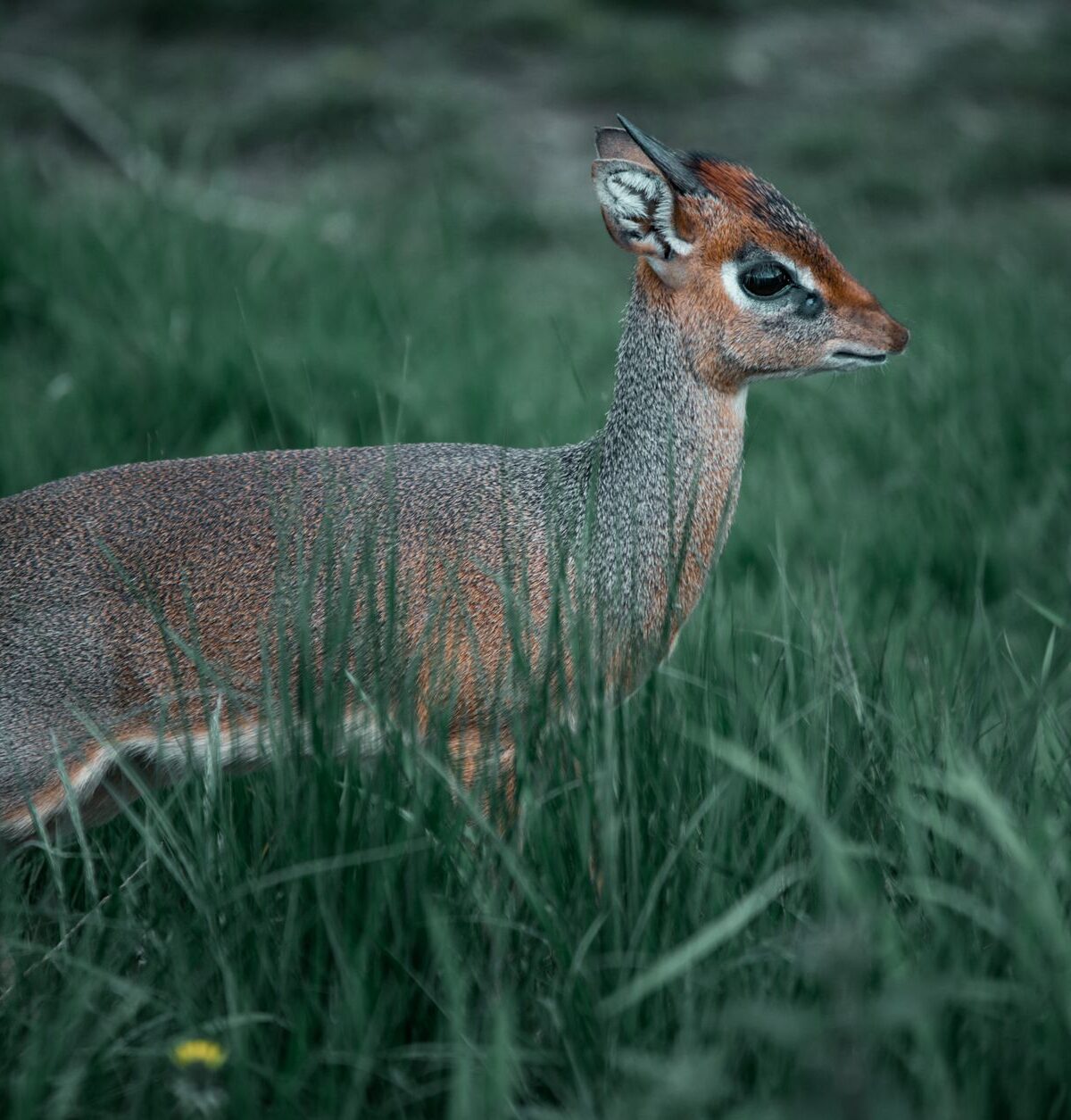
KIRK'S DIK-DIK
Madoqua kirkii
DESCRIPTION
Kirk's Dik-Dik is a small antelope species known for its distinctive large eyes and elongated snout. This species exhibits a shy and elusive behavior, often relying on its keen senses to detect predators in its environment. They are primarily found in the bushy and wooded areas of eastern Africa, where they play a crucial role in the ecosystem as herbivores.
FUN FACTS
- Kirk's Dik-Dik is known for its unique alarm call, which sounds like a high-pitched whistle, alerting other dik-diks to potential danger
- Additionally, these small antelopes have a remarkable ability to survive in arid environments, often going without water for extended periods by obtaining moisture from the plants they consume
QUICK INFO
Lifespan10-12 years in the wild, up to 15 years in captivi
Average Weight6-10 kg
Average Length70-85 cm
Diet TypeHerbivore
Social Structuresolitary or in pairs, often forming monogamous pairs during breeding season
Activity PatternDiurnal
Breeding SeasonYear-round, with peaks depending on local conditions
- Habitat
- Kirk's Dik-Dik inhabits bushy and wooded areas, often favoring dense thickets that provide cover from predators. They are also found in savanna regions where vegetation is available.
- Biomes
- Savanna, Woodland
- Native Range
- Kirk's Dik-Dik is native to eastern Africa, particularly in countries like Kenya and Tanzania.
- Continent
- Africa
- Countries
- Kenya, Tanzania
- Diet
- Kirk's Dik-Dik primarily feeds on leaves, shoots, and fruits. They are selective feeders, often choosing the most nutritious parts of plants.
- Diet Type
- Herbivore
- Favorite Food
- leaves, shoots, fruits
- Social Structure
- solitary or in pairs, often forming monogamous pairs during breeding season
- Activity Pattern
- Diurnal
- Group Size
- 1-2
- Territorial
- 1
 LC
LC
 VU
VU
 LC
LC
6-10 kg
Weight
70-85 cm
Length
- Coloration
- Kirk's Dik-Dik has a reddish-brown coat with white underparts and distinctive white markings on the face and throat.
- Sexual Dimorphism
- Males have small horns, while females do not.
- Lifespan
- 10-12 years in the wild, up to 15 years in captivi
- Gestation Period
- 150 days
- Offspring per Birth
- 1
- Sexual Maturity
- 6-12 months
- Breeding Season
- Year-round, with peaks depending on local conditions
LC
Least Concern
IUCN Red List Status
- Population Status
- The population of Kirk's Dik-Dik is currently stable, but habitat loss poses a potential threat.
- Wild Population Estimate
- 50,000-100,000
- Population Trend
- Stable
- Endangered
- 0
- Threats
- Main threats include habitat loss due to agricultural expansion and hunting. These factors can lead to localized declines in their populations.
- Predators
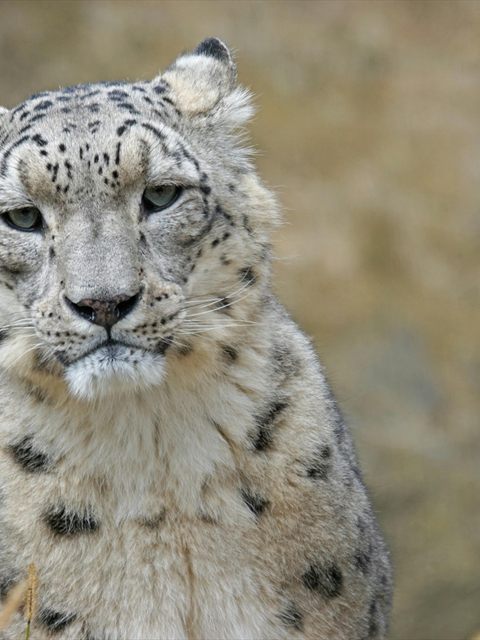
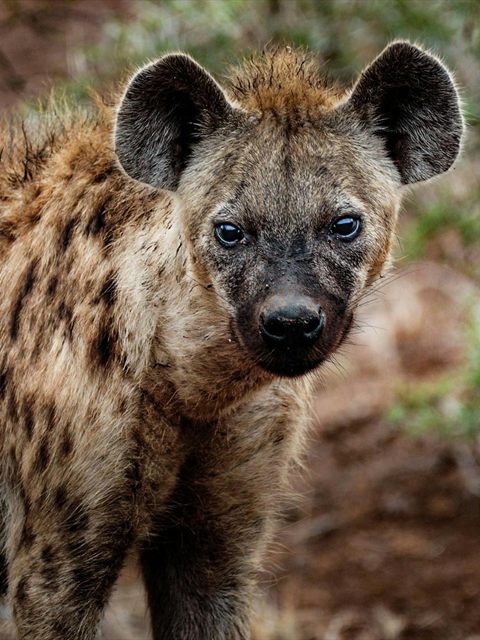
- Lions, leopards, hyenas, and various birds of prey.
- Defense Mechanisms
- Kirk's Dik-Dik relies on its speed and agility to escape predators, often using dense vegetation for cover.
- Found in Zoos
- Uncommon