


KITTIWAKE
Rissa tridactyla
DESCRIPTION
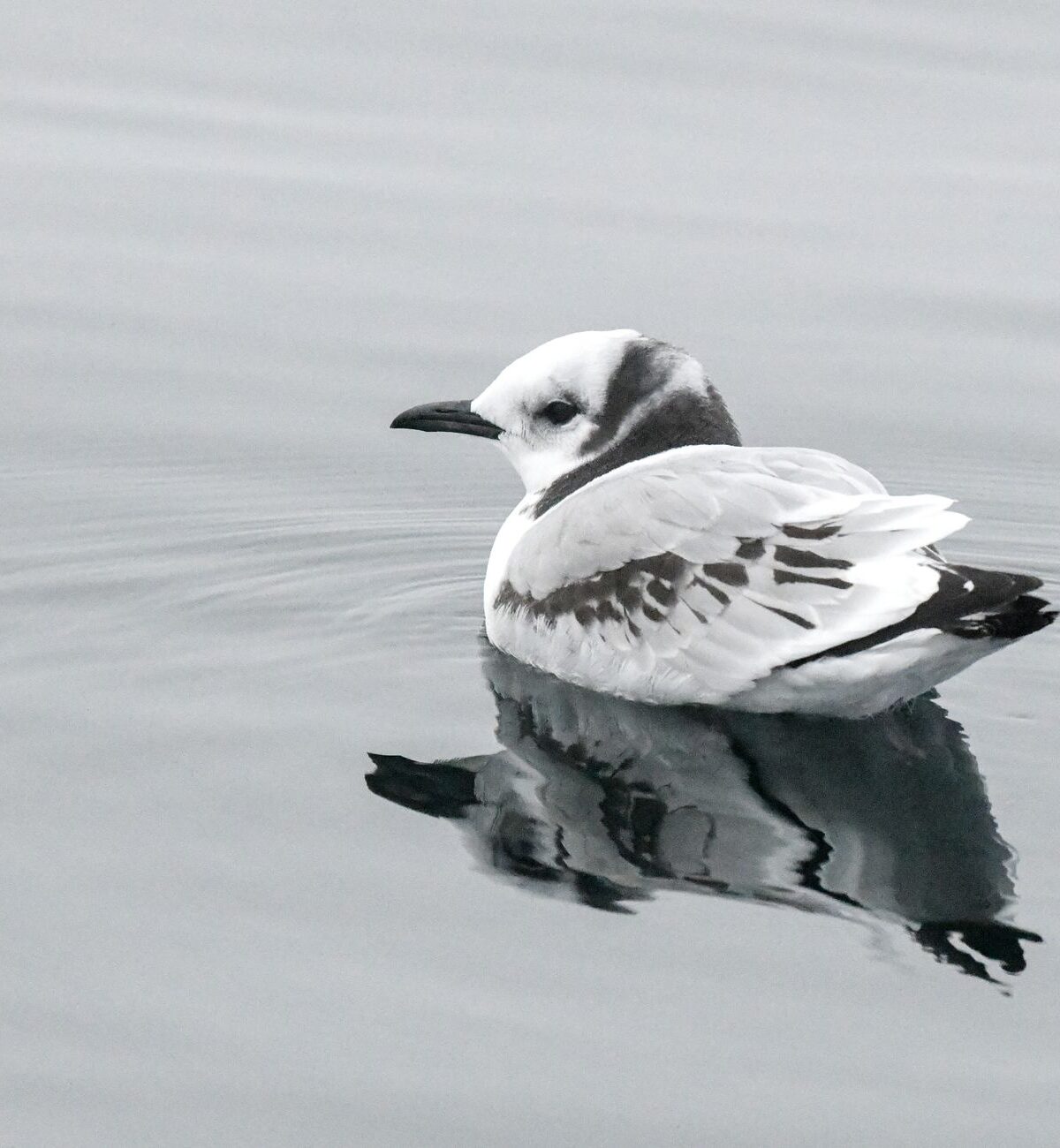
Kittiwake (Rissa tridactyla), also known as the Black-legged Kittiwake, is a medium-sized gull characterized by its slender body, short wings, and distinctive black legs. These birds have a white body with a gray mantle and wings, and their head is white with a dark eye and a black line extending from the eye to the nape. Kittiwakes are known for their unique nesting behavior, often building their nests on steep cliffs or ledges, where they can be seen in large colonies, providing a spectacular sight during the breeding season.
FUN FACTS
- Kittiwakes are unique among gulls in that they often nest on vertical cliffs, which provides them with protection from many ground-based predators
- They are also known for their distinctive call, which sounds like a series of 'kit-ti-wake' sounds, giving them their common name
- | During the breeding season, Kittiwakes engage in elaborate courtship displays, including synchronized flying and calling, which helps strengthen pair bonds and attract mates
QUICK INFO
Lifespan10-15 years in the wild
Average Weight250-400 g
Average Length40-46 cm
Diet TypePiscivore
Social Structuregroup — Kittiwakes nest in large colonies, which can number in the thousands.
Activity PatternDiurnal
Breeding SeasonSpring (April-June)
- Habitat
- Kittiwakes inhabit coastal areas, particularly rocky cliffs and islands where they can nest safely away from terrestrial predators. They are often found in marine environments during the breeding season.
- Biomes
- Coastal, Marine
- Native Range
- Kittiwakes are found in the North Atlantic and Arctic regions, breeding along the coasts of North America and Europe.
- Continent
- North America, Europe
- Countries
- United States, Canada, Norway, Iceland, United Kingdom, Russia
- Diet
- Kittiwakes primarily feed on small fish and marine invertebrates, often foraging in the ocean. They are known to dive into the water to catch their prey.
- Diet Type
- Piscivore
- Favorite Food
- small fish, marine invertebrates
- Social Structure
- group — Kittiwakes nest in large colonies, which can number in the thousands.
- Activity Pattern
- Diurnal
- Group Size
- 100-1,000
- Territorial
- 1
 LC
LC
250-400 g
Weight
40-46 cm
Length
- Coloration
- white body with gray wings and mantle, black legs
- Lifespan
- 10-15 years in the wild
- Offspring per Birth
- 1-3
- Sexual Maturity
- 3-4 years
- Breeding Season
- Spring (April-June)
LC
Least Concern
IUCN Red List Status
- Population Status
- The Kittiwake population is currently stable, although some local declines have been observed.
- Wild Population Estimate
- 1,000,000-2,000,000
- Population Trend
- Stable
- Endangered
- 0
- Threats
- Kittiwakes face threats from climate change, which affects their food supply, as well as habitat disturbance from human activities. Additionally, predation by larger birds and mammals can impact their nesting success.
- Predators
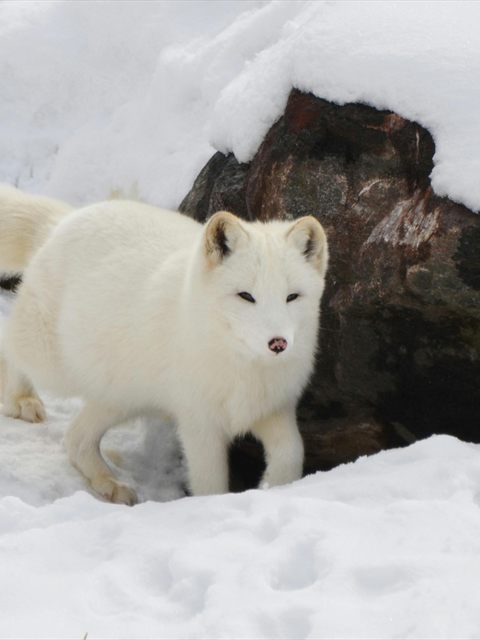
- Great Black-backed Gull, Arctic Fox, various raptors
- Defense Mechanisms
- Kittiwakes will aggressively defend their nesting sites from intruders, using vocalizations and physical displays.
- Found in Zoos
- Rare